The digital space has become one of the most powerful places where stories are told and remembered. Yet, many African stories online still pass through foreign lenses. This often leads to narrow portrayals that do not fully reflect the depth, beauty, and everyday realities of life across the continent. There is a growing need for Afrocentric digital creators who can tell these stories with honesty and cultural grounding.
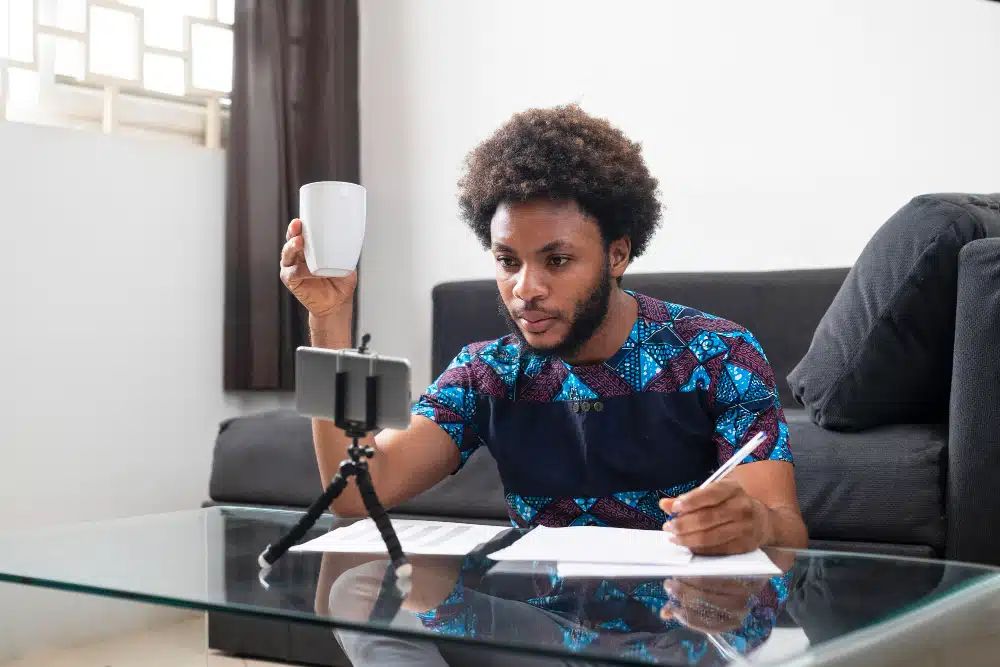
credit: techpointafrica
Why Africa Must Own Her Narrative
For a long time, African stories in global media have leaned toward a few repeated themes such as poverty, conflict, and crisis. While these realities exist, they do not define the whole experience. Afrocentric creators bring balance. They present stories of innovation, family life, language, fashion, humor, and local traditions. They speak from within, not from a distance.
Digital platforms now allow creators to share content without waiting for approval from foreign gatekeepers. This shift creates room for voices that were once overlooked. It also allows Africans to tell their own stories in their own tone, with a sense of ownership that feels true.
Culture in Its Own Voice
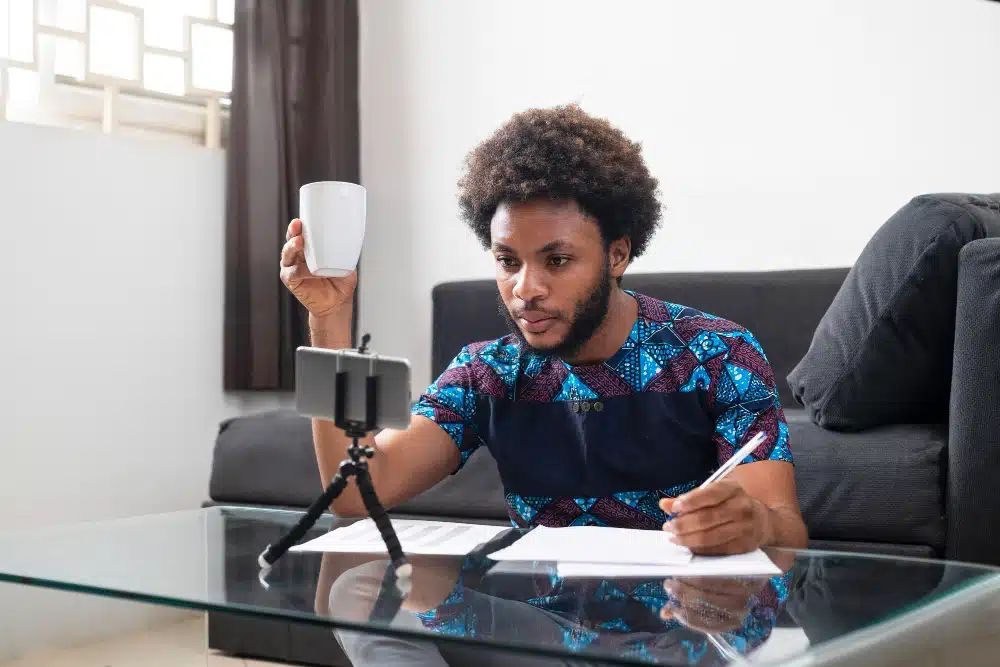
Language, proverbs, food, music, and daily routines carry meaning that cannot always be translated from the outside. Afrocentric creators understand these details because they live them. Whether through short videos, blogs, podcasts, or photography, they present culture as it is experienced, not as it is imagined.
This matters because culture shapes identity. When stories are told correctly, they build confidence, especially among young Africans who consume digital content daily. Seeing familiar experiences represented online affirms that their lives are worthy of attention.
Economic and Creative Growth
There is also an economic side to this shift. Digital creation opens paths for income through brand partnerships, content monetization, and cultural exports. When African creators gain visibility, they attract global audiences while keeping their roots intact. This supports both personal growth and broader creative industries across the continent.
A Shared Responsibility
The call for more Afrocentric creators is not only about visibility. It is about accuracy, dignity, and continuity. The stories told today will shape how future generations understand Africa.
So the question remains: if Africans do not tell their own stories in this digital age, who will, and how will those stories be remembered?