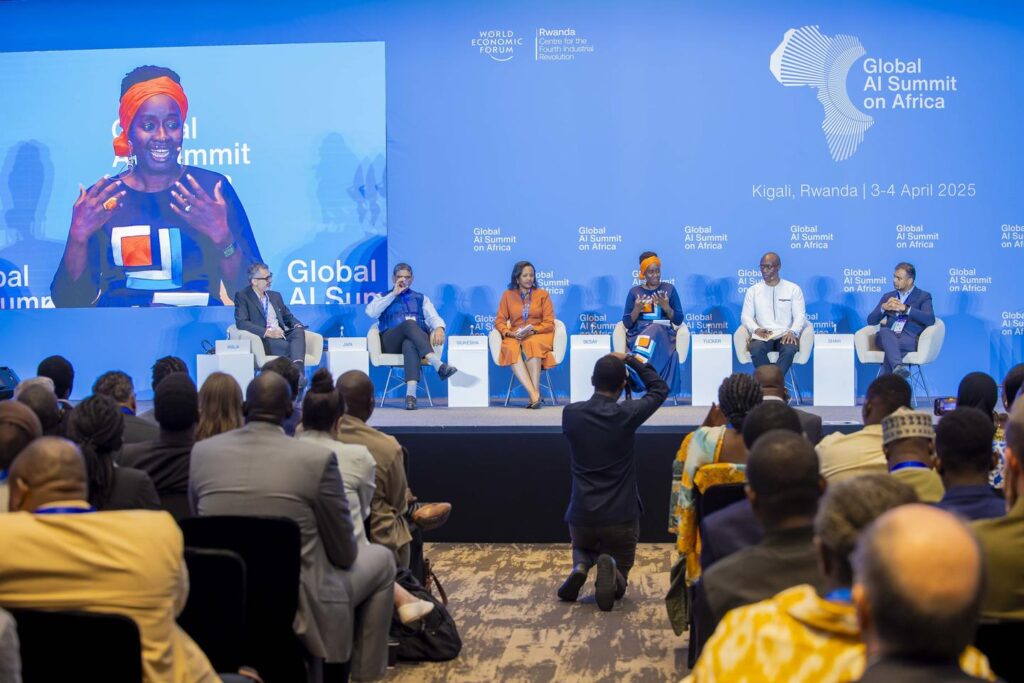
The African Union has reinforced its commitment to artificial intelligence as a driver of Africa’s socioeconomic growth following the Global AI Summit on Africa, held in Kigali, Rwanda in early April 2026. The summit brought together African leaders, technology experts, investors, and policy makers to discuss how the continent can take a more active role in the global AI space.
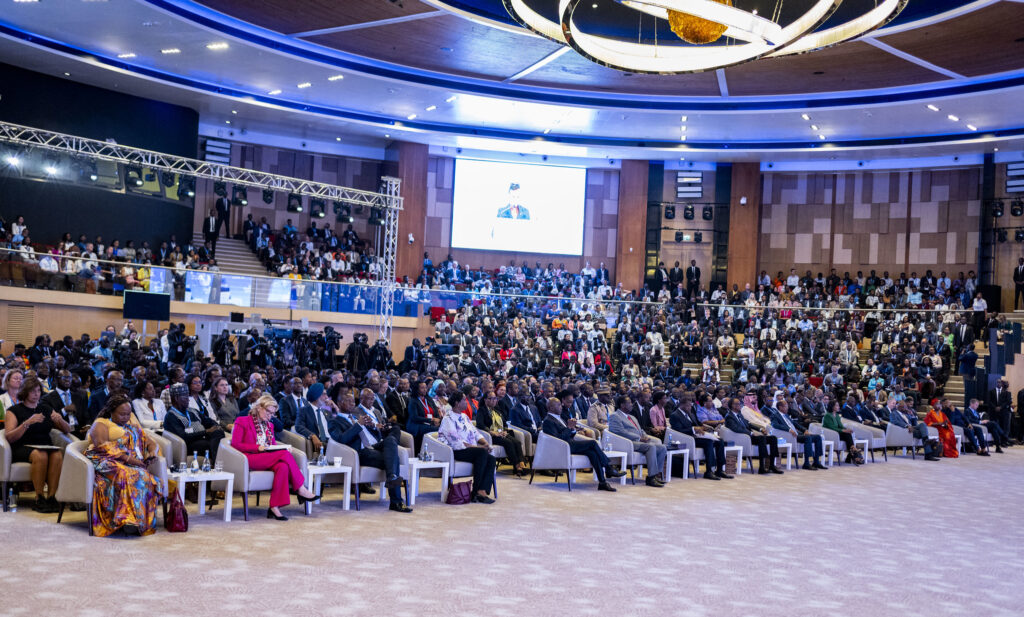
Among key figures in attendance were senior representatives of the African Union, government ministers from several African countries, and Rwanda’s president, Paul Kagame, whose administration has been vocal about digital transformation. Participants also included stakeholders from international development agencies and private technology firms, all focused on building a coordinated approach to AI development in Africa.
The central aim of the summit was clear: to move Africa from being a passive consumer of artificial intelligence tools to becoming an active producer of solutions tailored to its own realities. Discussions focused on practical steps such as investing in digital infrastructure, strengthening research institutions, and training a new generation of African AI professionals. There was also strong emphasis on data governance, with calls for policies that protect African data while allowing innovation to grow.
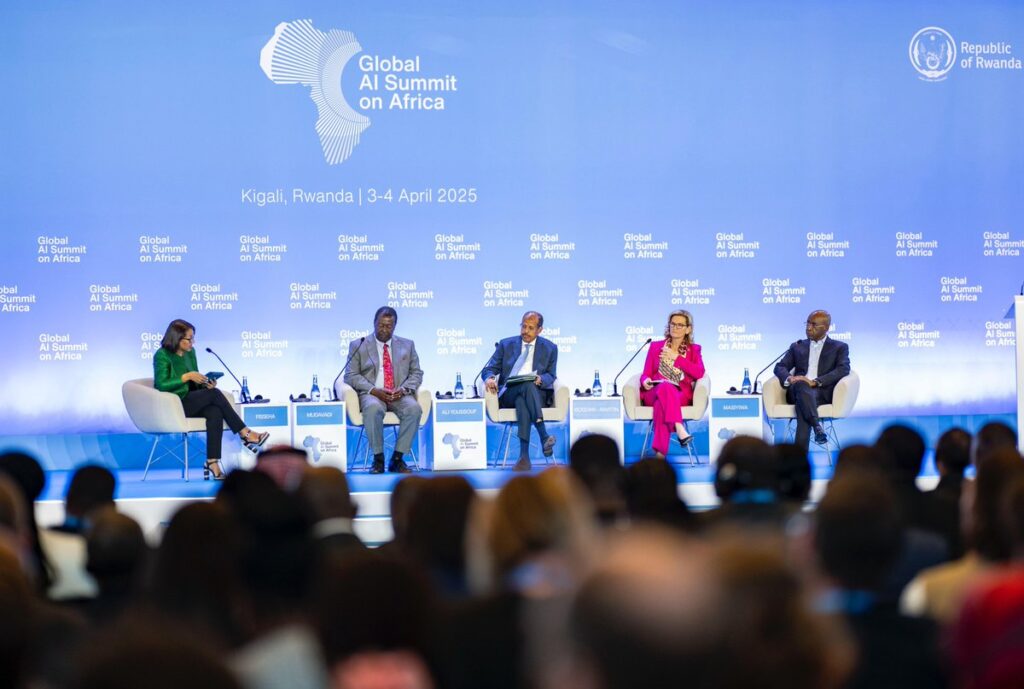
Leaders at the summit stressed that artificial intelligence holds real promise for sectors such as agriculture, healthcare, education, and public administration. From improving crop yields through predictive tools to expanding access to medical services and learning platforms, AI was presented as a means of addressing long-standing development challenges.
At the same time, concerns were raised about existing gaps. Limited infrastructure, uneven access to digital tools, and funding constraints remain major barriers. Speakers also pointed to the importance of building trust in AI systems, especially in how decisions are made and who controls the data behind them.
The outcome of the summit aligns with the broader vision of the African Union to integrate artificial intelligence into its development agenda. It signals a growing determination among African leaders to take control of the continent’s digital future and ensure that technological progress reflects local priorities rather than external interests.