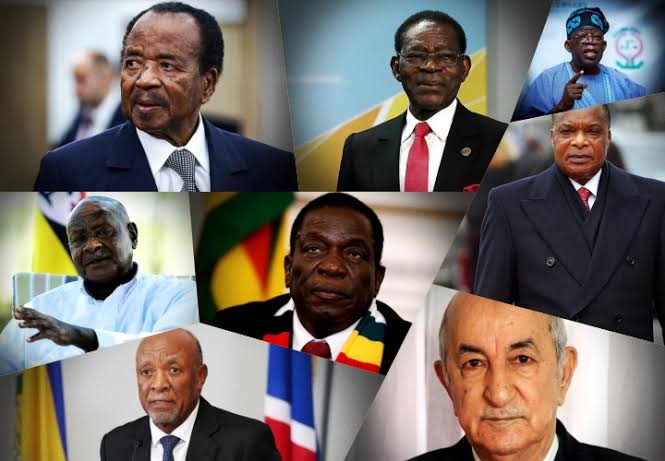
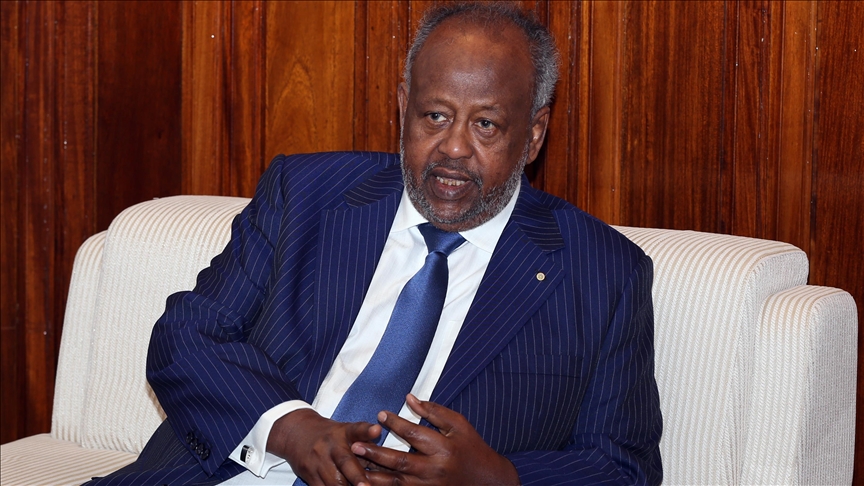
Djibouti’s long-serving president, Ismaïl Omar Guelleh, has secured a sixth term in office following a landslide election victory marked by minimal opposition. At 78, his continued hold on power has once again drawn attention to a wider pattern across parts of Africa, where political leadership often remains in the hands of septuagenarians and octogenarians.
Guelleh, who has ruled Djibouti since 1999, faced little electoral challenge, a situation that observers say reflects limited political space and weak opposition structures. His re-election continues a long trend of extended presidencies in several African states, raising fresh concerns about governance, representation, and democratic renewal.
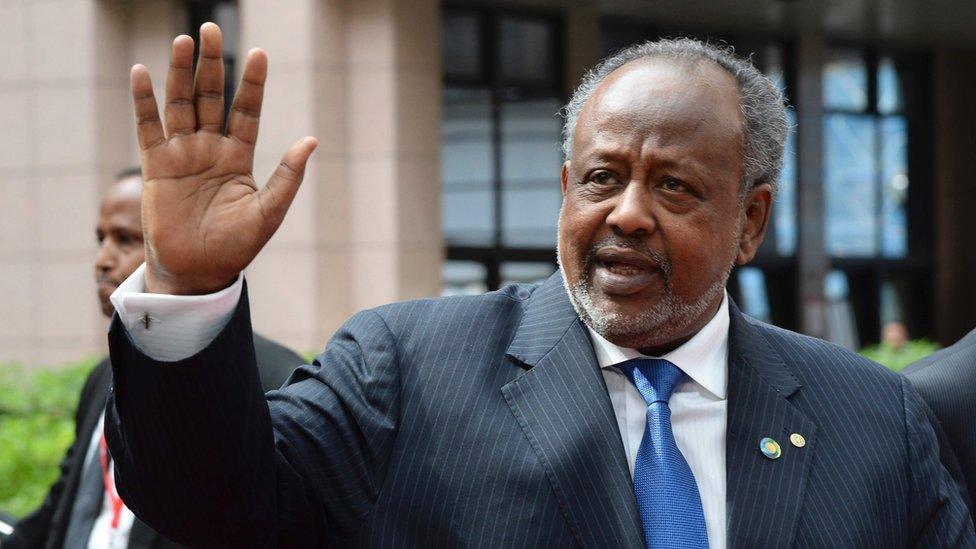
Across the continent, similar patterns are visible. In Cameroon, President Paul Biya, now in his nineties, has remained in power for over four decades. In Nigeria, while leadership has rotated more frequently, debates persist about ageing political elites dominating party structures and limiting the rise of younger leaders. In Uganda, Yoweri Museveni continues to extend his long tenure, while in Equatorial Guinea, Teodoro Obiang Nguema Mbasogo remains one of the world’s longest-serving heads of state.
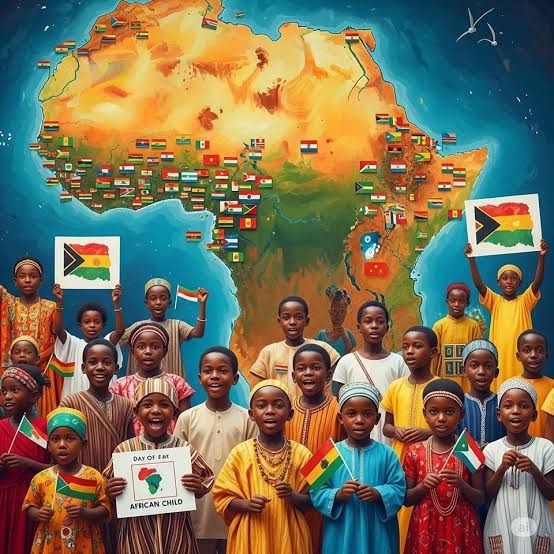
This concentration of power among older leaders raises critical questions about governance in the 21st century. Modern leadership demands agility, technological awareness, and responsiveness to a youthful population. Africa has one of the youngest populations globally, yet political leadership in many countries does not reflect this demographic reality.
The implications are far-reaching. Policies may struggle to keep pace with digital transformation, youth unemployment, and shifting global economic trends. There is also the risk of political stagnation, where long-standing administrations resist reform and suppress opposition voices, limiting democratic growth.
Moreover, extended rule often weakens institutions. Leadership becomes personalised, and succession planning remains uncertain. This can create instability when transitions eventually occur, as systems are not always strong enough to function independently of long-serving leaders.
Djibouti’s latest election therefore speaks to more than a single country’s political direction. It reflects a broader issue within parts of Africa, where the question is no longer only about experience, but about relevance in a rapidly changing world. As younger generations become more politically aware and digitally connected, pressure is likely to grow for leadership that reflects both their realities and their aspirations.