Ghana is taking another firm step toward increasing local participation in its extractive sector, with the country’s mining regulator reportedly directing international companies to transfer certain mining operations to Ghanaian contractors by December 2026.
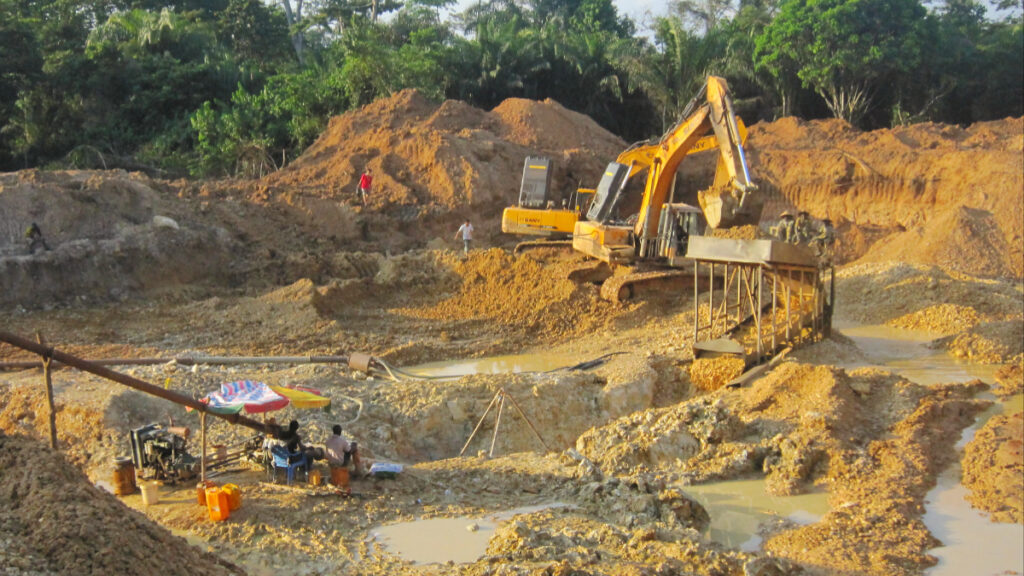
Photo credit: cedirates
The move, led by the Minerals Commission of Ghana, reflects a broader policy direction aimed at strengthening local capacity and ensuring that more value from the country’s mineral resources remains within the domestic economy. Ghana is one of Africa’s leading gold producers, and the sector plays a central role in national revenue and employment.
According to reports, the directive targets specific operational areas such as mining support services, logistics, and contract-based activities that can be handled by local firms. Authorities argue that Ghanaian companies now have the technical ability and financial backing to take on greater responsibility within the industry.
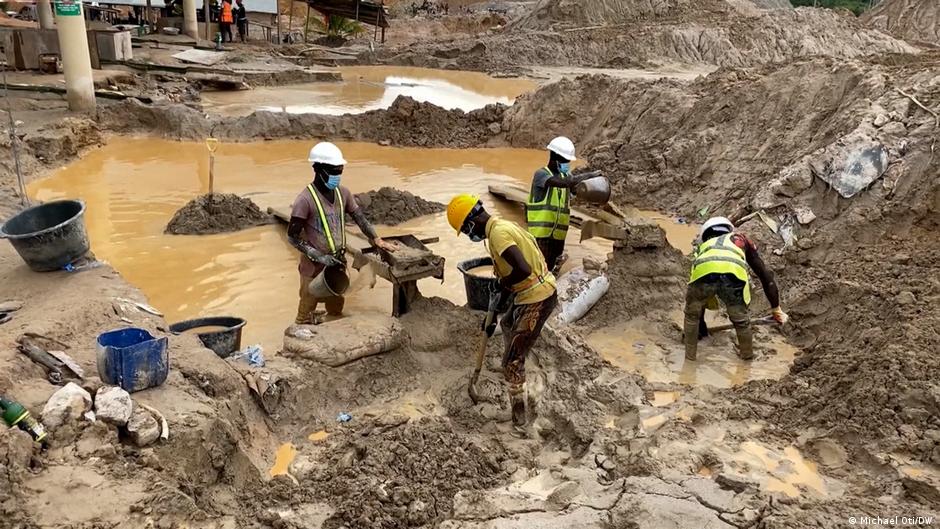
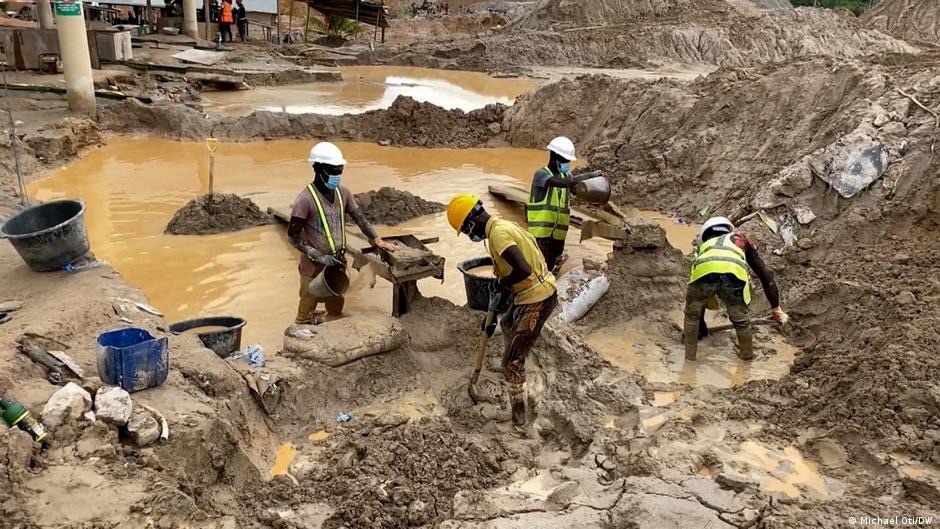
Photo credit: DW
This development comes amid increasing calls across Africa for resource-rich countries to move beyond extraction toward stronger local ownership and participation. In recent years, Ghana has introduced policies encouraging local content, including requirements for partnerships with domestic firms and investment in local skills development.
Supporters of the directive see it as a necessary shift. They argue that for decades, foreign companies have dominated large-scale mining, often limiting the growth of indigenous businesses. Expanding opportunities for local contractors, they say, will create jobs, build expertise, and retain more economic benefits within the country.
However, the policy also raises practical concerns. International mining firms may face challenges in restructuring operations within the given timeframe, especially where specialised skills or equipment are required. There are also questions about whether all local contractors are adequately prepared to handle the scale and complexity of large mining projects.
Industry analysts suggest that success will depend on how the transition is managed. Clear guidelines, access to financing, and strong regulatory oversight will be essential to ensure that the policy does not disrupt production or reduce efficiency.
The directive signals Ghana’s growing confidence in its domestic private sector and its willingness to reshape the structure of its mining industry. If implemented effectively, it could serve as a model for other African countries seeking to balance foreign investment with stronger local participation in key economic sectors.