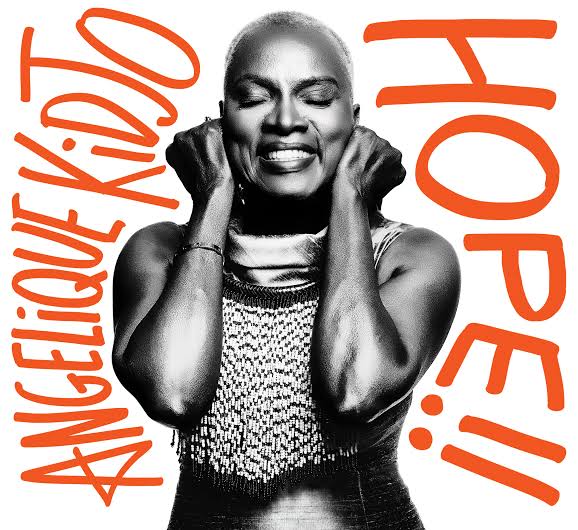
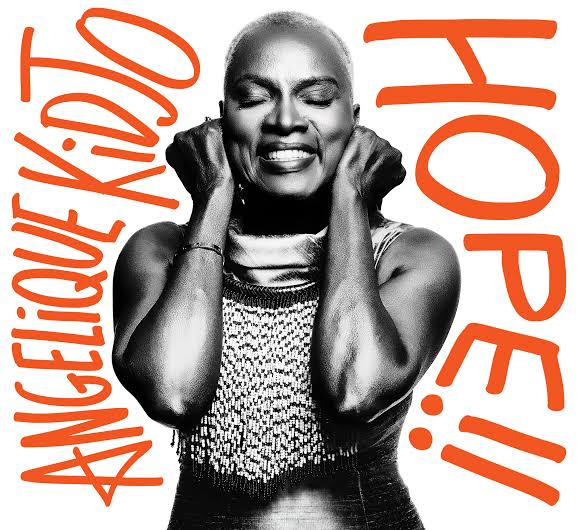
Five-time Grammy Award-winning icon Angélique Kidjo has once again affirmed her global influence with the release of her 19th studio album, Hope. The project arrives as a powerful statement from one of Africa’s most enduring musical voices, blending generations, genres, and geographies into a single body of work.
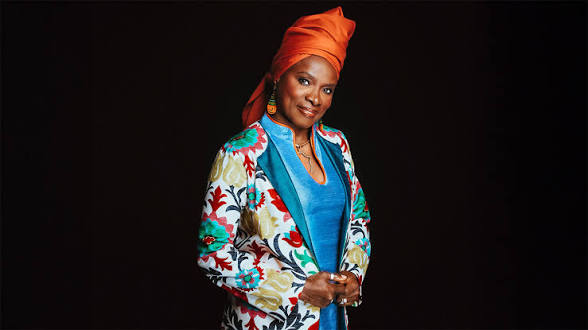
Known for a career that spans decades and continents, Kidjo continues to push artistic boundaries. With Hope, she brings together a remarkable lineup of collaborators, reflecting both her legacy and her continued relevance in today’s music scene.
The album features contributions from globally recognised artists such as Pharrell Williams, Nile Rodgers, and Quavo. It also highlights strong African representation, with Nigerian stars Davido and Ayra Starr adding contemporary Afrobeats energy to the project.
This mix of collaborators is not случайный. It reflects Kidjo’s long-standing commitment to building bridges between African music and the global soundscape. Over the years, she has worked with artists across jazz, pop, rock, and traditional African genres, and Hope continues that tradition with a modern touch.
Beyond its star power, the album carries thematic weight. As the title suggests, Hope speaks to resilience, unity, and the possibility of change in uncertain times. Kidjo has often used her music to address social issues, and this project continues in that direction, combining uplifting rhythms with meaningful messages.
For African music, the release is another reminder of the continent’s growing influence on global culture. The presence of both veteran and younger African artists on the album shows a continuity of excellence, where established figures create space for new voices.
At a time when African sounds dominate international charts, Angélique Kidjo remains a central figure, not only as a performer but also as a cultural ambassador. Hope is more than an album. It is a meeting point of generations, styles, and stories, anchored by an artist whose voice continues to carry Africa to the world stage.