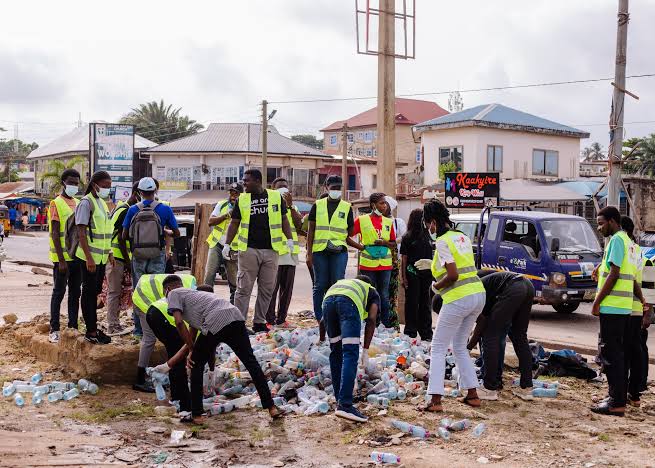
In a working-class neighbourhood of Abidjan in Côte d’Ivoire, a small group of young volunteers armed with shovels and rakes are clearing rubbish-clogged drains. Their message is simple but powerful: “Our streets are not rubbish bins.”
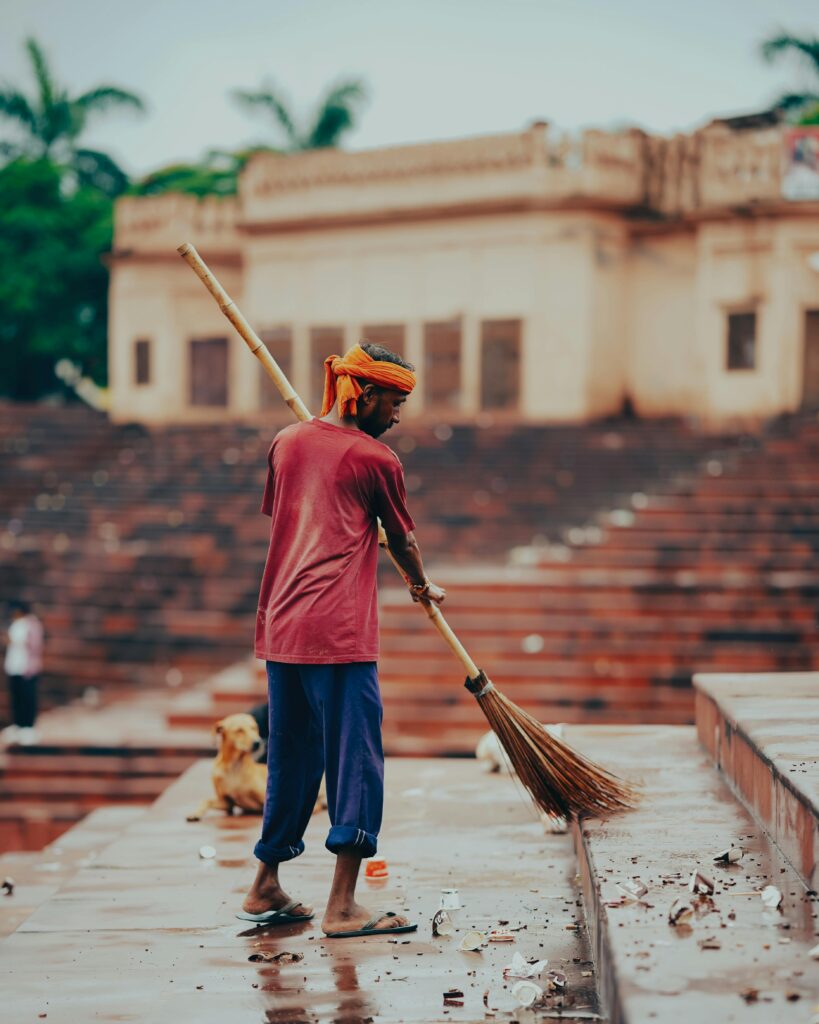
This scene is both inspiring and troubling. Inspiring because young people are stepping forward to protect their environment. Troubling because such basic sanitation should not depend on a handful of volunteers. It should be a shared responsibility.
A Growing Urban Waste Challenge
The situation in Abidjan reflects a wider African reality. Rapid urban growth has not always been matched with proper waste management systems. Large cities generate thousands of tonnes of waste daily, much of it plastic. When this waste is poorly managed, it ends up in drains, streets, and water channels.
Blocked drainage systems are not just unsightly. They increase the risk of flooding, especially during the rainy season. Stagnant water then becomes a breeding ground for disease. What begins as careless disposal quickly turns into a public health concern.
At the heart of the issue is behaviour. Many people still treat public spaces as dumping grounds, assuming that someone else will clean up. This mindset weakens every effort made by governments and environmental agencies.
Why Responsibility Must Be Collective
Africa is moving forward in many areas. Governments speak of digital growth, economic expansion, and modern cities. Yet, these ambitions lose meaning when basic environmental care is ignored. Clean surroundings are not a luxury. They are a foundation for healthy living.
Keeping the environment safe requires more than policies. It demands daily discipline from citizens. Simple actions such as proper waste disposal, reducing plastic use, and maintaining clean surroundings can prevent larger problems. Communities that take ownership of their environment often see better health outcomes and improved living conditions.
There is also an economic angle. Clean cities attract investment, tourism, and business opportunities. On the other hand, polluted environments discourage growth and place extra strain on public resources.
A Call for Everyday Action
The young volunteers in Abidjan are doing important work, but their effort should not stand alone. Their message points to a larger truth. Environmental care begins with individuals and spreads through communities.
Africa’s future depends not only on major policies but also on everyday habits. A cleaner continent is possible, but it requires a shift in thinking. If every street is treated with care, the impact will be felt far beyond one neighbourhood.
The question remains: if a few young people can take this responsibility seriously, what is stopping everyone else?