
Reuters
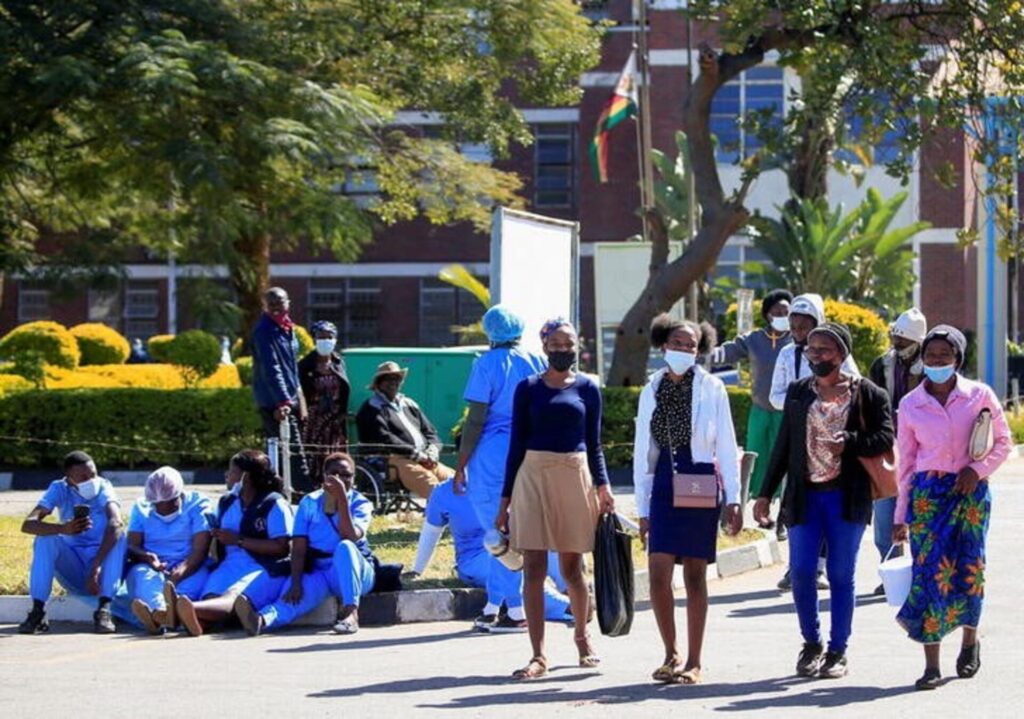
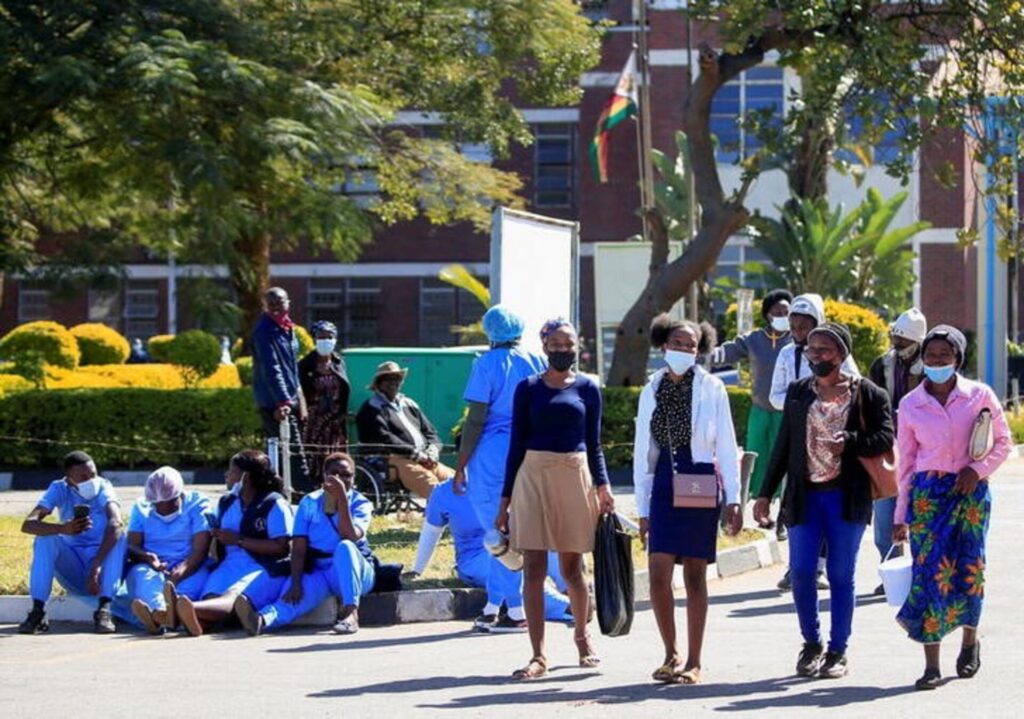
The ongoing strike by nurses in Zimbabwe is more than a labor dispute. It is a sharp reminder of how African states continue to treat essential workers as an afterthought. Led by the Zimbabwe Nurses Association, the nationwide action follows failed negotiations with the government over wages and working conditions.
At the center of the crisis is a troubling reality. Nurses report earning less than $300 a month. In response, the government proposed a $30 increase, an offer widely rejected as inadequate in the face of rising living costs. The nurses are now demanding a minimum wage of about $600, a figure they argue better reflects the demands of their profession and the economic pressures they face.
This situation raises serious questions about priorities. Healthcare workers form the backbone of any functional system, yet they are often underpaid, overworked, and overlooked. When those responsible for saving lives struggle to meet basic needs, the system itself is already under strain.
The implications extend beyond Zimbabwe. Across Africa, similar patterns persist. Workers in critical sectors, especially health and education, face poor compensation and limited support. This weakens service delivery and encourages migration, as skilled professionals seek better conditions abroad. The result is a steady loss of talent that many countries can ill afford.
There is also a deeper concern about governance. Wage disputes of this nature do not arise suddenly. They build over time through neglect, delayed reforms, and a failure to match policy with economic reality. A $30 increment in the current climate suggests a disconnect between leadership decisions and lived experience.
If Africa is serious about development, it must start with its workforce. Economic plans, infrastructure projects, and policy frameworks mean little without people who are motivated and supported to carry them out. Investing in workers is not a luxury. It is a necessity.
The strike in Zimbabwe should not be seen as disruption alone. It is a signal. A call for governments across the continent to rethink how they value labor, especially in sectors that sustain everyday life. Until that shift happens, similar crises will continue to surface, and the cost will be borne not only by workers but by society at large.