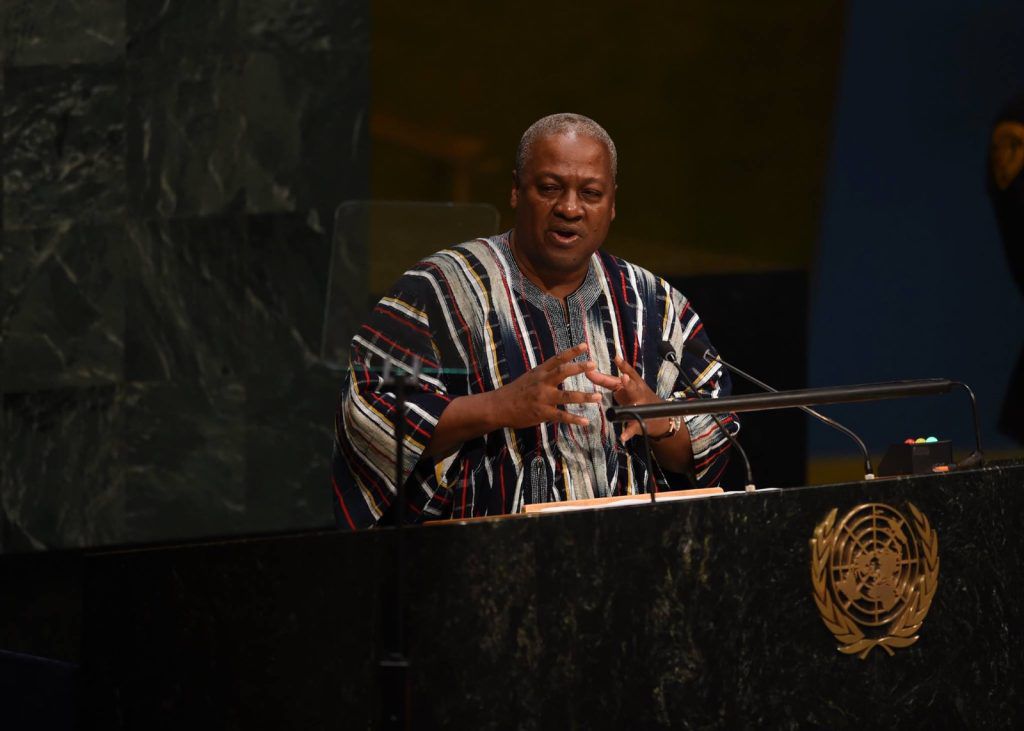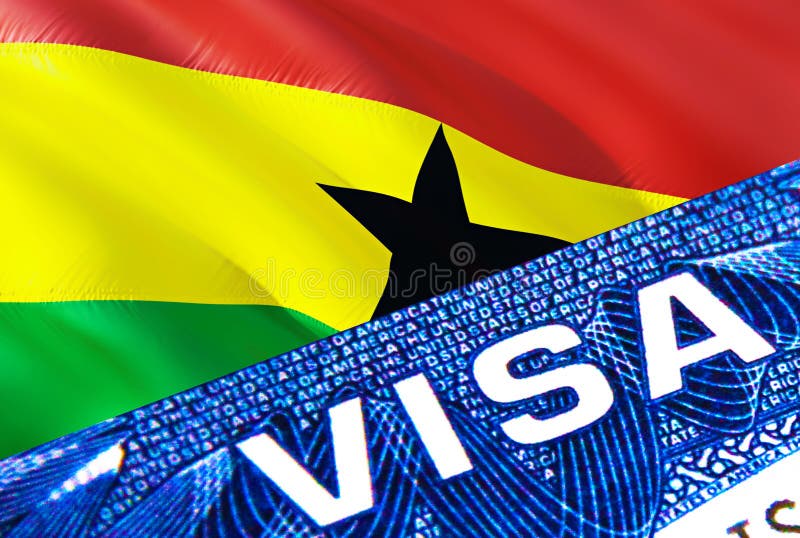
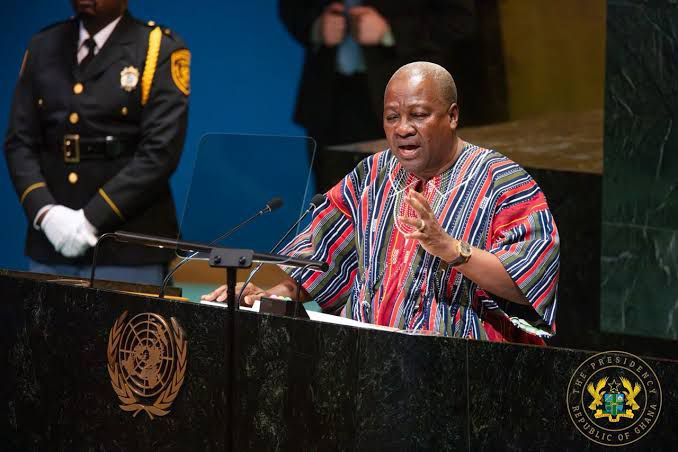
History is not only what is remembered; it is also what is resisted when truth demands accountability. Ghana’s recent appeal at the United Nations seeks formal recognition of the transatlantic slave trade as the most devastating crime in human history, a claim grounded in both scale and enduring impact.
Under President Nana Akufo-Addo, this position carries weight beyond diplomacy. It raises a difficult question about how to assess suffering that was systematic, racialized, and sustained across centuries. More than twelve million Africans were forcibly transported across the Atlantic, their labor forming the economic base of European expansion. The effects did not end with abolition. They remain visible in global inequality, racial hierarchy, and the constrained position of many African nations within international systems.
Responses from European states such as United Kingdom and France reveal unease. Reparations are frequently dismissed as impractical, with emphasis placed instead on development aid. Such a stance reframes obligation as voluntary assistance rather than historical responsibility.
What is at stake extends beyond naming the past. Recognition at this level would require a reconsideration of how wealth, power, and historical memory are connected. The resistance that follows suggests that the debate is not only about history, but about the consequences that acknowledgment would demand.
What are your thoughts on the transatlantic slave trade?