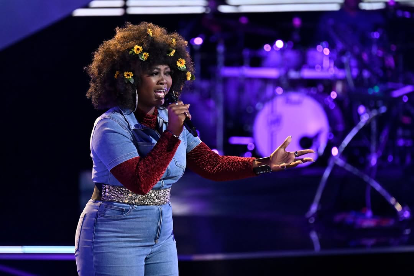
In a defining moment for music television and representation, Alexia Jayy has made history as the first Black woman to win The Voice in its 15-year run. The 31-year-old Alabama native secured victory on April 14, 2026, during the grand finale of Season 29, marking a breakthrough that many see as long overdue.
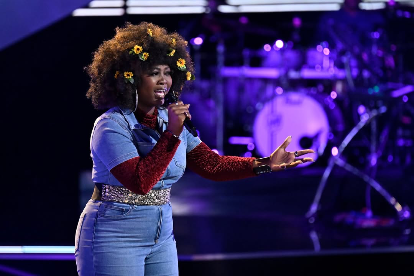
Competing as part of Team Adam, under coach Adam Levine, Jayy stood out throughout the competition with powerful and emotionally rich performances. From her blind audition, where she earned chair turns from all coaches, to her final renditions that sealed her win, her journey was marked by consistency and vocal excellence.
Her victory carries deep symbolic weight. For over a decade, The Voice has celebrated diverse talent, yet no Black woman had claimed the top prize until now. Jayy’s win therefore represents not only personal success but also a broader moment of recognition within the entertainment industry. It challenges long-standing gaps in representation and opens the door for future talents who may have once felt overlooked.

Before stepping into the spotlight as a solo artist, Jayy had worked behind the scenes as a backing vocalist, a path many talented singers take without ever reaching mainstream recognition. Her transition from supporting voice to headline act reflects both perseverance and the unpredictable nature of artistic success.
Her career trajectory had already begun to gain momentum even before the show. She released music independently and built her craft over time. During the competition, she further elevated her profile, including a notable performance moment linked to major industry figures such as Lauryn Hill and Leon Bridges, signalling her growing acceptance within top musical circles.
With her win, Jayy receives not only a cash prize but also a recording contract, now linked to Republic Records, positioning her firmly within the global music industry.
Beyond the accolades, her victory speaks to a wider cultural shift. Audiences are increasingly drawn to authenticity, depth, and lived experience, qualities that Jayy brought to every performance. Her success reflects changing tastes and a growing willingness to embrace voices that tell real stories.
As she steps into this new chapter, the significance of her win will likely extend far beyond the stage. It raises an important question for the industry: if it took 15 years for this milestone to be reached, what other barriers still remain, and who will be next to break them?