Zambia’s Ruling Party Endorses Hichilema Unopposed Ahead of August Election
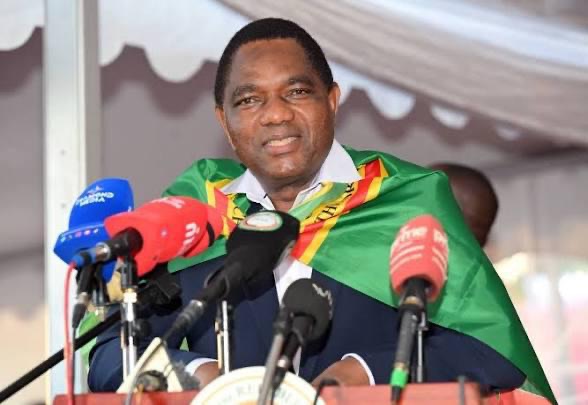
Zambia’s governing party, the United Party for National Development (UPND), has endorsed incumbent president Hakainde Hichilema as its presidential candidate for the August 13, 2026 election. The endorsement came during the party’s recent convention, where Hichilema was nominated unopposed, with no internal challenger stepping forward.
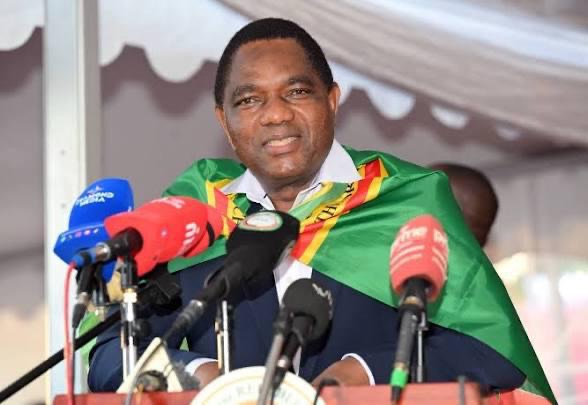
Hichilema, who has been in office since 2021, now heads into the election cycle with full backing from his party, a move that signals internal unity but also raises questions about internal democratic processes within ruling parties.
The absence of competition within the UPND may be interpreted in different ways. On one hand, it can suggest strong confidence in Hichilema’s leadership and performance since taking office. Party members may see continuity as important for maintaining policy direction and economic reforms already underway.
On the other hand, a lack of internal contest can point to limited space for dissenting voices or alternative ideas within the party. Healthy political systems often depend not only on competition between parties but also on debate within them. When leadership positions go uncontested, it may reduce opportunities for renewal, fresh perspectives, and accountability.
In many African political contexts, ruling parties tend to consolidate around incumbents, especially when they control state power and party structures. This pattern is not unique to Zambia, but it continues to attract attention, particularly among observers who advocate for stronger democratic culture within political institutions.
The broader implication is that internal party democracy plays a key role in shaping national leadership outcomes. When parties allow open contest, they build systems that can outlast individual leaders. When they do not, leadership can become centered on personalities rather than institutions.
As Zambia prepares for the August 13 vote, the focus will not only be on the outcome at the national level but also on how political parties manage participation, competition, and leadership selection within their own ranks.
A Question Worth Asking
When a ruling party presents a single, unchallenged candidate, does it reflect unity and confidence, or does it point to a deeper need for internal political reform?