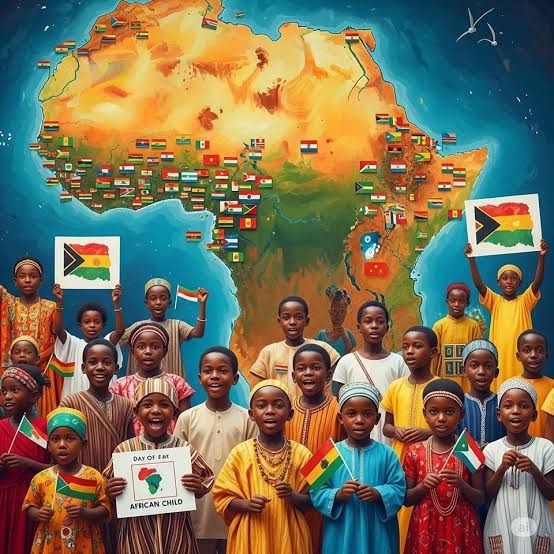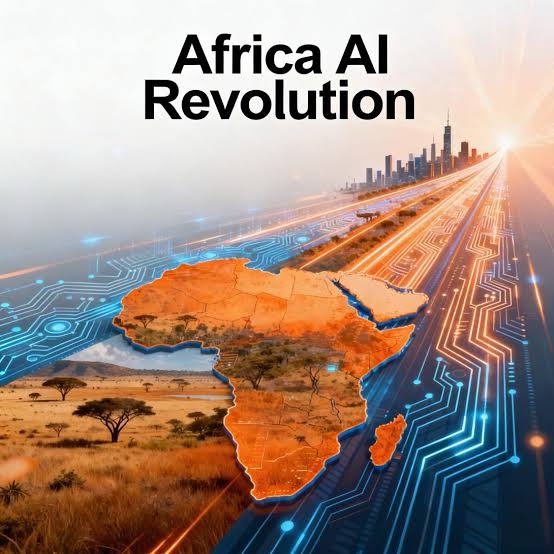

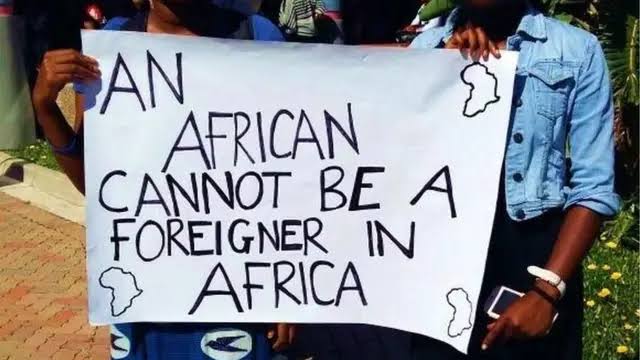
Africa’s call for unity often meets a harsh test when Africans turn against fellow Africans. As harsh as the reality maybe, an African can not be a foreigner in an African soil.
A History of Expulsions
In 1969, Ghana under Kofi Abrefa Busia expelled many West African migrants. Nigeria responded in 1983 when President Shehu Shagari ordered over a million migrants, largely Ghanaians, to leave. “Ghana Must Go” became a symbol of forced departure. These actions show a repeating pattern rather than isolated events.

Recent Strains in South Africa
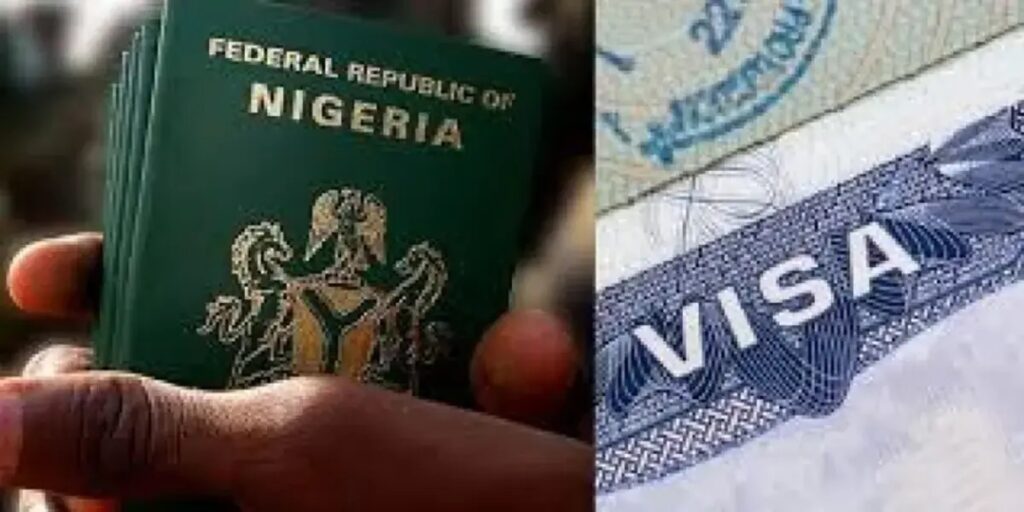
In South Africa, tensions have taken new forms. Reports in 2026 show migrants, including Ghanaians and Nigerians, facing harassment and threats, prompting diplomatic concern between states.
Anti-migrant groups have also blocked access to public services. In 2025, some clinics in Gauteng and KwaZulu-Natal were physically shut to foreign patients, including pregnant women and children.
Political rhetoric has deepened suspicion. Ahead of elections, migrants are often blamed for unemployment and crime, increasing the risk of violence and displacement.
Social tensions now extend beyond the streets. Even cultural spaces have not been spared, as seen in public backlash against individuals of foreign descent in national events. These incidents reveal how identity, citizenship, and belonging remain unsettled questions.
Limits of Regional Bodies
The African Union and Economic Community of West African States promote free movement, yet enforcement is weak. Agreements exist, but states act independently when pressure rises.
The Way Forward
Economic stability, fair migration laws, and public education are essential. Regional bodies must move beyond declarations and ensure compliance. Unity will remain fragile if everyday realities continue to contradict shared ideals.