“No one is born hating another person because of the color of his skin, or his background, or his religion.” — Nelson Mandela
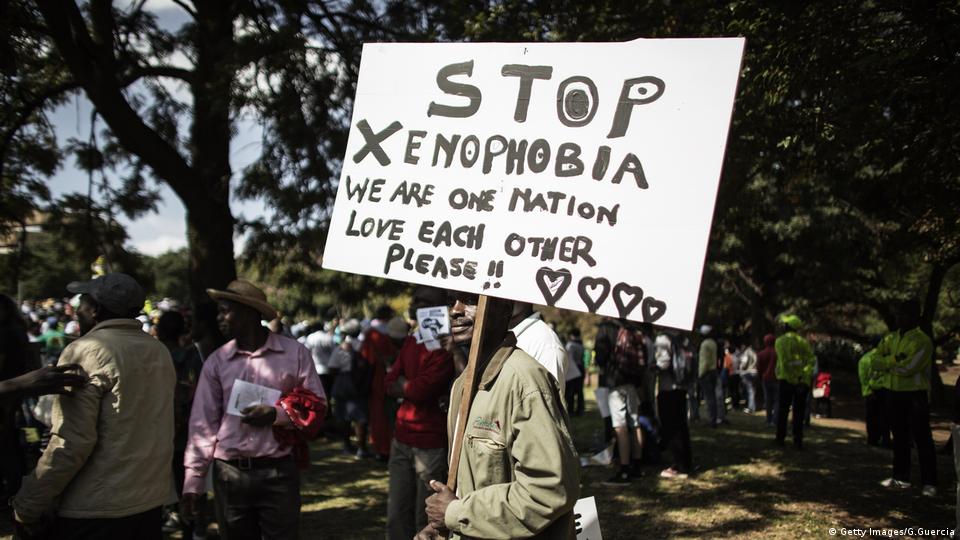
In April 2026, dozens of civil society groups and activists took to the streets of Johannesburg in a march against xenophobia, calling for dignity, equality, and justice for all. The protest followed months of anti-immigrant demonstrations, raids, and hostile rhetoric directed at foreign nationals living in South Africa.
Participants at the “March for Dignity” insisted that migrants continue to face discrimination, harassment, and exclusion, with many blaming them for economic hardship and unemployment. Placards carried messages such as “No person is illegal” and “Blaming migrants is not the answer,” reflecting a deeper frustration with how migrants are treated within African borders.

Yet, this moment raises a more uncomfortable question. Should xenophobia still be a dominant issue in Africa today?
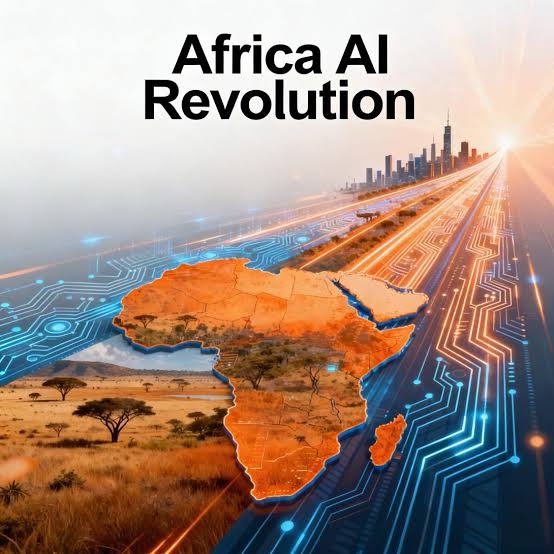
Africa in the 21st century is speaking the language of progress. Governments and institutions across the continent are investing in digital transformation, artificial intelligence, regional trade through the African Continental Free Trade Area, and cross-border cooperation. The vision is clear. A connected, economically strong, and politically stable Africa.
Against this backdrop, xenophobia feels like a contradiction. It disrupts the very idea of African unity. It weakens trust among nations that are meant to collaborate. It sends the wrong message to investors, innovators, and young Africans who are looking beyond borders for opportunities.
History also reminds us that this is not new. South Africa has experienced repeated waves of xenophobic violence, notably in 2008, 2015, and 2019, where migrants were attacked, displaced, and in some cases killed. What is troubling is not just the recurrence, but the persistence of the mindset behind it.
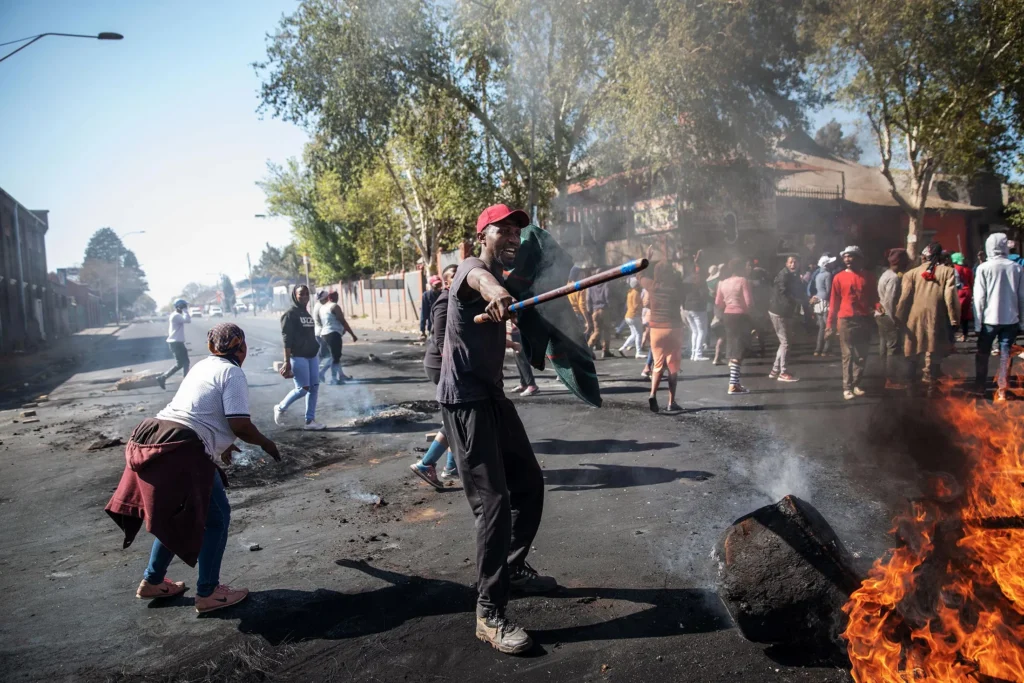
Some analysts argue that xenophobia often masks deeper structural problems. Issues such as unemployment, inequality, weak public services, and governance failures create frustration, and migrants become easy targets. In this sense, the problem is less about foreigners and more about unresolved internal challenges.
There is also a moral question. Africa’s history is rooted in shared struggle, migration, and solidarity. From the fight against colonialism to the support given to liberation movements, African countries have long depended on one another. Turning against fellow Africans now undermines that legacy.
More importantly, it limits the continent’s future. A divided Africa cannot compete effectively in a global system that rewards unity, innovation, and collaboration. If borders become walls of suspicion rather than bridges of opportunity, then progress slows.
The Johannesburg march is therefore more than a protest. It is a reminder. Africa must decide what kind of future it wants. One defined by fear and exclusion, or one guided by unity and shared growth.
If Africa is truly moving forward, then why is xenophobia still part of its present reality?