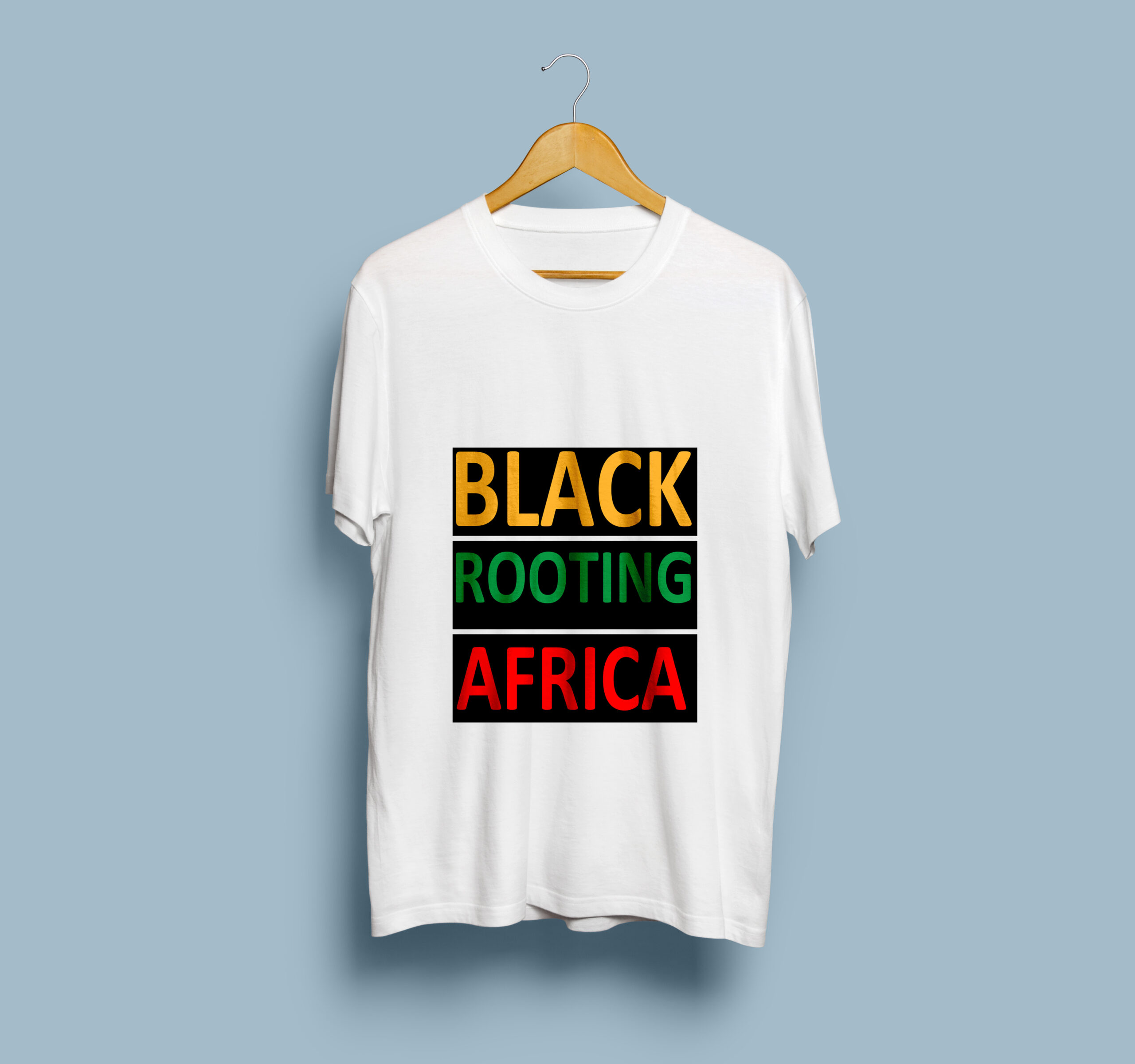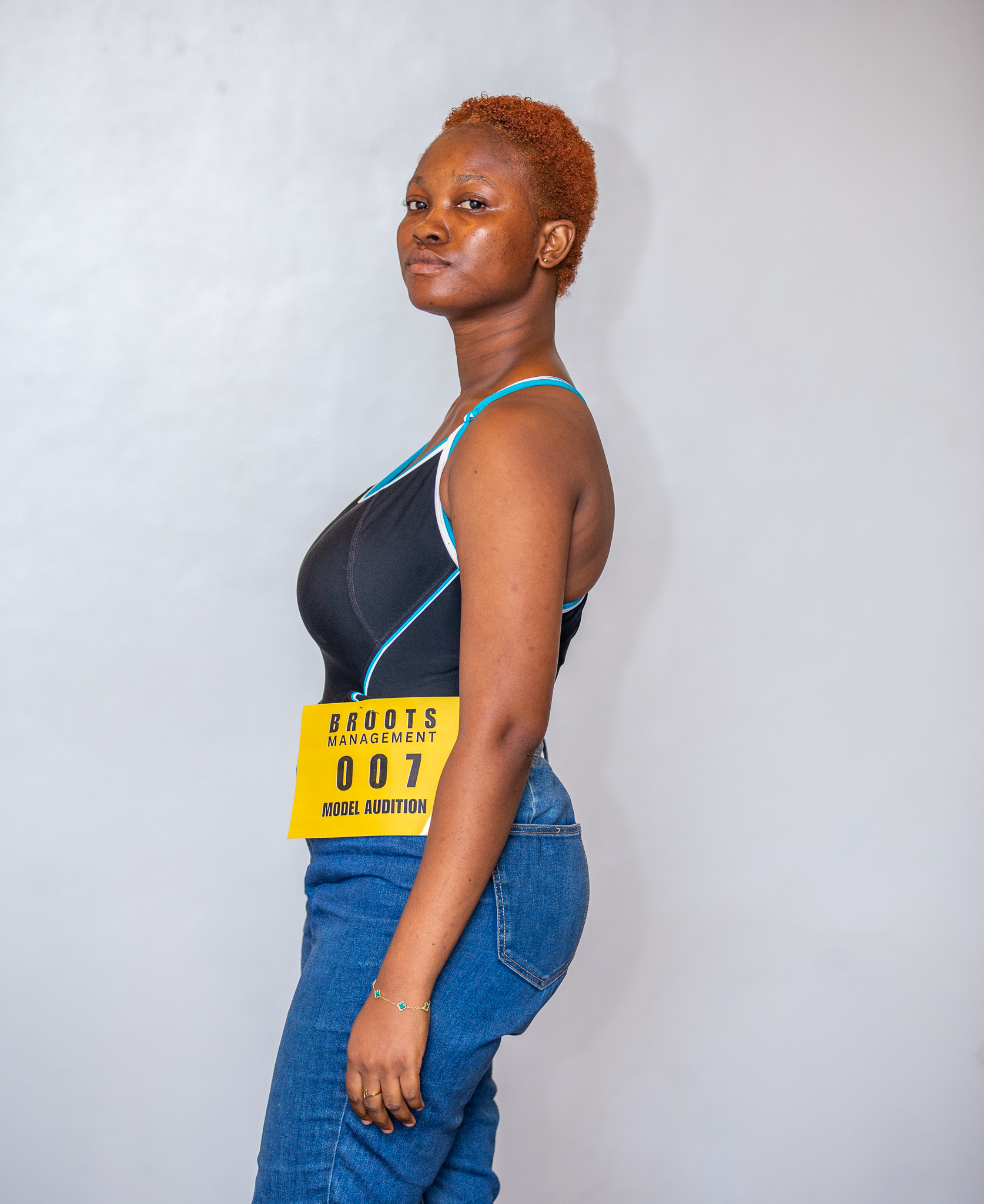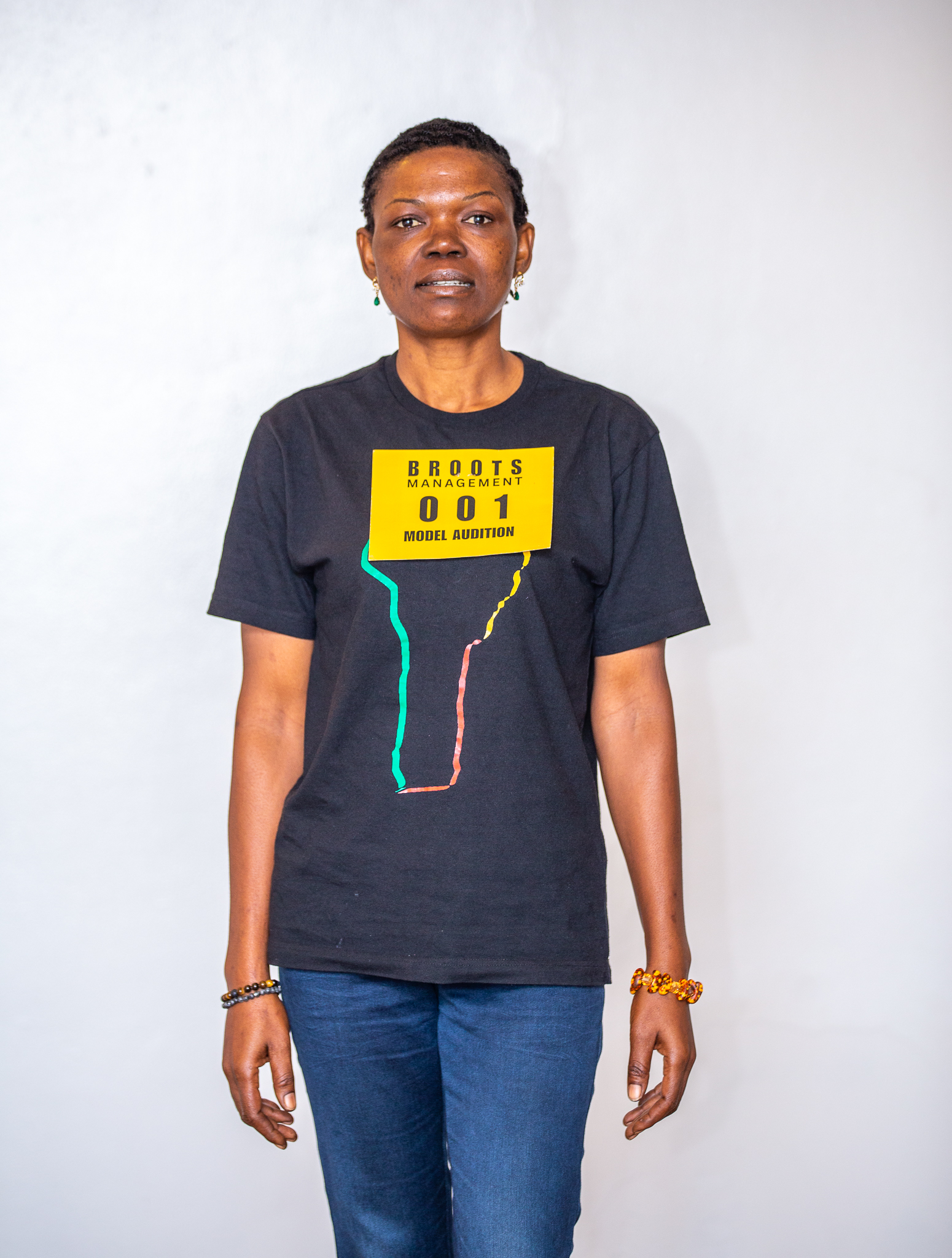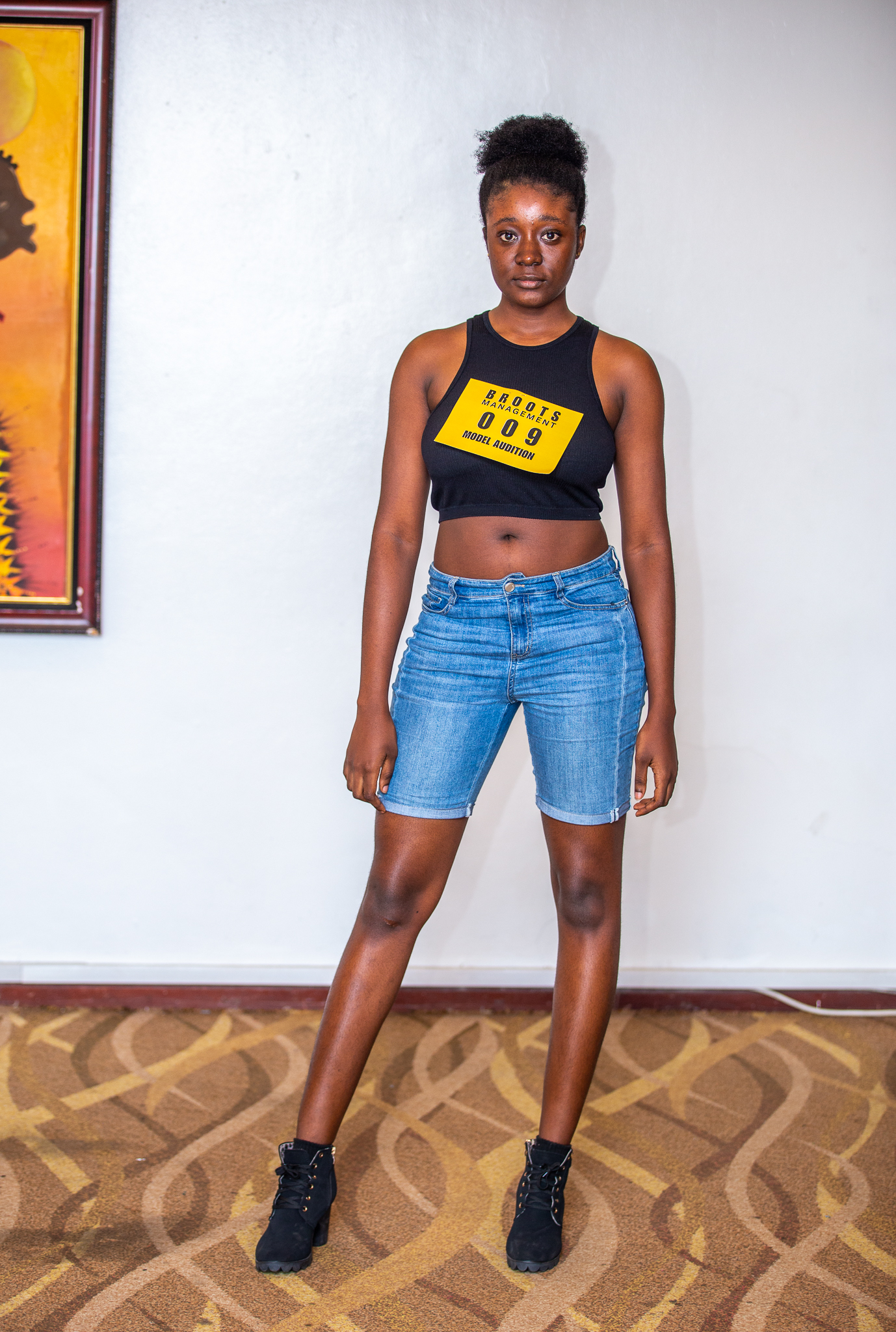

There is something troubling about a world that teaches people to be uncomfortable in their own skin. Across many African societies today, a quiet but powerful message keeps circulating: lighter is better. It appears in advertisements, in movies, in social media filters, and in the growing market for skin bleaching products. Over time, this message settles into the mind and begins to sound like truth. But it is not.
The devaluation of black skin did not begin here. It grew out of a long history of Western dominance that placed European features at the center and pushed African identity to the margins. That legacy still lingers, influencing how beauty is defined and consumed. The result is a growing dependence on bleaching creams and whitening products that promise acceptance but often damage both skin and self-worth.
Embrace you Black Skin
Black skin is not a problem that needs fixing. It is not a mistake. It is not something to be edited, corrected, or replaced. It is history, identity, and inheritance carried on the body. To treat it as inferior is to accept a narrative that did not begin here.
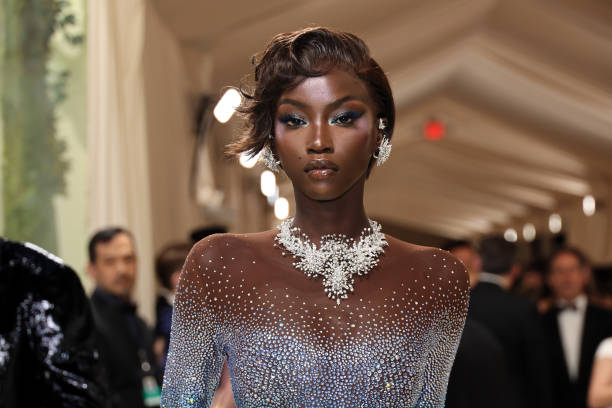
Black skin is not a flaw. It carries memory, culture, and pride. The Senegalese poet Léopold Sédar Senghor reminds us that “black is the color of all days,” a line that affirms fullness rather than lack. To reject this truth is to accept a borrowed idea that was never designed to honor African bodies.
Bleaching is not merely cosmetic. It signals a deeper struggle with identity, one that benefits industries built on insecurity. Yet African beauty has always existed in many shades, each one complete in itself.
“Don’t change your black skin tones; they aren’t ringtones.” Skin is not a trend to adjust. It is part of who you are.
So one must ask: Who taught us to doubt our own skin? Why should acceptance come at the cost of self-erasure? And what would it mean to truly see blackness as enough?