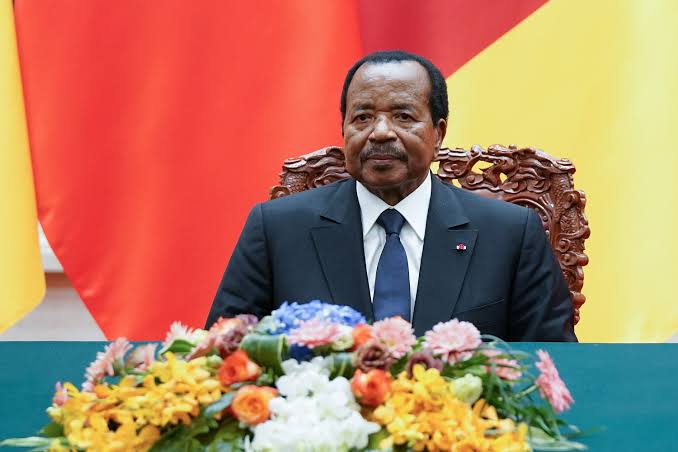
Cameroon has reintroduced the position of vice president after President Paul Biya signed a new bill into law on Tuesday. The move marks a significant adjustment to the country’s government structure and has already drawn attention from political observers across the continent.
The restoration of the vice presidency is seen as part of broader institutional changes within Cameroon. The role, which had previously been absent from the current political framework, is expected to support executive functions and provide a clearer line of succession within government.
Details about how the position will operate, including the scope of its powers and the method of selection, are expected to emerge as implementation begins. Analysts note that such a role could help improve coordination within the executive branch, especially in a system where responsibilities are often concentrated at the top.
At the same time, the development has sparked discussion about timing and political intent. Paul Biya, who has been in power since 1982, is one of Africa’s longest-serving leaders. The reintroduction of a vice president is therefore being viewed in relation to questions about succession planning and continuity of governance.
Supporters of the move argue that it strengthens institutional stability by ensuring that leadership transition is more clearly defined. In situations where there is uncertainty at the top, a vice president can provide immediate continuity and reduce the risk of political vacuum.
Critics, however, suggest that structural changes alone may not address deeper concerns about political openness and leadership renewal. They point out that institutions are most effective when they are supported by transparent processes and broad participation.
The return of the vice presidency places Cameroon among African countries that maintain a defined second-in-command within the executive. Its impact will depend largely on how the role is implemented and whether it contributes to stronger governance practices.
As the country moves forward with this change, attention will remain on how it affects political balance, succession planning, and public confidence in leadership.