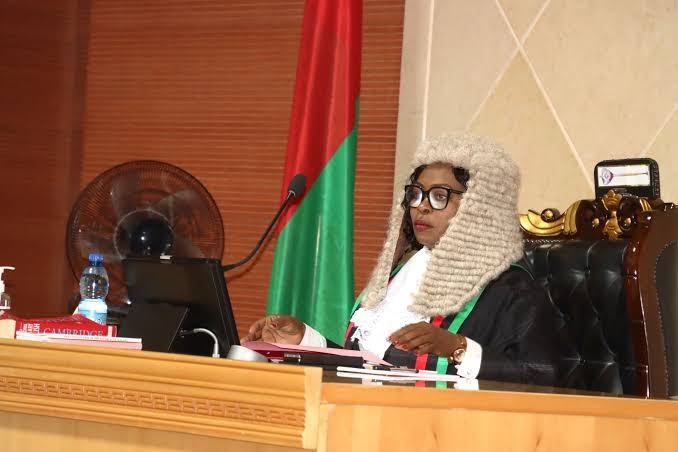
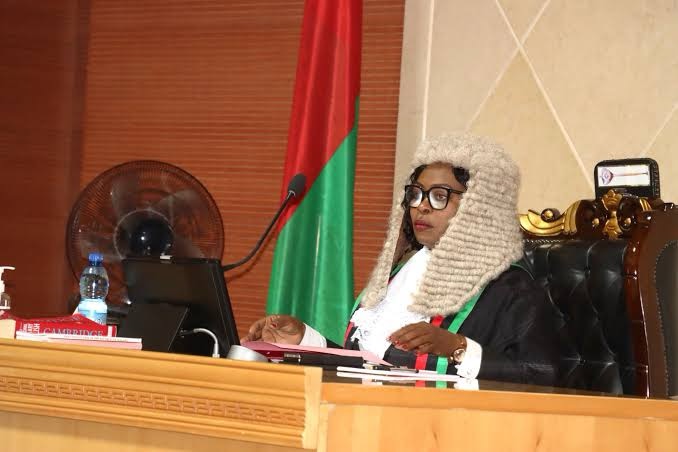
Gender activists in Malawi are intensifying calls for legal reforms that would require political parties to field female candidates in all constituencies. The proposal comes amid continued concern over the low number of women in political office, despite years of advocacy and policy discussions on inclusion.
Campaigners argue that voluntary commitments by political parties have not produced meaningful change. Women remain underrepresented in parliament and other decision-making spaces, a situation many attribute to structural barriers such as limited access to funding, cultural expectations, and party nomination practices that often favour male candidates.
At the centre of the current push is the idea of a mandatory quota system. Activists believe that requiring parties to present female candidates across constituencies would create a more level playing field and accelerate progress toward gender balance. Without such measures, they argue, representation is likely to remain uneven for years to come.
Supporters of the proposal point to examples from other African countries where gender quotas have led to increased female participation in politics. They maintain that legal backing is essential to move beyond symbolic commitments and ensure real inclusion.
However, the proposal is not without debate. Critics question whether mandatory quotas could interfere with party autonomy or lead to tokenism if not properly implemented. Others argue that deeper social and economic issues must be addressed alongside legal reforms to achieve lasting change.
The discussion also reflects broader questions about democracy and representation. A political system that does not reflect the diversity of its population risks overlooking key perspectives in policymaking. In Malawi, where women make up a significant portion of the population, their limited presence in leadership positions continues to raise concerns about fairness and equity.
As the country looks ahead to future elections, pressure is mounting on lawmakers and political parties to respond. The debate over quotas is likely to remain central, not only as a legal issue but as a test of Malawi’s commitment to inclusive governance.
The question now is whether Malawi will adopt stronger measures to address gender imbalance, or continue to rely on gradual change that has so far delivered limited results.