
Credit: thisdaylive
Nigeria Introduces 30-Day Visa-Free Entry for Rwandan Citizens
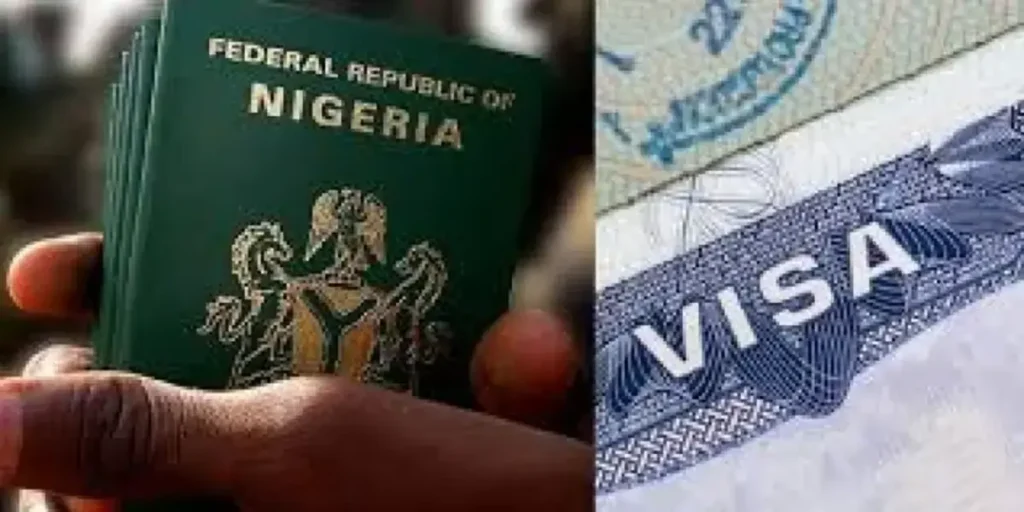
Nigeria has announced a new 30-day visa-free entry policy for citizens of Rwanda, signalling deeper diplomatic and economic cooperation between the two African nations.
The move is part of broader efforts to strengthen regional integration, improve mobility across the continent, and expand partnerships in trade, investment, tourism, and technology. Officials from both countries have increasingly emphasised the importance of closer African collaboration at a time when the continent is pushing for stronger internal economic connections.
Under the arrangement, Rwandan citizens will be able to enter Nigeria without a traditional visa for short stays of up to 30 days. Observers see the policy as another step toward easing travel barriers that have historically limited movement between African countries.
A Growing Push for African Mobility
For decades, Africans have often found it easier to travel to parts of Europe or North America than to neighbouring African countries due to restrictive visa systems, expensive travel processes, and bureaucratic hurdles.
Policies such as this are therefore being viewed as part of a larger continental shift. The African Union and supporters of the African Continental Free Trade Area have repeatedly argued that freer movement is essential for economic growth, innovation, and stronger cultural exchange within Africa.
Rwanda has already gained attention in recent years for adopting relatively open visa policies toward African travellers. Nigeria’s latest move suggests increasing recognition that intra-African mobility could play a major role in boosting business and tourism.
Economic and Diplomatic Significance
The relationship between Nigeria and Rwanda has expanded steadily in areas such as aviation, digital innovation, education, and finance. Easier travel is expected to support entrepreneurs, investors, students, and professionals seeking opportunities between both countries.
The development also carries symbolic importance. At a time when many African economies are searching for ways to reduce dependency on external markets, stronger cooperation among African states is increasingly viewed as necessary.
Challenges Remain
Despite the positive response, analysts note that broader African travel challenges still exist. Air travel within the continent remains expensive, and many countries continue to maintain restrictive entry policies toward fellow Africans.
For advocates of Pan-African integration, the Nigeria-Rwanda arrangement represents progress, but also a reminder that much work remains if Africa truly intends to create a more connected continent.
Still, the policy sends a strong message: African countries are beginning to recognise that partnership and mobility within the continent may be just as important as relationships beyond it.