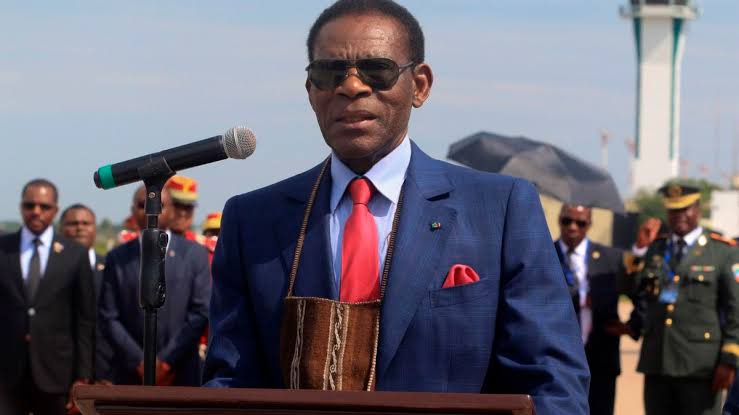
Equatorial Guinea has drawn rare continental attention after reports that its government resigned following a poor performance evaluation. According to official statements, the administration was found to have met only a small fraction of its stated targets, prompting what authorities described as a decision grounded in accountability and results-based governance.
While full details of the assessment have not been made public, officials linked the move to concerns over corruption, weak economic diversification, and limited progress on national development goals. The decision has sparked debate across Africa, not only because of its political significance but also because of what it might suggest about governance standards on the continent.
At face value, the development appears unusual. In most political systems across Africa, governments rarely resign solely on the basis of performance assessments. Instead, they typically remain in office until elections, party decisions, or constitutional limits dictate otherwise. This makes the Equatorial Guinea case stand out, whether as a symbolic gesture or a genuine attempt to reset governance expectations.
For many observers, the key question is not what happened in Equatorial Guinea, but what it means elsewhere.
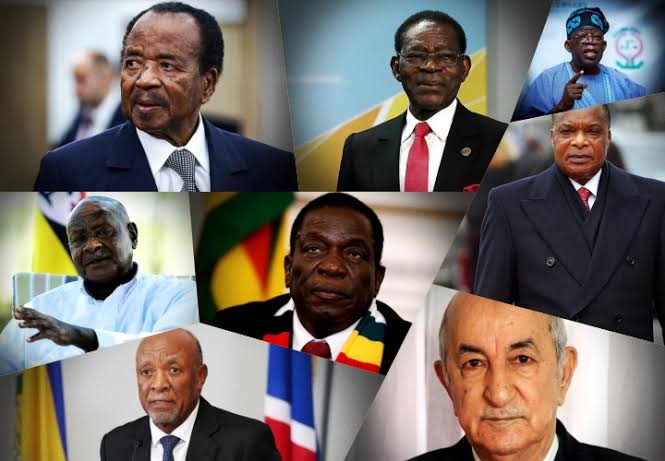
Across the continent, several countries continue to face persistent governance challenges. Issues such as unemployment, inflation, corruption allegations, infrastructure deficits, and uneven public service delivery remain central to public debate in countries like Nigeria, Zimbabwe, Cameroon, and Uganda. Yet political accountability does not always translate into leadership change, even when dissatisfaction is widely expressed.
This contrast raises a broader concern. If performance could be used more directly as a basis for political continuity, how would governance look different across Africa? Would more governments face restructuring? Would leadership become more responsive to measurable outcomes rather than electoral cycles alone?
It is also important to approach the Equatorial Guinea situation with caution. Without full transparency around the evaluation process, it is difficult to determine how objective or institutionalised the assessment was. Questions remain about whether such a model can be replicated fairly in other political contexts, or whether it risks becoming another form of top-down political control.
Still, the symbolism is powerful.
It suggests a shift, however limited, toward the idea that governance should be judged by delivery rather than rhetoric. For citizens across Africa, where frustration with unmet promises is common, the idea of consequences for underperformance resonates strongly.
Whether Equatorial Guinea’s decision marks a genuine turning point or remains an isolated case, it has already opened a wider conversation. It challenges African political systems to confront a difficult question: should failure in public office carry clearer and more immediate consequences?
For now, the rest of the continent watches closely. Not because Equatorial Guinea has solved the problem of accountability, but because it has placed it back at the centre of political discussion.