One of the puzzles of African politics is how governments can fail so visibly and yet sit comfortably and even seek re-election to continue the failures. Imagine if every African government were judged strictly by the promises it made and the results it delivered. How many would still be in office today?
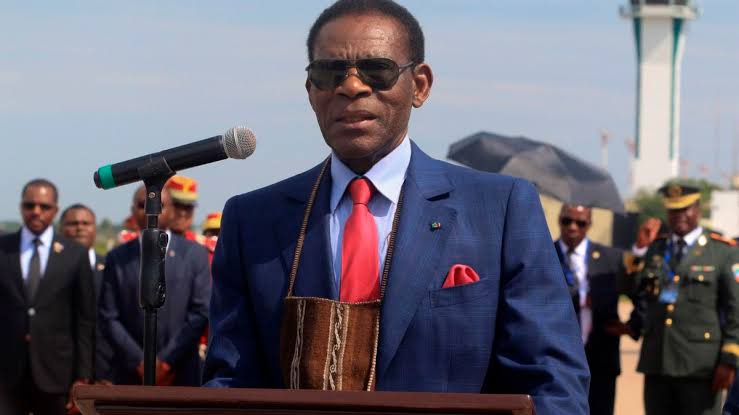
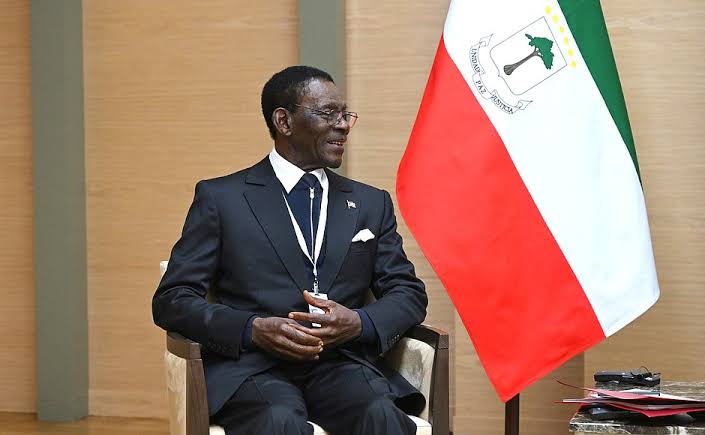
This question resurfaced recently when the government of Equatorial Guinea resigned after reportedly achieving only about 10 per cent of its performance targets. According to the country’s vice-president, the resignation reflected a simple principle: public office must be accompanied by results. SEE ALSO:
Equatorial Guinea: President Resigns After Government’s Poor Performance Evaluation
Whether one agrees with the politics surrounding the decision or not, the episode raises a question that deserves wider attention across the continent. What should happen when governments fail?
In many African countries, elections are built on promises. Politicians promise jobs, economic growth, reliable infrastructure, quality education, improved healthcare, and greater security. Citizens vote with the hope that these commitments will translate into better lives. Yet, after elections are won and power is secured, many of those promises quietly fade into the background.
The troubling reality is that failure rarely carries consequences.
Across the continent, there are governments presiding over persistent unemployment, worsening living conditions, corruption scandals, and inadequate public services. Yet many of the leaders associated with these challenges remain in office or seek re-election with little difficulty.
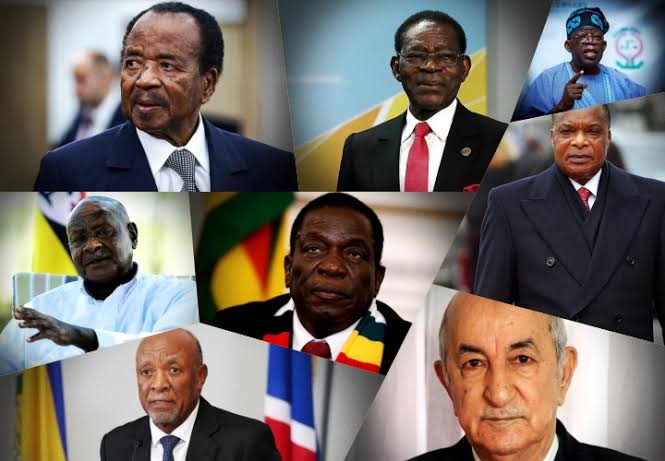
Consider Uganda, where President Yoweri Museveni has been in power since 1986. In Cameroon, President Paul Biya has governed for more than four decades. Zimbabwe continues to grapple with economic difficulties that have stretched across successive administrations. In Nigeria, citizens regularly express frustration over insecurity, inflation, unemployment, and unreliable public infrastructure, yet political accountability often appears limited once elections have passed.
Of course, governing a nation is not easy. No administration can control every economic shock, global crisis, or security challenge. It would be unreasonable to expect governments to achieve every target they set for themselves.
But there is a difference between falling short despite genuine effort and repeatedly failing without consequence. The first may deserve public understanding. The second raises legitimate questions about accountability.
This is where Equatorial Guinea becomes a useful microcosm. The significance of the story is not that a government resigned. Rather, it is that the resignation forces us to think about standards. What benchmarks should citizens use to judge those who govern them? Should political loyalty matter more than performance? Should election promises be treated as binding commitments or merely campaign rhetoric?
These questions cut across national borders.
Africa’s democratic future depends not only on holding elections but also on creating political cultures where leaders are judged by outcomes. Roads built, schools improved, hospitals functioning, jobs created, and public resources managed responsibly should matter more than speeches, slogans, and political symbolism.
Until failure carries meaningful consequences, many politicians will continue to make promises with little fear of being held to them. That is why the lesson from Equatorial Guinea extends far beyond its borders. It speaks to a wider African challenge: transforming accountability from a campaign slogan into a governing principle.