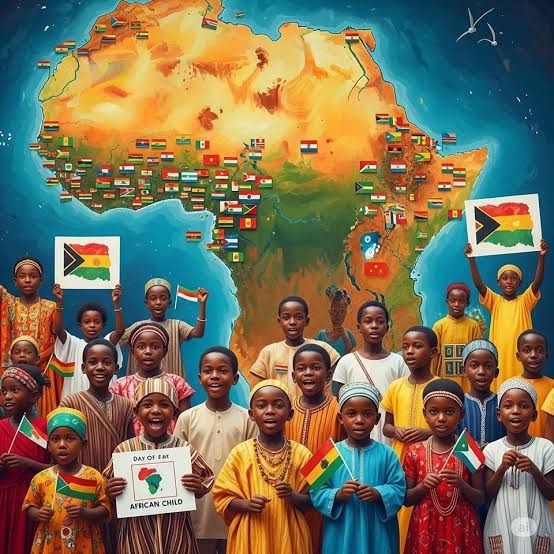
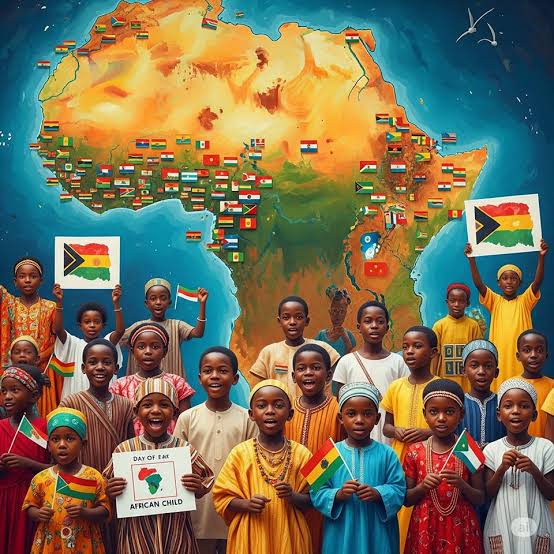
Every year on June 16, Africa pauses to remember the bravery of the students who marched during the 1976 Soweto Uprising. Their protest against an unequal education system became a defining moment in the struggle for justice and human dignity. Today, the Day of the African Child stands as a reminder of a simple but profound obligation: every African child deserves the opportunity to learn, grow, and thrive.
Yet nearly five decades after Soweto and more than 35 years after the African Union formalized the observance, a difficult question remains: why are so many African children still being left behind?
Across the continent, millions of children continue to attend underfunded schools where overcrowded classrooms, inadequate facilities, teacher shortages, and limited learning materials remain everyday realities. In some communities, children walk long distances to reach school. In others, conflict, poverty, or displacement prevent them from attending at all.
While significant progress has been made in expanding access to education, access alone is not enough. The quality of education remains a major concern. Many students complete years of schooling without acquiring the skills needed to compete in an increasingly digital and knowledge-driven world.
The challenge extends beyond education. Child poverty, malnutrition, inadequate healthcare, child labor, early marriage, and youth unemployment continue to affect millions of young Africans. For many children, the circumstances of birth still determine opportunities later in life.
So what is going wrong?
One explanation lies in the gap between promises and implementation. African governments have signed numerous regional and international agreements aimed at protecting children’s rights and improving education. Yet too often, these commitments fail to translate into meaningful action. Education budgets frequently fall short of recommended levels, while corruption, weak governance, political instability, and competing priorities divert resources away from essential services.
This raises an uncomfortable but necessary question: who is accountable?
Governments carry the primary responsibility. They are entrusted with providing quality education, healthcare, safety, and opportunities for young citizens. However, accountability cannot rest solely with political leaders. Regional institutions, development partners, civil society organizations, communities, and the private sector all share responsibility for ensuring that children remain at the center of development efforts.
Parents and local communities also have an important role in demanding transparency and monitoring how public resources are used. Lasting change requires both leadership from above and pressure from below.
June 16 should be more than an annual commemoration. It should be a call to action. Africa possesses the world’s youngest population, and its future prosperity will depend largely on how well it invests in its children today.
The students of Soweto marched because they believed they deserved better. Nearly fifty years later, Africa must ask whether it has done enough to honor that belief. Until every child has access to quality education, protection, and genuine opportunity, the promise of June 16 remains unfinished.