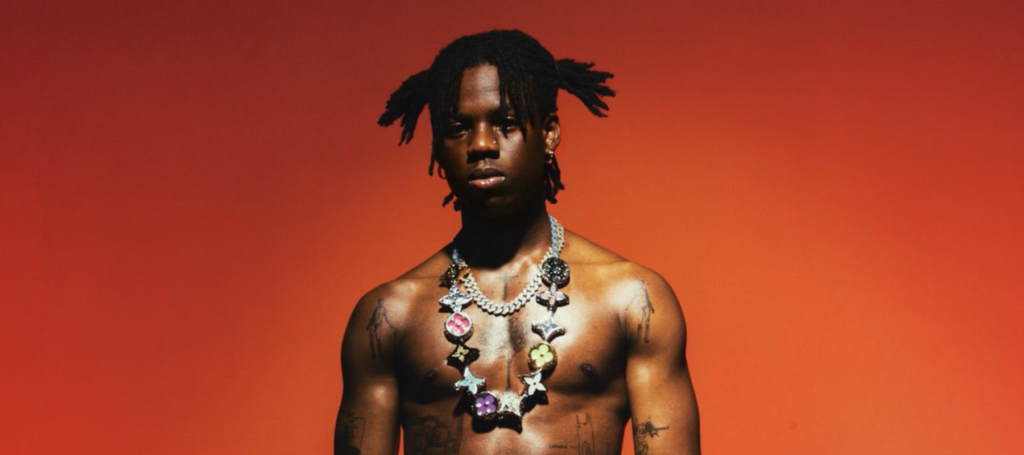
Global football and music are set for a major cultural moment as FIFA announces an all-star performance lineup for the FIFA World Cup 2026 opening ceremony in Los Angeles. Among the headline acts are African music stars Rema and Tyla, alongside international performers Katy Perry and Future.
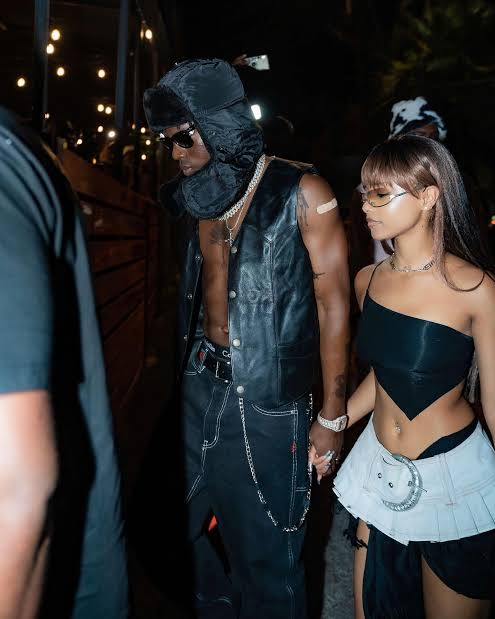
The announcement marks another significant moment for African music on the global stage. For many observers, the inclusion of Rema and Tyla is not simply about entertainment. It reflects the growing dominance of African sounds and aesthetics within contemporary global pop culture.
Africa’s Expanding Cultural Influence
Over the last decade, African music, particularly Afrobeats and Amapiano, has moved from regional popularity to international mainstream success. Artists from the continent now headline global festivals, top international charts, and collaborate with some of the biggest names in music.
Rema has become one of the leading faces of modern Afrobeats, especially after the global success of “Calm Down,” while Tyla has gained worldwide recognition for blending Amapiano with contemporary pop and R&B influences.
Their appearance at the World Cup opening ceremony signals how African music is increasingly viewed not as a niche category, but as a central force in global entertainment.
More Than a Performance
The World Cup opening ceremony is one of the most watched cultural events in the world, drawing audiences across continents. Having African artists at the forefront of such a platform carries symbolic importance. It presents Africa not through outdated stereotypes, but through creativity, innovation, and cultural power.
This visibility also matters for younger African creatives. It demonstrates that African music and storytelling can command global attention without losing cultural identity.
Fashion, Sound, and Global Identity
Both Rema and Tyla represent a generation of African artists who combine music with strong visual identity and fashion influence. Their presence at the ceremony is likely to extend beyond performance into broader conversations around African youth culture, style, and creative direction.
As preparations continue for the FIFA World Cup 2026, the inclusion of African performers points to a changing global cultural landscape, one where African voices are no longer at the margins but increasingly at the centre.
The real significance of this moment lies not only in who is performing, but in what their presence represents: a continent whose cultural output continues to reshape global entertainment on its own terms.