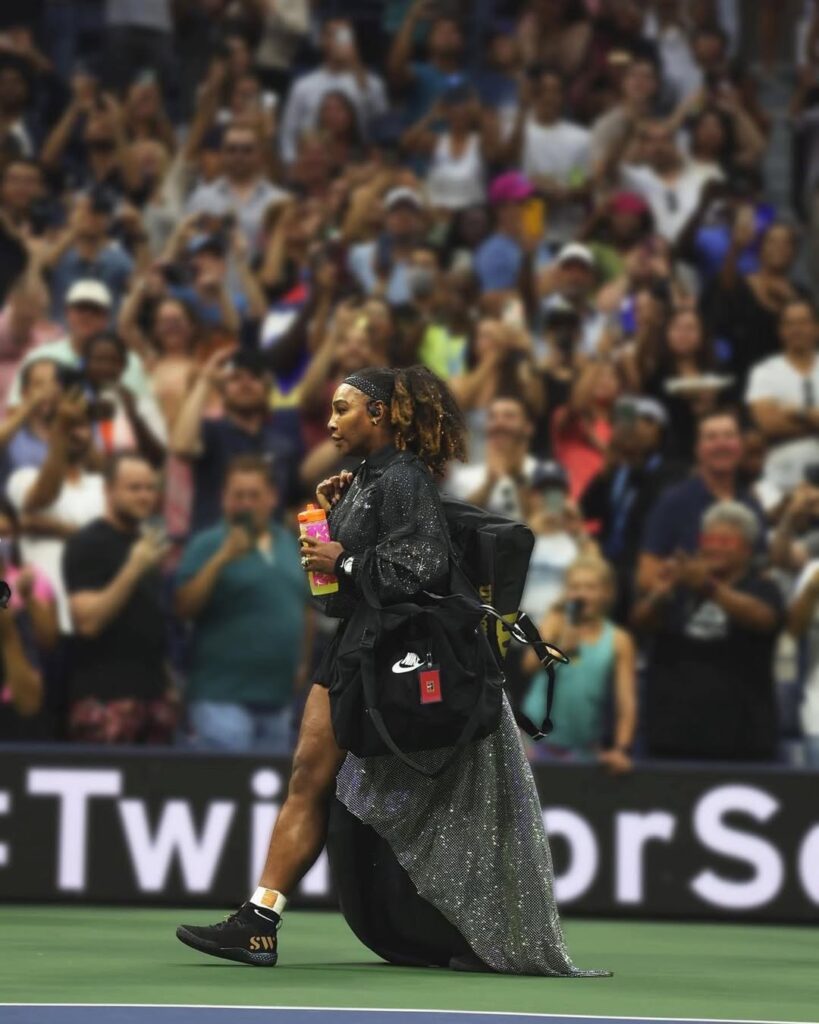
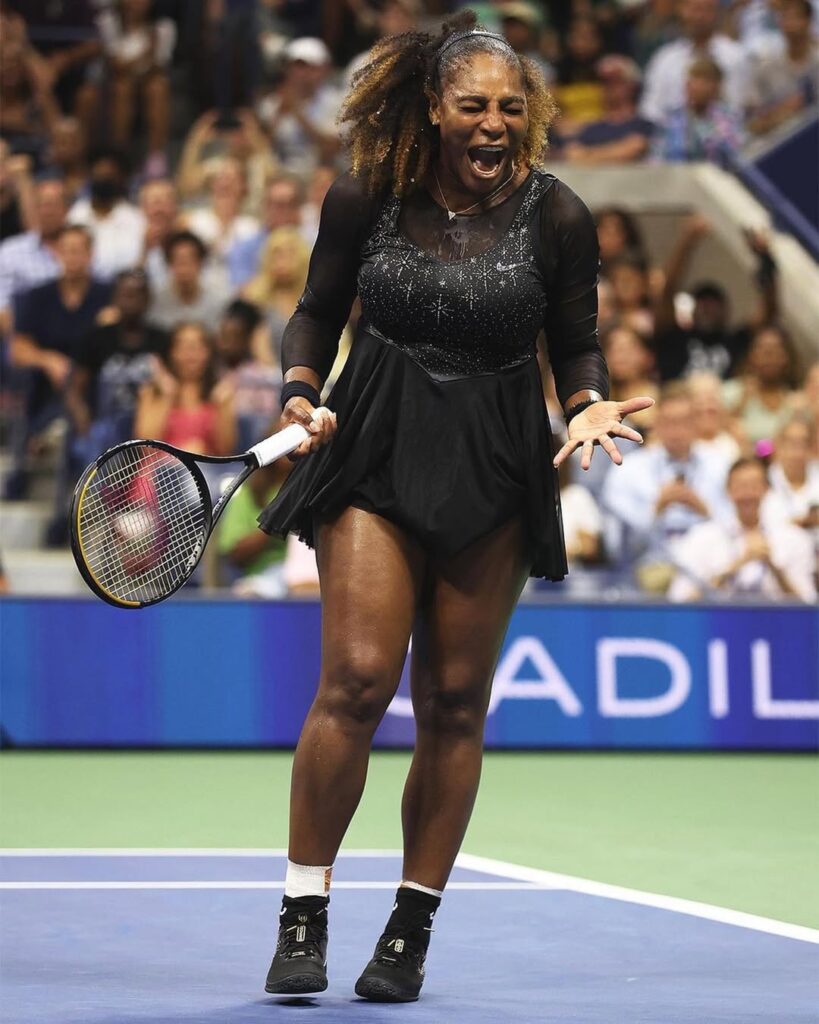
The tennis world is buzzing once again. Nearly four years after stepping away from professional tennis, Serena Williams is officially making her return to competition, and she is doing it alongside one of the sport’s most exciting young talents: Congolese-Canadian sensation Victoria Mboko.
The 23-time Grand Slam singles champion will compete in the women’s doubles event at the HSBC Championships at Queen’s Club in London from June 8 to 14, 2026. The tournament marks Williams’ first professional appearance since the 2022 US Open, where she famously announced that she was “evolving away” from tennis rather than formally retiring.
At 44, Williams remains one of the most celebrated athletes in sporting history. Her return has generated excitement far beyond tennis circles, particularly because of her partnership with 19-year-old Victoria Mboko, a rising star whose family roots trace back to the Democratic Republic of the Congo.
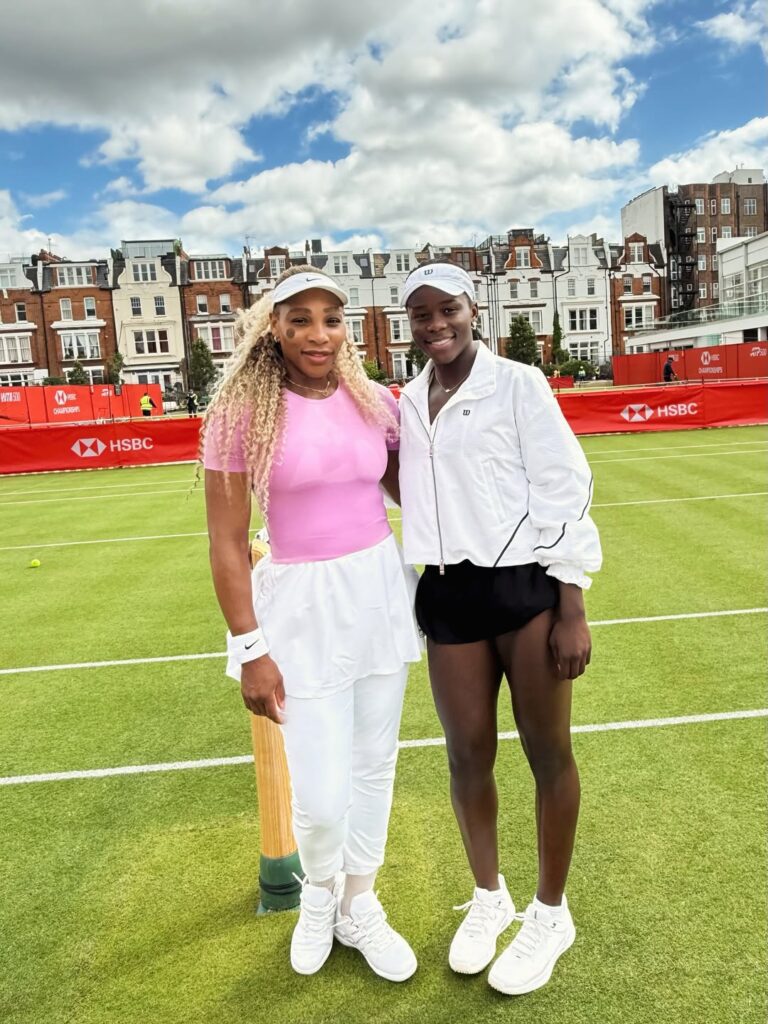
A Meeting of Generations
Few partnerships could better symbolize the changing face of women’s tennis.
On one side is Serena Williams, the athlete who transformed the sport through her power, athleticism, and dominance. Across a career spanning nearly three decades, she won 23 Grand Slam singles titles and helped redefine what was possible for women, especially Black women, in professional tennis.
On the other side is Victoria Mboko, one of the brightest young players in the game. The teenager has enjoyed a rapid rise through the professional ranks and has frequently spoken about Williams as one of her biggest inspirations. When news of their partnership broke, Mboko described it as an honour to share the court with her childhood idol.
For many African and Black tennis fans, the pairing feels especially meaningful. It brings together a global sporting icon and a member of a new generation of athletes from the African diaspora who are increasingly making their mark on the international stage.
Why This Comeback Matters
The significance of Serena’s return extends beyond the scoreboard.
Women’s tennis has evolved considerably since Williams last competed. A younger generation now dominates the tour, and questions naturally surround how the American legend will perform after such a long absence. Yet Serena’s impact has never been measured solely by trophies.
Her return serves as a reminder of her enduring influence on sport, culture, and representation. Few athletes have inspired as many young players around the world, particularly girls of African descent who saw themselves reflected in her success.
The choice of Queen’s Club is also symbolic. Williams has often spoken about her love for grass-court tennis, the surface on which she won seven Wimbledon singles titles and created some of the most memorable moments of her career. (The Guardian)
Could This Be More Than a One-Off?
The biggest question surrounding Williams’ comeback is what comes next.
So far, neither Serena nor her team has confirmed whether she plans to compete at Wimbledon or the US Open later this year. However, speculation continues to grow, especially after reports emerged that she had re-entered the anti-doping testing pool and resumed serious training.
Adding to the intrigue, recent reports indicate that Williams has also added the Berlin Tennis Open to her comeback schedule, suggesting that her return may extend beyond a single tournament.
Regardless of how far Serena’s comeback goes, her partnership with Victoria Mboko has already created one of the most compelling stories of the 2026 tennis season.
It is a story about legacy and possibility. About one generation inspiring the next. And for many Africans and members of the African diaspora, it is another reminder that Black excellence continues to shape the future of global sport.
When Serena Williams steps onto the court in London next week, she will not simply be returning to tennis. She will be sharing the stage with a young player who represents the sport’s future, proving once again that inspiration can travel across continents, cultures, and generations.