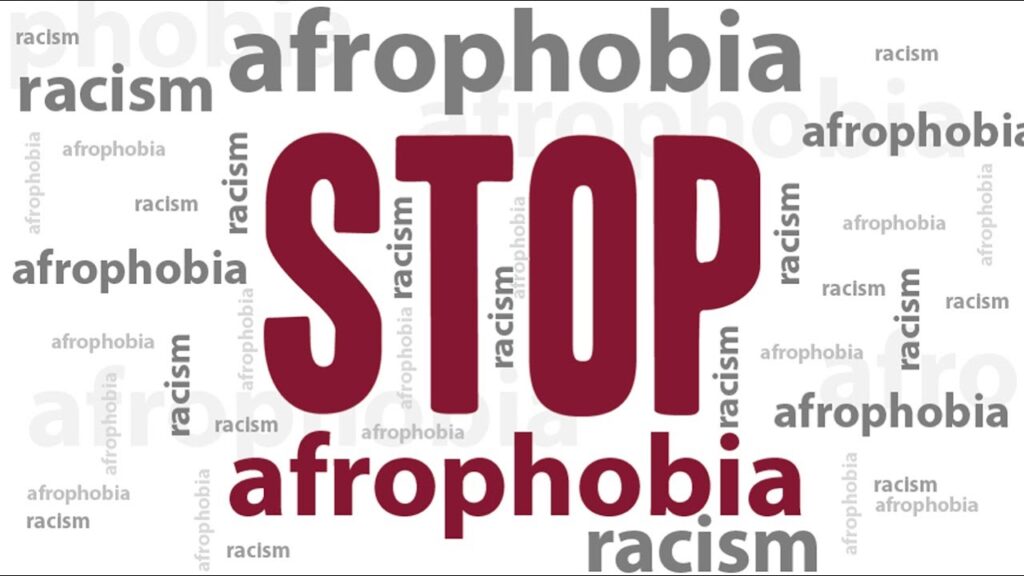
A nation’s reputation is one of its most valuable assets. It influences tourism, investment, diplomacy, business opportunities, and cultural influence. Yet reputation can be difficult to build and remarkably easy to damage. South Africa is currently confronting that reality as concerns over xenophobia and anti-immigrant sentiment increasingly affect how the country is viewed across Africa.
The issue is no longer limited to migrants who have experienced discrimination or violence. According to South Africa’s Justice Minister, Mmamoloko Kubayi, a local artist recently lost all her scheduled performances across the continent because of backlash linked to South Africa’s migration and xenophobia crisis. Kubayi, who chairs the country’s Inter-Ministerial Committee on Irregular Migration, described the cancellations as part of a broader continental response to recent anti-immigrant unrest.
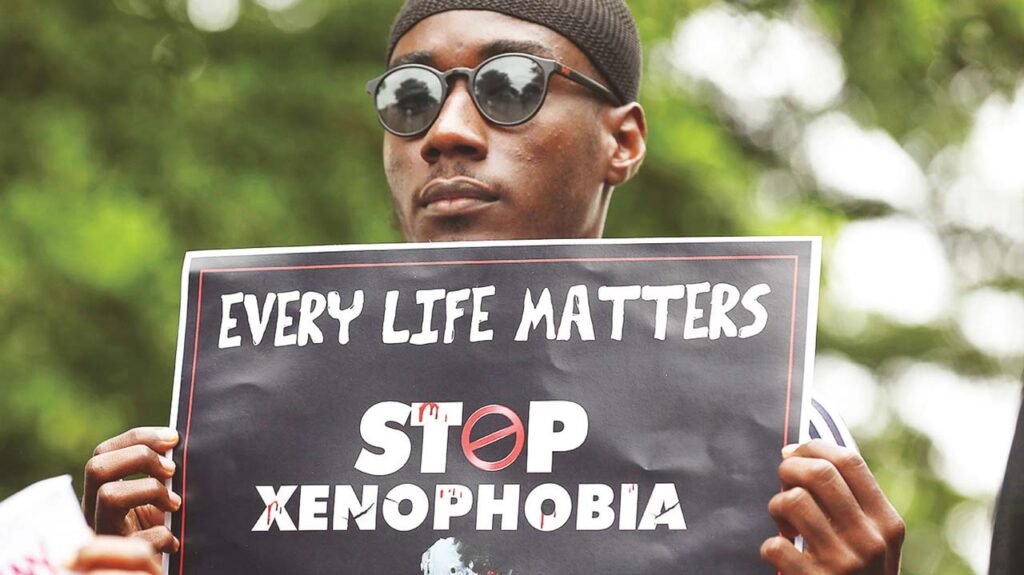
The development points to a growing public relations challenge for Africa’s most industrialized economy.
For years, reports of attacks on foreign nationals and foreign-owned businesses have attracted negative attention across the continent. Images of violence targeting African migrants have circulated widely on social media and international news platforms, creating perceptions that extend far beyond the specific incidents themselves. Whether fair or not, many Africans increasingly associate South Africa with hostility toward fellow Africans.
The consequences are becoming more visible. Beyond politics, negative perceptions are beginning to affect entertainment, commerce, tourism, and even sport. Discussions on social media have revealed some football supporters openly backing South Africa’s opponents in international competitions. Businesses have expressed concerns about reputational damage, while cultural exchanges that once strengthened continental ties are facing new obstacles.
Yet the issue requires nuance.
It would be inaccurate to portray all South Africans as xenophobic. Many citizens, activists, community leaders, and organizations have consistently condemned attacks on migrants and advocated for greater social cohesion. South Africa remains home to millions of Africans from across the continent who live, work, study, and contribute to its economy.
However, public perception is rarely shaped by nuance alone. Repeated incidents, regardless of who commits them, can create powerful narratives that influence how entire nations are viewed.
This is where public relations intersects with policy. Statements condemning violence are important, but lasting improvements in South Africa’s image will likely depend on visible efforts to address the root causes of anti-immigrant tensions and reassure fellow Africans that they are welcome.
The lesson is a broader one for the continent. In an interconnected Africa, domestic actions increasingly carry regional consequences. When relations between communities break down within a country’s borders, the effects can quickly spill into diplomacy, business, sport, and culture. South Africa’s current experience serves as a reminder that national image is not shaped only by what a country says about itself, but also by how others experience and perceive it.