What Was the Harlem Renaissance?
The Harlem Renaissance was one of the most important cultural and intellectual movements in Black history. Emerging during the 1920s and early 1930s, it was a period of extraordinary artistic, literary, musical, and political expression led by African Americans in the Harlem neighbourhood of New York City.
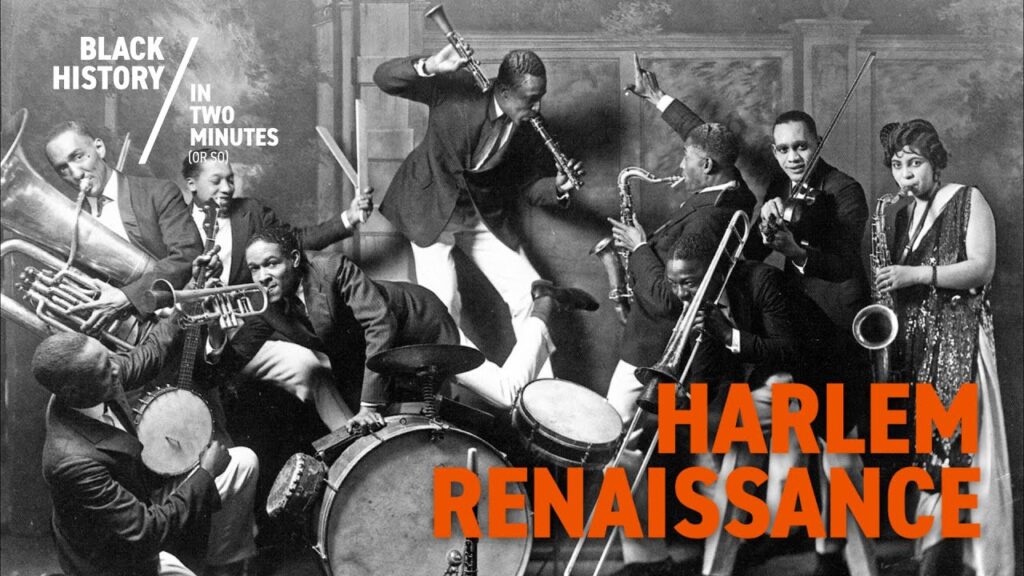
More than a literary movement, the Harlem Renaissance represented a cultural awakening. It gave Black people an opportunity to reclaim their voices, redefine their identity, and challenge racist stereotypes through art and intellectual production.
The movement developed during a time of racial segregation, violence, and inequality in the United States. Yet despite these challenges, Black artists transformed pain into creativity and resistance into cultural power.
Why Harlem Became the Centre
The Harlem Renaissance grew partly from the Great Migration, a period when millions of African Americans moved from the rural South to northern cities in search of jobs, safety, and better opportunities.
Harlem became a centre of Black life, attracting writers, musicians, scholars, performers, and political thinkers. The area soon developed into a thriving cultural community where ideas, debates, and creativity flourished.
Harlem was not simply a place. It became a symbol of Black pride, ambition, and self-expression.
Literature, Music, and Artistic Expression
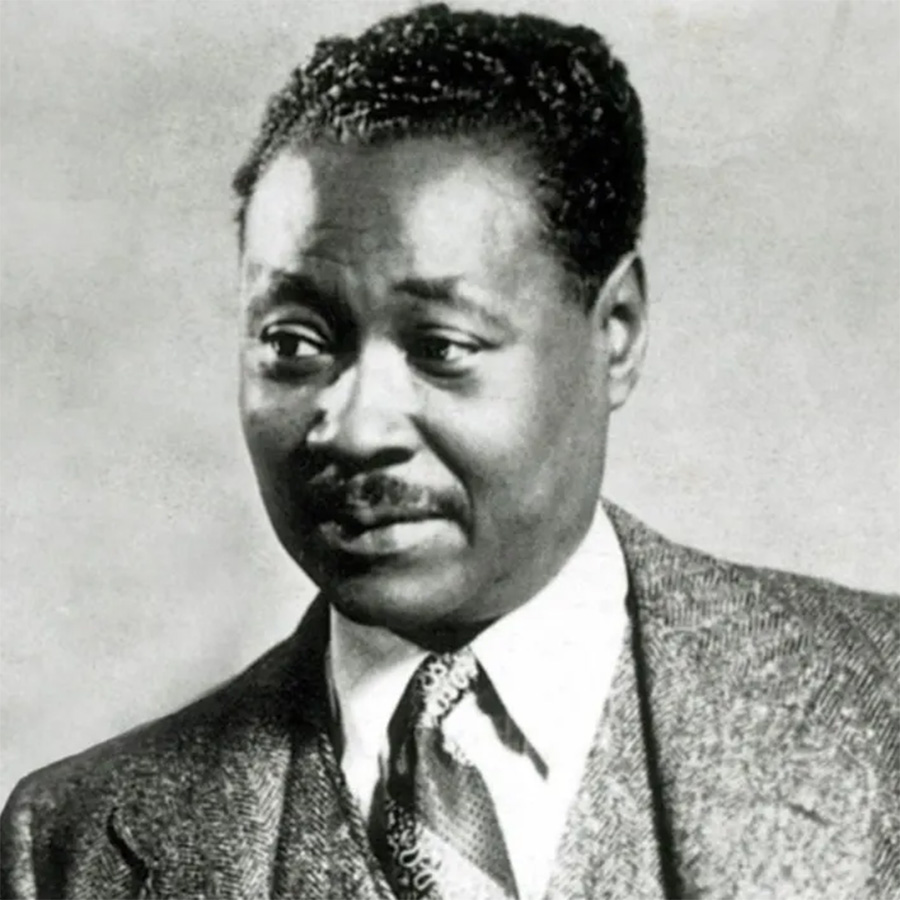
Writers played a major role in the movement. Figures such as Claude McKay, Langston Hughes, Zora Neale Hurston, and Countee Cullen used poetry, fiction, and essays to explore race, identity, struggle, migration, and Black life.
Their writing challenged dominant narratives that portrayed Black people negatively or excluded them entirely from serious literature.
Music also flourished during this period. Jazz, blues, and gospel gained greater recognition through musicians such as Duke Ellington, Louis Armstrong, and Bessie Smith.
Jazz clubs became spaces of creativity, experimentation, and cultural exchange, influencing global music for generations.
A Movement of Resistance and Black Pride
At its core, the Harlem Renaissance was about dignity and representation. Black intellectuals sought to challenge racist assumptions and prove that Black culture possessed intellectual depth, beauty, and sophistication.
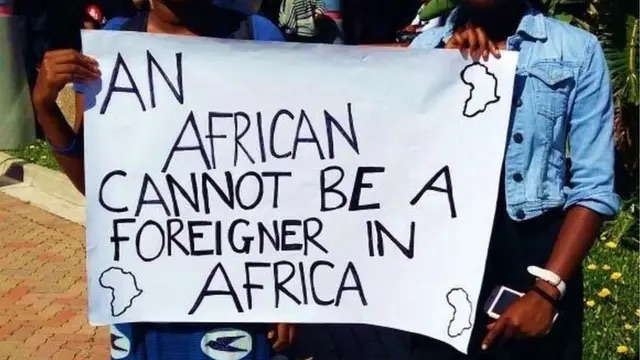
The movement encouraged pride in African heritage and inspired conversations about Pan-Africanism, racial justice, and self-determination.
It also influenced political thought. Activists and thinkers increasingly linked artistic expression to struggles against colonialism and racial oppression across Africa and the African diaspora.
Impact Beyond America
Although centred in Harlem, the movement had global influence. Writers and thinkers across Africa, the Caribbean, and Europe drew inspiration from it. Anti-colonial leaders, African writers, and Black intellectuals embraced its ideas about identity, liberation, and cultural confidence.
Its influence can be seen in later movements such as Negritude, Pan-Africanism, Black Consciousness, and African literary nationalism.
Why the Harlem Renaissance Still Matters
The Harlem Renaissance changed how Black people saw themselves and how the world viewed Black creativity. It demonstrated that culture could be used as resistance and that literature, music, and art could challenge oppression.
Today, its legacy remains visible in Black literature, music, fashion, cinema, and political thought.
More importantly, it reminds us that even in periods of discrimination and exclusion, creativity can become a powerful force for dignity, resistance, and social transformation.