A Writer Who Refused Silence
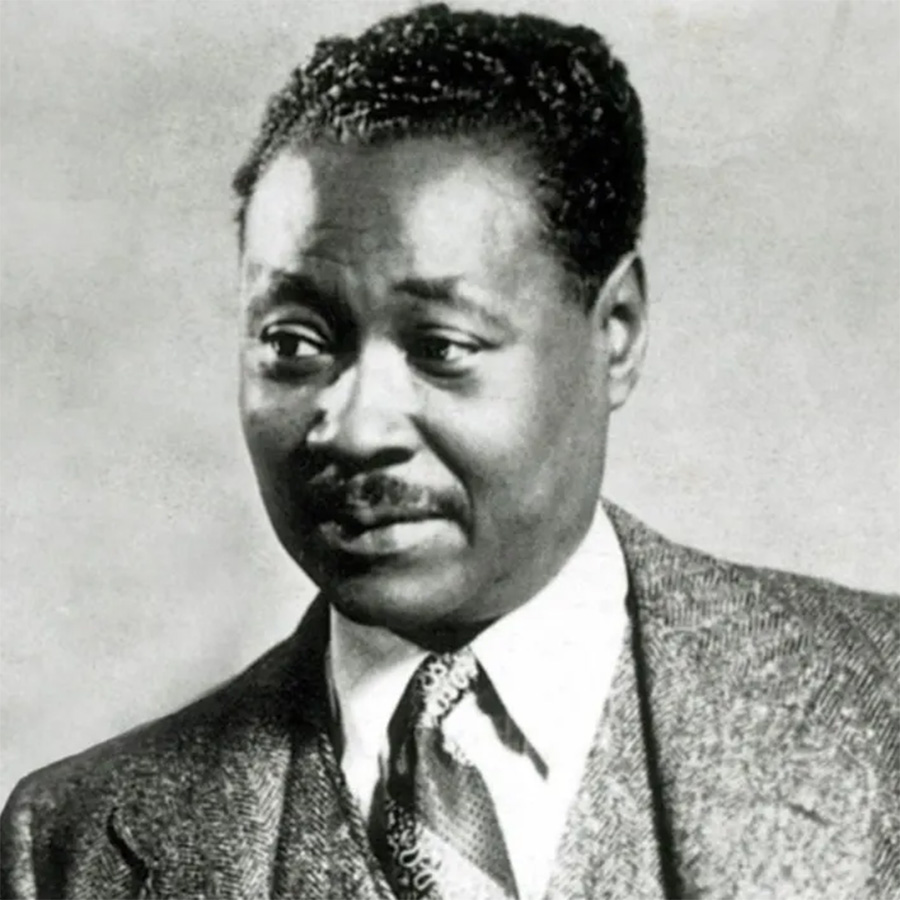
The story of Black literature in the twentieth century cannot be told without mentioning Claude McKay. Poet, novelist, journalist, and political thinker, McKay became one of the most powerful literary voices of the Harlem Renaissance, using words as weapons against racism, colonialism, and injustice.
Born in 1889 in rural Jamaica, McKay grew up in a society shaped by British colonial rule and racial hierarchy. His early exposure to peasant life, African-Jamaican culture, and social inequality would later shape much of his writing.
From Jamaica to Harlem
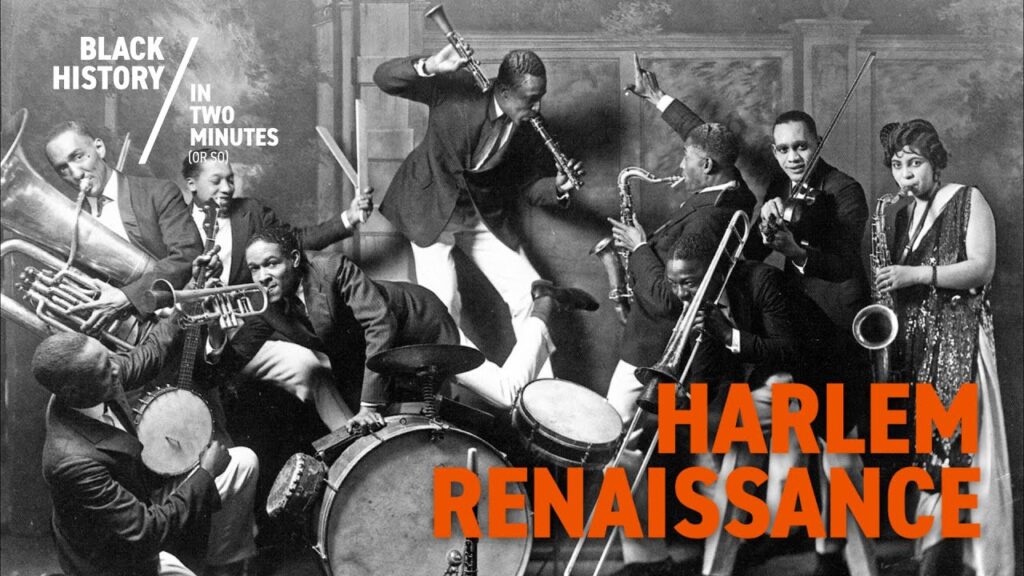
McKay eventually moved to the United States, where he became deeply involved in literary and political circles during the Harlem Renaissance of the 1920s. This cultural movement brought together Black writers, artists, musicians, and intellectuals who sought to redefine Black identity and challenge racist stereotypes through creative expression.
What made McKay stand out was his fearless honesty. His poetry confronted racial violence directly, especially during periods of intense anti-Black attacks in America.
One of his most famous poems, If We Must Die, became a powerful response to racial violence during the Red Summer of 1919, when Black communities across the United States faced brutal attacks. The poem’s message of resistance and dignity resonated far beyond America and later inspired anti-colonial and liberation movements globally.
Literature as Protest
Unlike writers who avoided political confrontation, Claude McKay embraced literature as a form of resistance. His novels and poems explored race, class, migration, alienation, and Black identity within oppressive systems.
Works such as Home to Harlem challenged conventional portrayals of Black life by presenting ordinary Black experiences with realism and emotional depth. Although controversial at the time, the novel became one of the first bestselling books by a Black writer in America.
McKay also travelled widely across Europe, North Africa, and the Soviet Union, developing a global political consciousness that shaped his views on colonialism and inequality.
His Relevance Today
More than seven decades after his death, McKay’s work remains strikingly relevant. Conversations about racism, migration, identity, police violence, and Black resistance continue to echo themes he explored in his writing.
He also helped open doors for future generations of Black writers across Africa, the Caribbean, and the diaspora by proving that Black stories, struggles, and voices belonged at the centre of global literature.
Beyond Memory
Remembering Claude McKay is not simply about honouring a literary figure from the past. It is about recognising the enduring power of words to confront injustice and defend human dignity.
At a time when the world continues to wrestle with inequality and racial tension, McKay’s voice still speaks with urgency, reminding readers that literature can do more than entertain. It can challenge, provoke, and inspire resistance.