Credit : Africa liberty
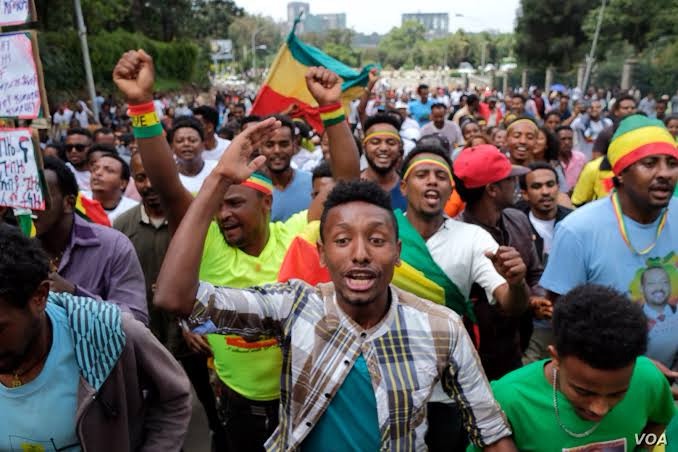
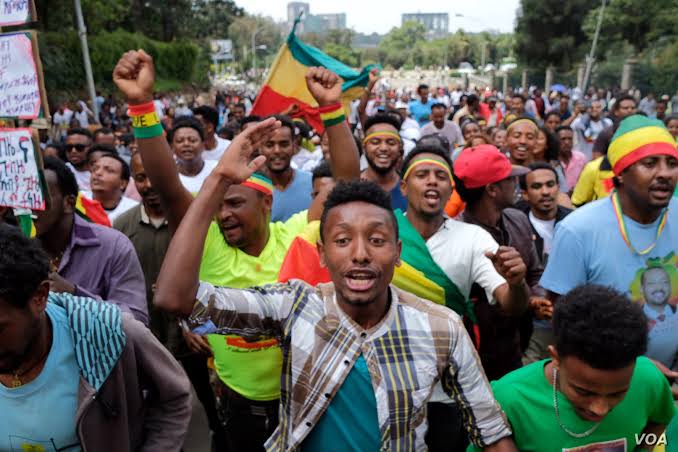
Ethiopia is set to hold general elections on June 1, with Prime Minister Abiy Ahmed widely expected to secure another victory despite growing instability across the country.
The election comes at a difficult moment for Africa’s second most populous nation. Ethiopia continues to grapple with armed conflicts in regions such as Amhara and Oromia, lingering tensions in Tigray, economic hardship, inflation, and the wider regional impact of the ongoing Middle East crisis. Analysts already describe the upcoming vote as one of the least competitive elections in the country’s recent history. 
A Leader Once Celebrated Globally
When Abiy Ahmed came to power in 2018, he was welcomed internationally as a reformer. He introduced political openings, released political prisoners, and restored diplomatic relations with Eritrea, a move that earned him the Nobel Peace Prize.
But the optimism surrounding his leadership has faded significantly in recent years.
The devastating Tigray conflict, which erupted in 2020, left hundreds of thousands dead and displaced millions. Although the Pretoria peace agreement reduced large-scale fighting, tensions remain fragile, with fresh disputes and military mobilisations raising fears of renewed violence. 
At the same time, insurgencies in Amhara and Oromia continue to challenge state authority, making parts of the country difficult to govern and campaign in freely.
Elections Without Real Competition?
Abiy’s Prosperity Party is still expected to dominate parliament, largely because opposition parties remain fragmented and security conditions limit meaningful political competition. 
Critics argue that the election risks becoming less about democratic choice and more about legitimising existing power structures. Some regions affected by insecurity may not experience fully open political participation, raising questions about representation and credibility.
The deeper concern is whether elections alone can stabilise a country facing ethnic tensions, armed conflict, economic stress, and growing distrust between political groups.
Economic Pressures and Regional Tensions
Ethiopia’s economy is also under pressure. Rising fuel and import costs linked to instability in the Middle East have affected inflation and living conditions. Meanwhile, tensions with Eritrea over Red Sea access continue to create fears of broader regional instability in the Horn of Africa. 
For many Ethiopians, daily survival has become more urgent than electoral politics.
The Bigger African Question
Ethiopia’s election reflects a wider African challenge: can elections alone produce stability where institutions remain weak and conflicts unresolved?
Africa’s future depends not only on holding elections, but on building inclusive governance, accountable institutions, economic opportunity, and political systems that citizens genuinely trust.
For now, Abiy Ahmed appears firmly positioned to remain in power. The larger question is whether another electoral victory will bring national stability or simply extend Ethiopia’s unresolved political tensions into another chapter.