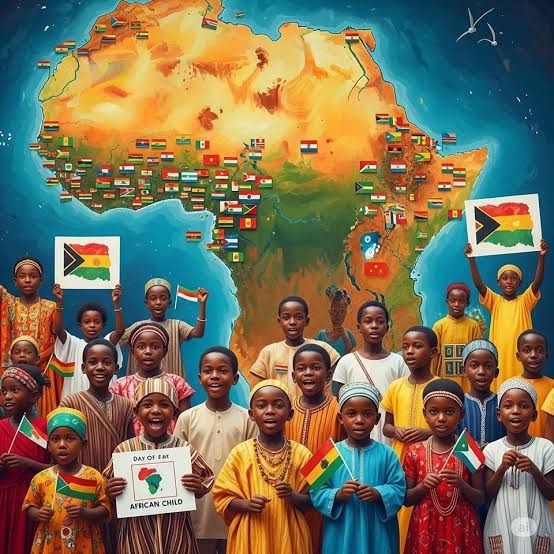
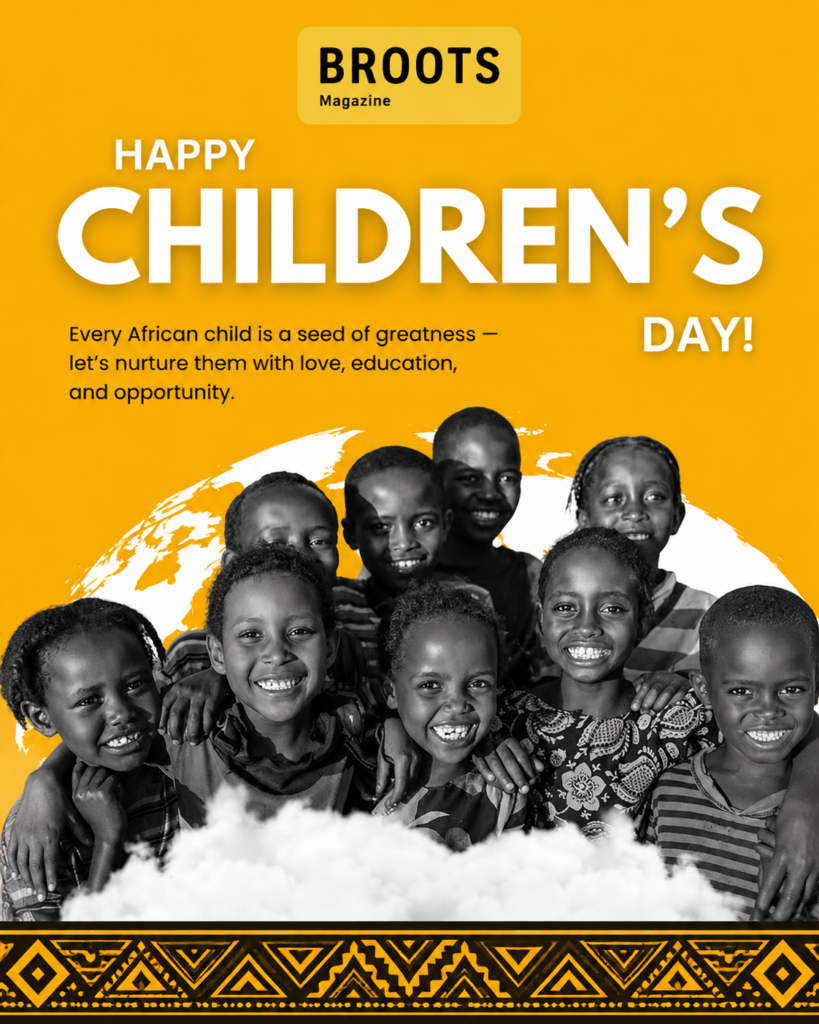
Every year, Children’s Day is marked with colourful celebrations, speeches, dances, and promises about the future. Across Africa, leaders proudly repeat the familiar phrase: “Children are the leaders of tomorrow.”
But many young Africans are beginning to ask a difficult question: when exactly will tomorrow come?
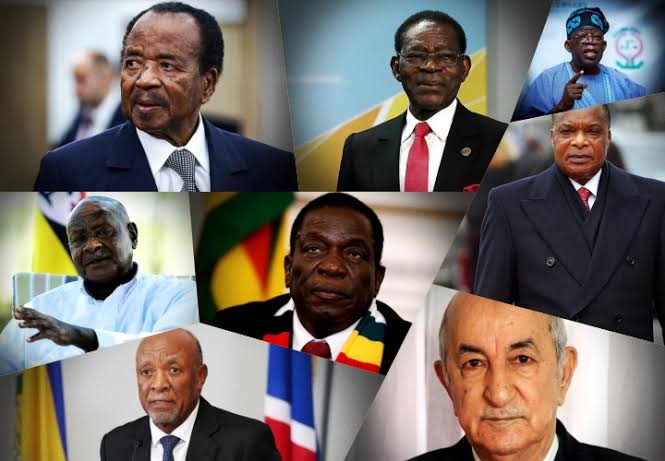
Across several African countries, political power remains dominated by ageing leaders who have governed for decades. In Cameroon, President Paul Biya has remained in power since 1982. In Uganda, Yoweri Museveni has ruled since 1986. In Nigeria and many other African states, political systems are still largely controlled by older political elites.
The contradiction is impossible to ignore. Children are constantly described as the future, yet many African societies struggle to create real space for younger generations to participate in leadership, policymaking, and national development.
Beyond Celebration
Children’s Day should not only be about entertainment and ceremonial speeches. It should also be a moment of serious reflection about the realities facing millions of African children.
Across the continent, many children still lack access to quality education, healthcare, nutrition, clean water, and safe environments. In conflict zones, thousands are displaced by violence. In poor communities, children are forced into labour, street hawking, or early marriages instead of classrooms.
At the same time, Africa remains one of the youngest continents in the world. This means the future of Africa depends directly on how today’s children are treated, educated, protected, and empowered.
The Leadership Question
One of Africa’s biggest challenges is not simply the age of leaders, but the failure to prepare younger generations for meaningful leadership roles.
Too often, political systems reward loyalty over innovation and recycle the same leadership class for decades. Young people are encouraged to dream big but are rarely given genuine opportunities to shape policy, governance, or national direction.
Yet the world is changing rapidly. The future belongs to technology, artificial intelligence, renewable energy, digital economies, science, and innovation. Africa cannot compete globally if it continues sidelining its youthful population while clinging to outdated political structures.
Investing in the African Child
If African governments truly believe children are the future, then investment in children must go beyond slogans.
Education systems must be strengthened. Child welfare must become a priority. Young people must have access to technology, creativity, mentorship, and opportunities that prepare them for modern realities.
Africa must also protect children from violence, exploitation, trafficking, and political instability. A continent cannot claim to love its children while failing to secure their future.
The Real Meaning of Children’s Day
The true value of Children’s Day lies not in the celebrations alone, but in the willingness of society to build a continent where children can genuinely dream, grow, and lead.
The African child is talented, creative, intelligent, and full of potential. But potential alone is not enough. Without visionary leadership and long-term investment, tomorrow’s leaders may inherit the same frustrations of previous generations.
As Africa marks another Children’s Day, perhaps the most important question is this: are African leaders truly preparing children for the future, or simply preparing them to wait endlessly for their turn?