credit: chikaoduah
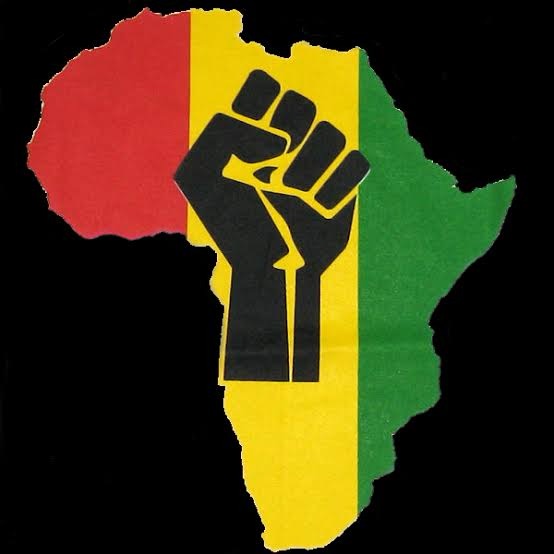
Sixty-three years ago, African leaders gathered in Addis Ababa with a bold dream. They imagined a continent united politically, economically, and culturally after decades of colonialism and exploitation. The creation of the Organization of African Unity in 1963 symbolised hope for liberation, solidarity, and shared prosperity.
The vision was powerful. A strong Africa. A self-reliant Africa. An Africa that could speak with one voice.
But more than six decades later, many Africans are asking: what happened to that dream?
A Continent Still Divided
Despite repeated speeches about Pan-Africanism, intra-African trade remains among the lowest in the world. African countries often trade more with Europe, China, or North America than with one another.
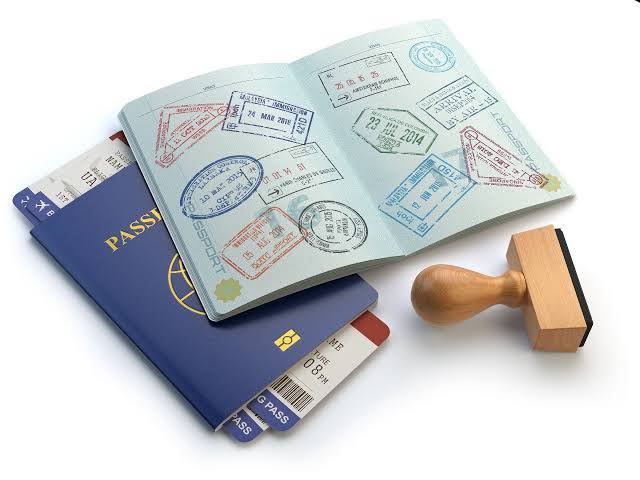
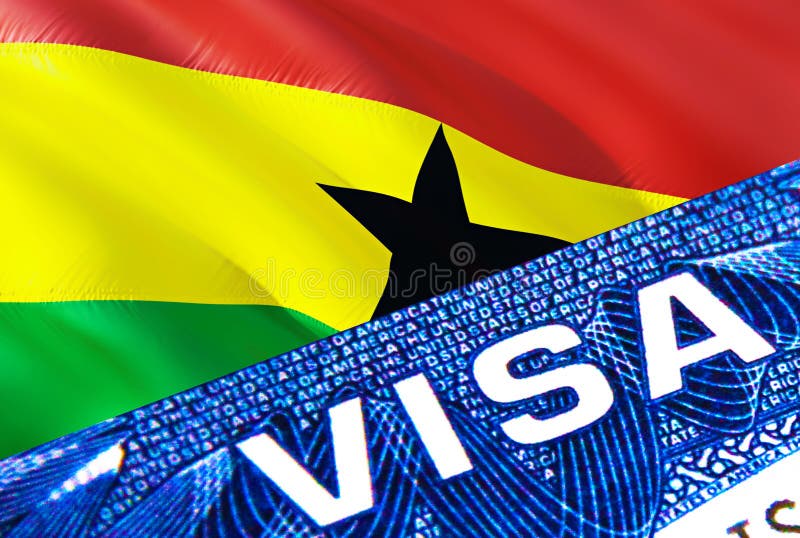
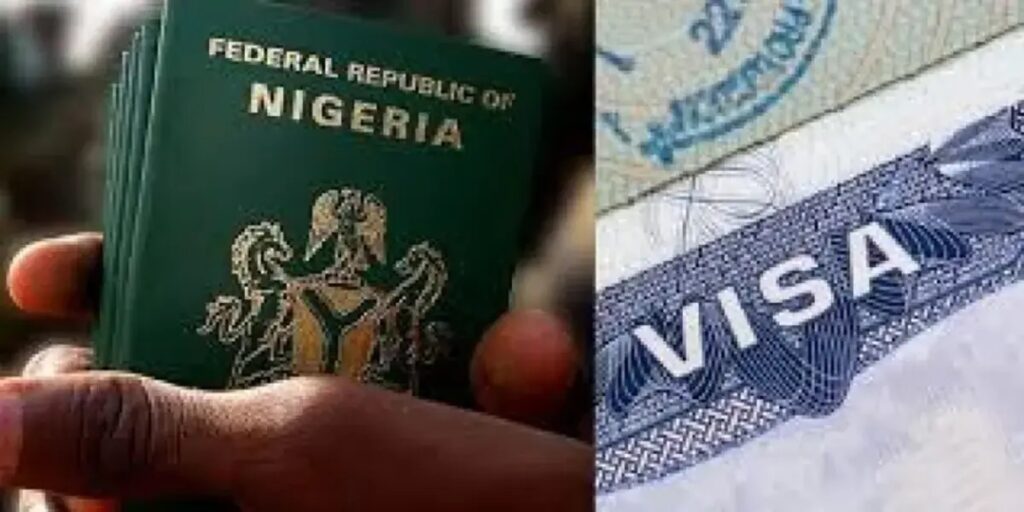
Border restrictions, poor transport systems, weak infrastructure, and complicated visa policies continue to limit movement and business across the continent. Even today, travelling between African countries can be expensive and frustrating for ordinary Africans.
Meanwhile, the idea of a unified African currency remains distant. Regional blocs discuss economic integration, but political mistrust and economic differences continue to slow progress.
Conflict and Political Instability
Africa’s founding leaders dreamed of liberation and peace. Yet conflicts continue to erupt across parts of the continent, from Sudan to the Sahel to eastern Congo.
Some of these crises are linked to colonial borders and foreign interference, but many are also connected to weak institutions, corruption, ethnic tensions, and leadership failures.
Too often, African leaders speak about unity while engaging in divisive politics at home.
The Leadership Problem
Perhaps one of the biggest obstacles to Africa’s dream has been leadership itself.
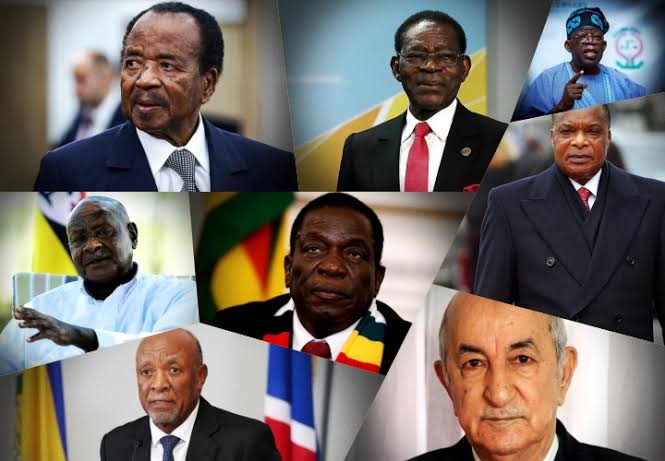
Several African countries remain dominated by long-serving political elites more focused on maintaining power than building strong institutions. In countries such as Cameroon, Uganda, and others, leadership transitions remain difficult while young people struggle with unemployment and exclusion.
Africa’s founders imagined leaders who would sacrifice for the continent. In many cases, politics has instead become a pathway to personal wealth and political survival.
Yet the Dream Refuses to Die
Still, Africa’s story is not only one of disappointment.
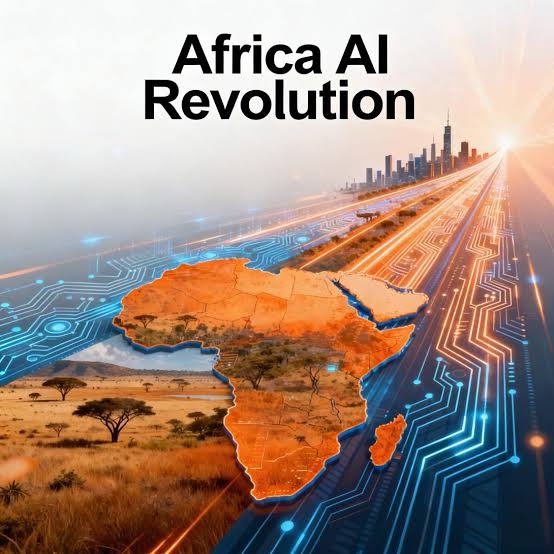
Across the continent, young Africans are driving innovation in technology, music, film, literature, fashion, and entrepreneurship. Conversations around free movement, digital economies, and continental trade are slowly gaining momentum.
The African Continental Free Trade Area, visa-free travel initiatives, and the rise of African creative industries suggest that the dream of African unity still survives, even if imperfectly.
The Real Question
The problem may not be that Africa dreamed too big. The problem may be that too many leaders stopped believing in the dream once power became more important than progress.
As Africa marks another year of continental unity, the challenge remains urgent: can African nations move beyond speeches and finally build the integrated, prosperous, and people-centred continent imagined in 1963?
Because history has already shown that Africa’s greatest obstacle is not lack of potential. It is the failure to transform vision into action.