When discussions about world history arise, the names that often dominate the conversation are those of European explorers, American presidents, and famous military leaders. Yet Africa has produced countless visionaries, freedom fighters, scholars, rulers, and innovators whose contributions have shaped societies far beyond the continent. Unfortunately, many of these figures remain largely unknown outside academic circles and local histories.
Here are some African heroes whose legacies deserve far greater recognition.
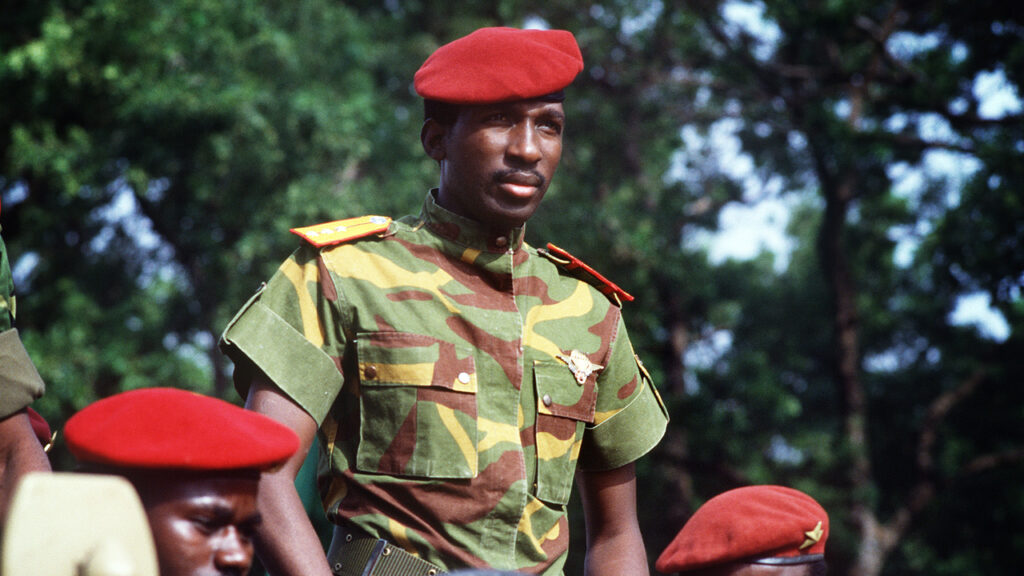
1. Thomas Sankara: The Revolutionary Who Reimagined Leadership
Often called “Africa’s Che Guevara,” Thomas Sankara transformed Burkina Faso during his brief presidency from 1983 to 1987. He championed women’s rights, promoted environmental conservation, fought corruption, and encouraged economic self-reliance. His vision of African dignity and independence continues to inspire generations across the continent.
2. Yaa Asantewaa: The Queen Mother Who Defied Empire
At a time when European colonial powers were expanding across Africa, Yaa Asantewaa led the Ashanti resistance against British colonial forces in present-day Ghana. In 1900, she became a symbol of courage and determination by rallying her people to defend their sovereignty.
3. Samori Touré: The Defender of West African Independence
Long before anti-colonial movements became widespread, Samori Touré built a powerful empire and resisted French colonial expansion for nearly two decades. His military strategies and determination made him one of the most formidable opponents European colonial forces encountered in West Africa.
4. Funmilayo Ransome-Kuti: The Voice of Women’s Rights
Before conversations about gender equality became mainstream, Funmilayo Ransome-Kuti was mobilizing thousands of women in Nigeria to challenge unjust taxation and advocate for political representation. Her activism laid important foundations for women’s participation in Nigerian public life.
5. Patrice Lumumba: A Symbol of African Independence
Patrice Lumumba became the first Prime Minister of an independent Congo in 1960. Although his time in office was short, his unwavering commitment to national sovereignty and African self-determination made him one of the most influential figures of the decolonization era.
6. Wangari Maathai: Planting Seeds for the Future
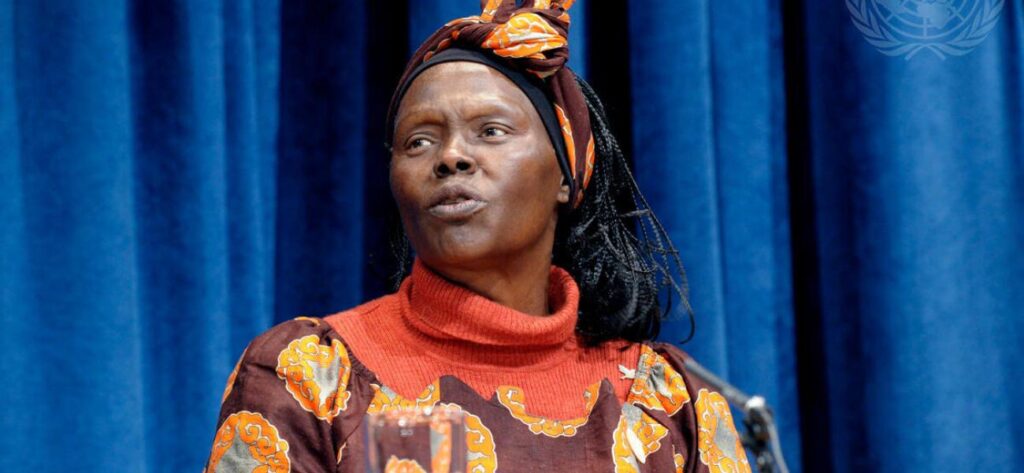
Environmental activism is often associated with contemporary global movements, but Wangari Maathai was decades ahead of her time. Through the Green Belt Movement, she mobilized communities to plant millions of trees while promoting environmental protection, democracy, and women’s empowerment. She became the first African woman to receive the Nobel Peace Prize.
7. Mansa Musa: The Ruler Who Put Africa on the World Map
Known as one of the wealthiest individuals in history, Mansa Musa ruled the Mali Empire during the fourteenth century. Beyond his wealth, he invested heavily in education, trade, architecture, and scholarship, helping to establish cities such as Timbuktu as major centres of learning.
8. Nzinga Mbande: The Diplomat and Warrior Queen
Nzinga Mbande remains one of Africa’s most remarkable political leaders. Through diplomacy, military strategy, and determined resistance, she defended her kingdoms in present-day Angola against Portuguese expansion for decades.
Why Their Stories Matter
These individuals came from different regions, cultures, and historical periods, but they shared a common trait: a willingness to challenge the status quo and fight for the future of their people. Their achievements remind us that African history is filled with innovators, intellectuals, reformers, and visionaries whose influence extends far beyond the continent.
Recovering these stories is not simply about correcting historical omissions. It is about recognizing that Africa has always produced leaders and thinkers who helped shape the world. The more we learn about these heroes, the more complete our understanding of global history becomes.