
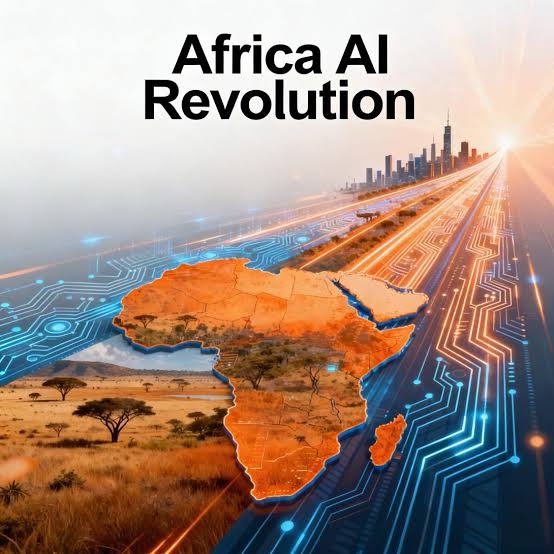
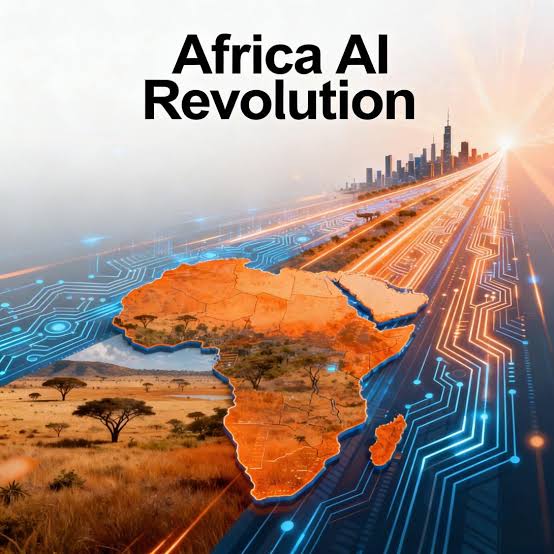
Artificial Intelligence (AI) is rapidly transforming the world. From healthcare and education to agriculture, finance, and entertainment, AI is changing how people work, learn, and solve problems. The question is no longer whether AI will shape the future. It already is. The more important question for Africa is this: will the continent be a creator of AI-driven solutions or merely a consumer of technologies built elsewhere?
Africa stands at a critical crossroads. Home to the world’s youngest population, abundant creativity, and a growing digital economy, the continent possesses many of the ingredients needed to benefit from the AI revolution. However, realizing this potential will require deliberate action, investment, and long-term thinking.
Invest in Education and Digital Skills
No AI strategy can succeed without people who understand and can build the technology. African governments, universities, and private organizations must invest heavily in science, technology, engineering, and mathematics education. Beyond formal education, there is a growing need for coding academies, digital literacy programmes, and AI training initiatives.
The future workforce must not only know how to use AI tools but also how to develop, improve, and regulate them.
Build Reliable Digital Infrastructure
AI depends on strong digital foundations. Fast internet access, affordable data, stable electricity, cloud computing facilities, and data centres are essential for innovation. While progress has been made across many African countries, significant infrastructure gaps remain.
Without reliable connectivity and power, even the most talented innovators will struggle to compete in a technology-driven world.
Develop African-Centred AI Solutions
Africa should not simply import technologies designed for other societies. The continent’s unique challenges require local solutions.
AI can help farmers predict weather patterns, assist doctors in diagnosing diseases, improve access to education in remote communities, enhance financial inclusion, and support the translation of African languages. These opportunities can only be fully realized when African innovators are involved in designing the tools.
Support Startups and Innovation Ecosystems
Some of Africa’s most exciting technological breakthroughs have emerged from startups. Yet many young innovators face difficulties accessing funding, mentorship, and investment opportunities.
Governments and financial institutions can help by creating policies that encourage innovation, supporting technology hubs, and making it easier for startups to access capital. The next globally influential AI company could emerge from Lagos, Nairobi, Kigali, Accra, Cape Town, or Cairo.
Protect African Data
Data is often described as the fuel of the digital economy. As AI systems become increasingly dependent on data, African countries must ensure that citizens’ information is protected and used responsibly.
Strong data governance frameworks can help safeguard privacy while ensuring that African data contributes to local innovation rather than simply enriching foreign technology companies.
Preserve African Languages and Cultures
Many AI systems are trained primarily on content from a handful of global languages. As a result, numerous African languages remain underrepresented in the digital space.
There is an urgent need to develop AI tools that recognize, process, and preserve African languages. Doing so will make technology more accessible while helping to protect cultural heritage for future generations.
Strengthen Continental Collaboration
No single African country can fully unlock the potential of AI alone. Cooperation across borders will be essential. Through regional partnerships, research collaborations, and knowledge-sharing initiatives, African nations can pool resources and expertise.
The African Continental Free Trade Area also presents opportunities for creating larger digital markets that encourage innovation and attract investment.
From Consumers to Creators
For decades, Africa has often been viewed primarily as a market for technologies developed elsewhere. The AI era offers a chance to change that narrative.
The continent’s youthful population, entrepreneurial spirit, and growing digital ecosystem provide a strong foundation for technological advancement. However, success will depend on investing in people, infrastructure, innovation, and ethical governance.
Artificial Intelligence is not a distant future. It is shaping the present. If Africa acts strategically, the continent can move beyond being a consumer of AI and become a leader in developing solutions that address both local and global challenges. The future of AI should not simply include Africa. Africa should help build it.