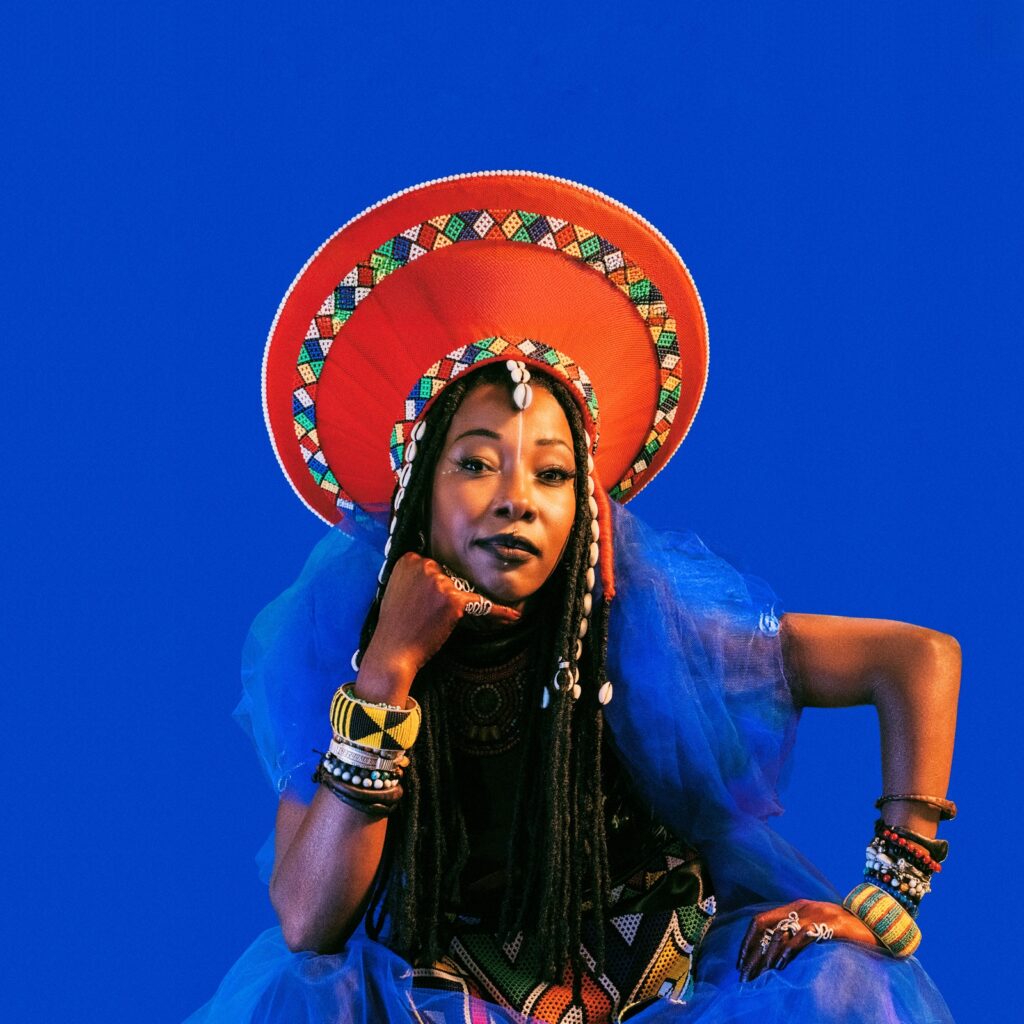
What happens when music becomes more than entertainment and turns into a bridge between cultures, generations, and histories?
For Fatoumata Diawara, that question has defined much of her career. Through her music, she has become one of Africa’s most compelling cultural ambassadors, blending tradition and innovation while using her voice to tell stories that resonate far beyond the continent.
From Mali to the Global Stage
Born in Côte d’Ivoire to Malian parents and raised in Mali, Diawara’s journey into the arts was anything but conventional. She began her career as an actress, appearing in theatre productions and films before eventually turning her attention to music.
Yet it was not fame that drove her artistic path. Rather, it was a desire to express herself, celebrate her heritage, and address issues affecting African societies. Over the years, she has grown from a regional performer into an internationally respected artist whose work has reached audiences across Africa, Europe, the Americas, and beyond.
A Sound Rooted in Tradition
What sets Diawara apart is her ability to remain deeply connected to African traditions while speaking to a global audience.
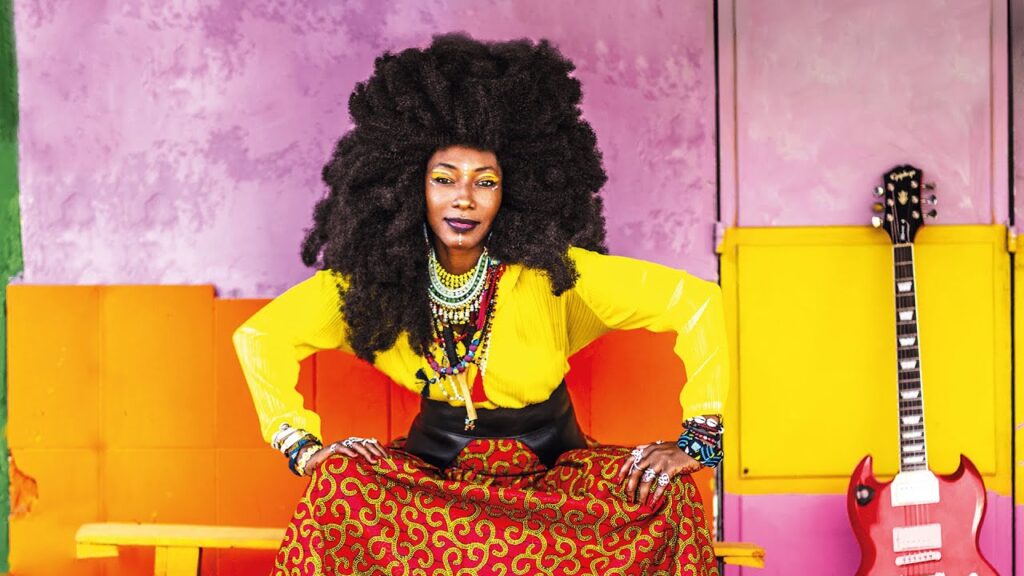
Her music draws heavily from the rich musical heritage of Mali, a country often regarded as one of Africa’s great musical powerhouses. Traditional rhythms, Wassoulou influences, and acoustic melodies form the foundation of her sound. At the same time, she seamlessly incorporates elements of jazz, blues, rock, and contemporary world music.
The result is a style that feels authentic and timeless. Whether performing in Bamako, Paris, London, or New York, her music carries unmistakable African influences while remaining accessible to listeners from different cultural backgrounds.
Using Music to Address Social Issues
For Diawara, music is also a vehicle for social commentary.
Many of her songs tackle issues such as women’s rights, migration, identity, education, and social justice. She has consistently used her platform to advocate for girls and women, challenge harmful cultural practices, and encourage conversations about equality and human dignity.
This commitment to activism has earned her admiration not only as a musician but also as a public voice for positive change. In an era where entertainment often prioritizes commercial success over meaningful engagement, Diawara has shown that art can still inspire reflection and action.
Building Bridges Through Collaboration
One of the reasons Diawara’s influence continues to grow is her willingness to collaborate across cultures and genres.
Throughout her career, she has worked with internationally acclaimed artists, producers, and musicians, helping to introduce African sounds to wider audiences. These collaborations have reinforced an important truth: African music is not a peripheral influence in global culture. It is one of its driving forces.
Rather than adapting herself to fit global expectations, Diawara brings her culture with her, allowing audiences to encounter African music on its own terms.
More Than a Musician
Diawara’s impact extends beyond the recording studio and concert stage.
As an actress, cultural advocate, and storyteller, she represents a generation of African creatives determined to shape their own narratives. Her work challenges outdated stereotypes and presents a more nuanced understanding of African identities, experiences, and aspirations.
Through her artistry, she demonstrates that African stories are diverse, contemporary, and globally relevant.
Why Fatoumata Diawara Matters
At a time when African artists are receiving unprecedented international recognition, Fatoumata Diawara stands out not simply because of her talent but because of her purpose.
She is traditional without being confined by tradition. She is global without losing sight of home. Most importantly, she reminds the world that African culture is not something frozen in history. It is vibrant, evolving, and influential.
Through every performance, every lyric, and every collaboration, Fatoumata Diawara carries a piece of Africa’s story to the world, inviting listeners to hear the continent through its own voice.