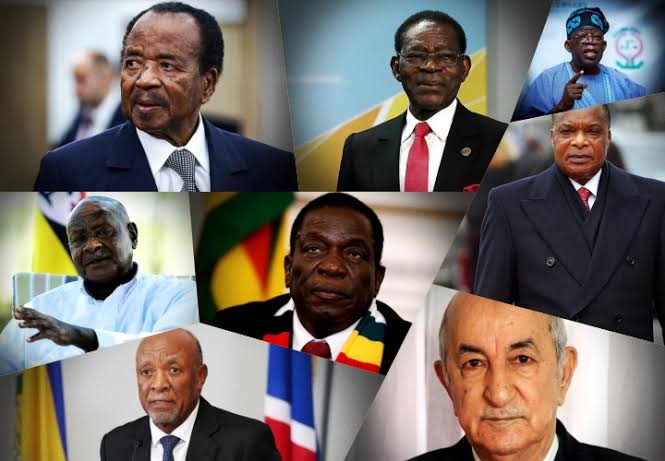
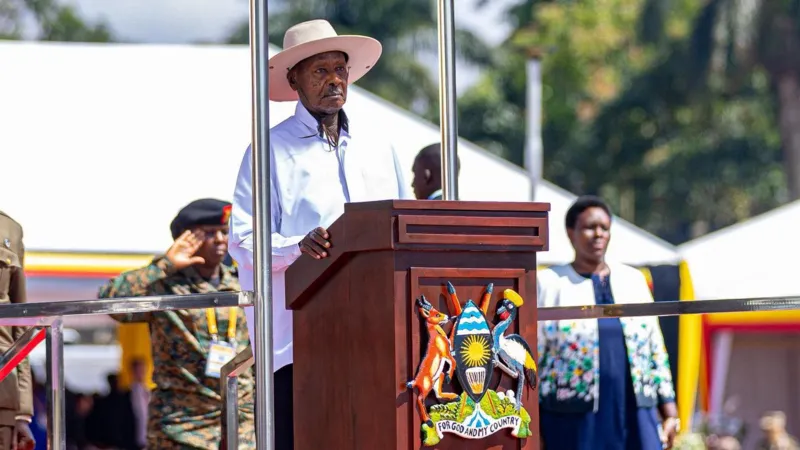
Yoweri Museveni, now 81, has officially been sworn in for a seventh consecutive term after his disputed January election victory in Uganda. His continued rule extends a presidency that began in 1986, placing him among Africa’s longest-serving leaders.
For many Africans, the event raises a troubling question: why does political power remain so difficult to transfer peacefully and democratically across much of the continent?
Museveni is not alone. Across Africa, several leaders have remained in office for decades, gradually transforming democratic systems into structures centred around one dominant figure. In Cameroon, Paul Biya has ruled since 1982. In Equatorial Guinea, Teodoro Obiang Nguema Mbasogo has been in power since 1979. These leaders increasingly resemble political landlords, figures who treat state power as permanent property rather than temporary public responsibility.
The danger of this model goes beyond age itself. The real issue is stagnation.
Modern governance demands innovation, technological thinking, institutional renewal, and adaptability. Yet many African political systems remain controlled by leaders shaped by Cold War politics and liberation-era thinking. While historical contributions should be respected, governance in the twenty-first century requires fresh approaches to artificial intelligence, digital economies, climate adaptation, youth employment, cybersecurity, and industrial transformation.
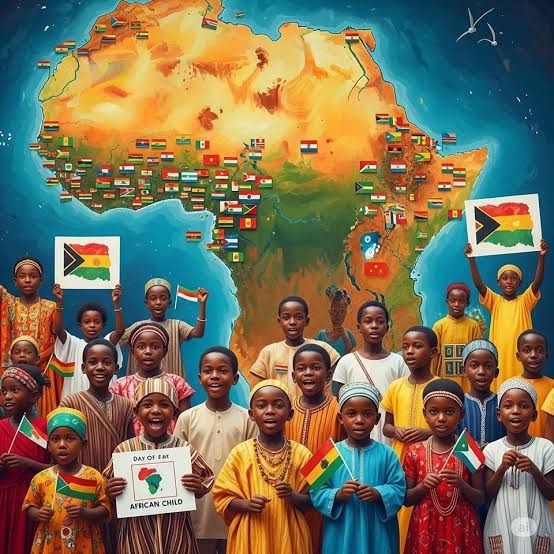
Africa is the world’s youngest continent, yet many of its political systems are led by some of the world’s oldest leaders. This disconnect creates frustration among young people who feel excluded from decision-making about their future.
Long-term rule also weakens institutions. When one leader dominates for decades, loyalty often becomes more important than competence. Political succession becomes uncertain, opposition weakens, and democratic culture suffers. In some cases, constitutional amendments are introduced mainly to extend presidential tenure rather than strengthen governance.
The irony is that many of these leaders once entered power promising liberation, reform, or democracy. Over time, however, state institutions often become personalised around them.
Africa does not lack talent, ideas, or youthful energy. What it often lacks is political renewal.
The continent’s future cannot depend indefinitely on ageing political strongmen while younger generations drive innovation in technology, business, science, and culture. Strong nations are built on strong institutions, not permanent rulers.
The challenge for Africa now is whether it can move from personality-driven politics to systems-driven governance. Until that shift happens, many countries may continue struggling with the same cycle: leaders who arrive as liberators but remain long enough to become political landlords.