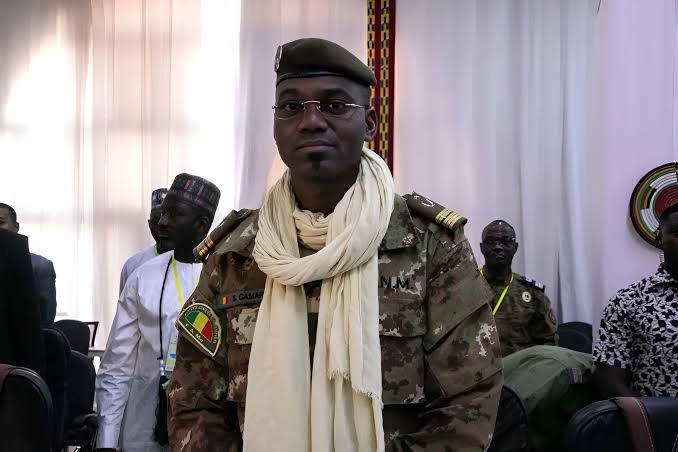
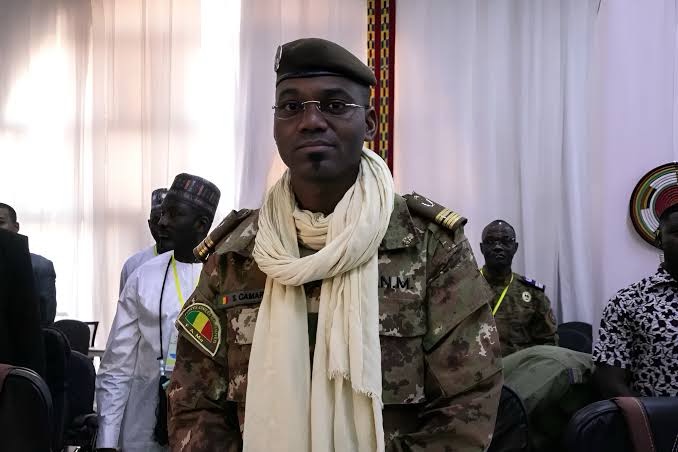
Mali has declared two days of national mourning following the killing of Defence Minister Sadio Camara in a suicide car bomb attack at his residence in Kati, a key military base town just outside Bamako.
According to official accounts, a vehicle loaded with explosives rammed into his home, triggering a fierce exchange of gunfire. Camara was critically wounded during the attack and later died in hospital. The incident has sent shockwaves through the country’s political and security establishment.
The assassination did not occur in isolation. It formed part of a wider wave of coordinated assaults across Mali, targeting military positions in Kati, Bamako, Gao, and Mopti. The attacks have been claimed by Jama’at Nusrat al-Islam wal-Muslimin, often referred to as JNIM, alongside allied Tuareg-led fighters. Analysts describe the offensive as one of the most significant in recent years, both in scale and coordination.
Camara was a central figure in Mali’s current military leadership, having played a key role since the coups of 2020 and 2021. Widely regarded as one of the most influential figures within the ruling junta, his presence shaped defence strategy and internal power dynamics. His death therefore represents not only a personal loss but a major disruption to the country’s leadership structure.
The implications are immediate and serious. First, it exposes vulnerabilities within what is considered one of the most secure military zones in the country. An attack of this nature in Kati raises concerns about intelligence gaps and the ability of security forces to protect high-profile targets.
Second, it places renewed pressure on the government’s promise to restore stability. Mali has faced years of insurgency, with armed groups expanding their reach despite ongoing military efforts. The scale of the latest attacks suggests that these groups retain both capacity and coordination.
There is also a political dimension. The ruling military authorities have justified their continued hold on power largely on the basis of improving national security. The killing of such a high-ranking official may weaken public confidence and intensify scrutiny of that claim.
As the country enters a period of mourning, attention will turn to how the leadership responds. Beyond immediate security measures, there will be questions about strategy, intelligence reform, and the broader direction of the fight against insurgency.
The death of Sadio Camara marks a turning point. It underscores the seriousness of Mali’s security challenges and raises a difficult question: can the current leadership regain control and restore confidence, or does this moment signal a deeper crisis in the country’s fight for stability?