Across many African societies, dance is more than entertainment. It carries history, identity, spirituality, and communal memory. In Sudan, one of the most recognised traditional performances is the Kambala dance, a vibrant cultural expression closely associated with the Nuba people of the country’s southern regions.
Known for its energetic movements, rhythmic drumming, and colourful displays, the Kambala dance remains an important symbol of heritage and communal pride.
Origins of the Kambala Dance
The Kambala dance originates from the Nuba Mountains region in southern Sudan, an area known for its rich ethnic and cultural diversity. Among the Nuba communities, dance plays a major role in social and ceremonial life, particularly during harvest festivals, wrestling competitions, and communal celebrations.
Traditionally, Kambala performances are linked to agricultural success and physical strength. The dance is often performed after successful harvests or during important gatherings where communities come together to celebrate collective achievement.
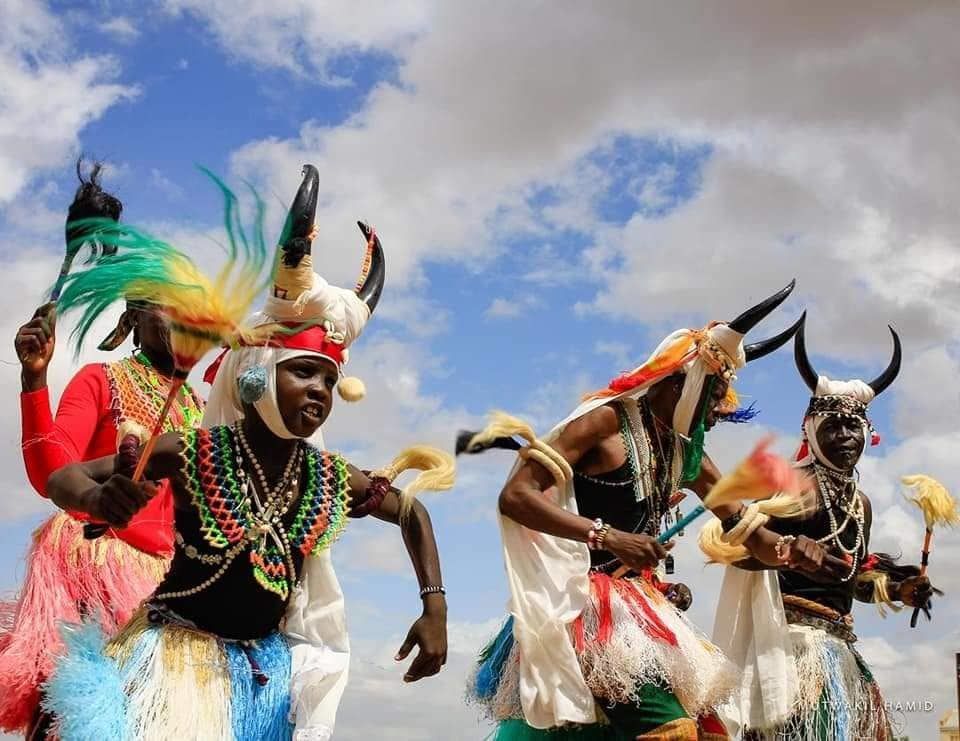
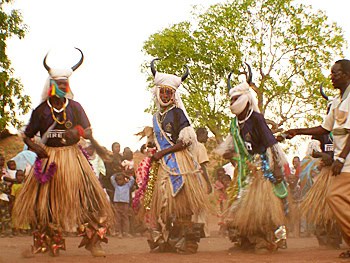
One of the most striking features of the Kambala dance is its physical intensity. Male dancers move in strong rhythmic patterns, often imitating the movements of bulls or warriors. The performance usually involves stamping feet, rapid body motion, coordinated group formations, and dramatic gestures.
The dancers commonly wear decorated costumes made from animal skins, beads, feathers, and colourful fabrics. Horn-like headpieces are also frequently used, reinforcing themes of power, masculinity, and courage.
Music is central to the performance. Large traditional drums create deep rhythms that guide the dancers’ movements and energise the crowd. Singing and chanting from spectators often accompany the dance, transforming the event into a communal experience rather than a performance observed from a distance.
Cultural Importance in Sudan
For many Nuba communities, Kambala represents unity, identity, and continuity. It serves as a way of preserving cultural traditions across generations, especially in a country that has experienced prolonged political conflict and social disruption.
The dance also reflects the strong connection between African cultural expression and everyday life. In many traditional societies, art is not separated from community activities. Music and dance are woven into agriculture, rites of passage, spirituality, and social organisation.
Global Recognition and Cultural Preservation
In recent years, Sudanese cultural performances, including Kambala, have gained wider international attention through festivals, documentaries, and social media platforms. Cultural advocates see this visibility as important for preserving traditions that may face pressure from conflict, migration, and globalisation.
At the same time, many Africans argue that indigenous cultural expressions deserve greater documentation and institutional support. Traditional dances like Kambala are not relics of the past. They are living archives of African history and identity.
The Kambala dance represents more than movement and spectacle. It expresses resilience, communal belonging, and cultural pride. In every drumbeat and coordinated movement lies a story about heritage, survival, and the enduring spirit of African tradition.
As Africa continues to modernise, preserving cultural expressions such as Kambala becomes increasingly important, not only for Sudan but for the continent’s wider historical memory.