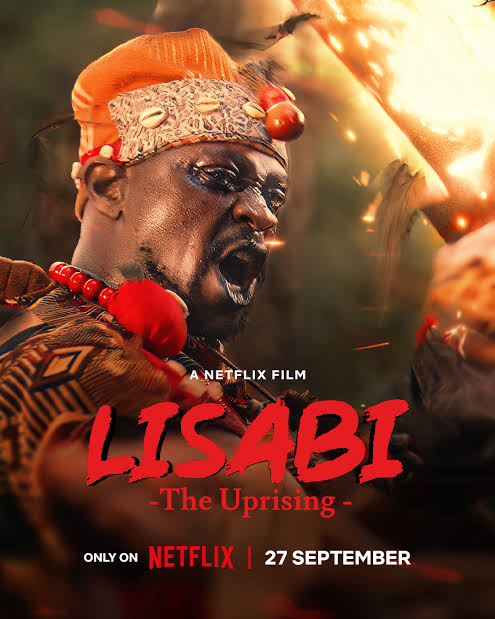
The success of Lisabi at the Africa Magic Viewers’ Choice Awards has once again drawn attention to the growing strength of indigenous storytelling in African cinema. Winning the award for Best Indigenous Language Film (West Africa), the film stands out not only for its production quality but also for its cultural and historical significance.
The Story Behind
Lisabi
The film is based on the legendary Yoruba figure Lisabi Agbongbo Akala, a historic warrior and resistance leader from Abeokuta in present-day Nigeria. Lisabi is remembered for leading the Egba people in their resistance against oppression during the eighteenth century.
Rather than presenting history as distant or abstract, the film brings Yoruba heritage to life through language, costume, setting, and performance. It introduces audiences to an important chapter of precolonial African history that is often overlooked in mainstream cinema.
Why the Film Matters
One of the most important aspects of Lisabi is its use of indigenous language as a primary medium of storytelling. In many African film industries, English and other colonial languages continue to dominate commercial productions. Films like Lisabi challenge this pattern by proving that local languages can still command wide audiences and critical recognition.
The award from the AMVCA therefore represents more than entertainment success. It signals increasing appreciation for African stories told in African languages, with cultural authenticity at the centre.
Production and Visual Appeal
The film has been widely praised for its cinematography, costume design, and attention to historical detail. From traditional attire to battle scenes and palace settings, the production attempts to recreate the atmosphere of Yoruba society during the period represented.
Its visual style combines historical drama with contemporary filmmaking techniques, making the story accessible to younger audiences while preserving cultural elements.
Indigenous Films and African Identity
The recognition of Lisabi reflects a wider shift in African cinema. More filmmakers are turning toward local histories, oral traditions, and indigenous languages as sources of storytelling. This movement is helping preserve cultural memory while also creating films that speak directly to African audiences.
Such productions also challenge long-standing stereotypes about African history by presenting Africans as active historical figures with political systems, resistance movements, and intellectual traditions long before colonial rule.
A Growing Future for Indigenous Cinema
The success of Lisabi suggests that indigenous-language films are gaining stronger acceptance within mainstream African entertainment. It also demonstrates that audiences are increasingly interested in stories rooted in culture and history rather than imitation of foreign models.
As African cinema continues to grow globally, films like Lisabi may become increasingly important in defining how Africa tells its own stories.
The larger question now is whether the film industry will continue investing in indigenous storytelling, or return to safer commercial formulas detached from local cultural identity.