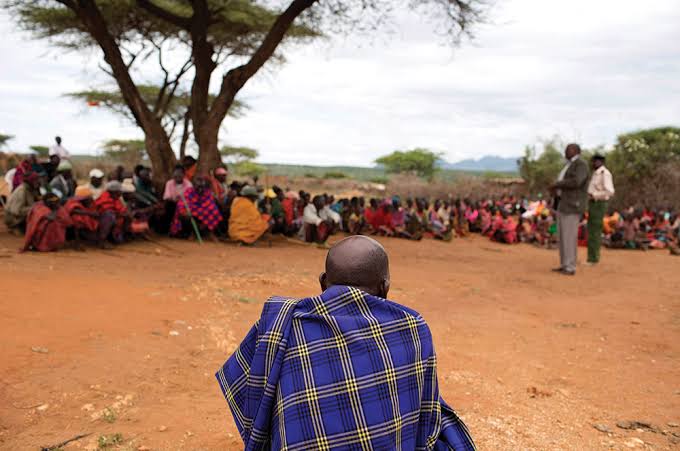
African proverbs are more than wise sayings. They are cultural archives passed down through generations, carrying lessons about community, leadership, morality, patience, and survival. Across the continent, proverbs remain part of daily communication, storytelling, and traditional education. They condense deep ideas into memorable expressions, often using imagery drawn from nature, animals, family, and communal life.
Here are ten important African proverbs that continue to speak to the heart of African society and thought.
1. “If you want to go fast, go alone. If you want to go far, go together.”
Origin: Commonly linked to African oral tradition
This proverb stresses the value of unity and collective effort. In many African cultures, success is rarely viewed as an individual pursuit alone. Community support, cooperation, and shared responsibility are considered essential for lasting progress.
2. “A child who is not embraced by the village will burn it down to feel its warmth.”
Origin: Often associated with African communal wisdom
The proverb speaks to the importance of belonging and care within society. It warns that neglecting young people can lead to anger, alienation, and destructive behaviour. The saying reflects Africa’s long-standing emphasis on communal upbringing.
3. “Wisdom is like a baobab tree. No one individual can embrace it.”
Origin: Ghana
The baobab tree, known for its massive size, symbolises knowledge and experience. This proverb teaches humility by reminding people that wisdom cannot belong to one person alone. Learning is collective and lifelong.
4. “Rain does not fall on one roof alone.”
Origin: Common in several African societies
This saying reminds people that hardship affects everyone. Whether dealing with economic difficulty, illness, or conflict, communities are encouraged to respond with empathy rather than selfishness.
5. “Until the lion tells his side of the story, the tale of the hunt will always glorify the hunter.”
Origin: Widely associated with African storytelling traditions
One of the most quoted African proverbs globally, this statement speaks about power and representation. It stresses the importance of Africans telling their own histories rather than depending solely on outside narratives.
6. “When there is no enemy within, the enemies outside cannot hurt you.”
Origin: African traditional wisdom
This proverb focuses on inner strength, discipline, and unity. It suggests that division, fear, and weakness from within often create greater danger than external opposition.
7. “The ruin of a nation begins in the homes of its people.”
Origin: Nigeria
This saying connects national progress to moral and social values within families and communities. It reflects the belief that societies are built from the character and discipline of ordinary people.
8. “No matter how long the night, the day is sure to come.”
Origin: Common across African oral traditions
A proverb of hope and endurance, this statement encourages perseverance during hardship. It reflects the belief that suffering is temporary and that renewal is always possible.
9. “He who learns, teaches.”
Origin: Ethiopia
Knowledge in many African societies is meant to be shared rather than hidden. This proverb values mentorship, communal learning, and the passing down of wisdom across generations.
10. “A river that forgets its source will dry up.”
Origin: African traditional wisdom
This proverb speaks to memory, heritage, and identity. It warns against abandoning one’s roots, culture, or history in the pursuit of modernity or external validation.
Why African Proverbs Still Matter
Even in today’s digital age, African proverbs remain relevant because they address enduring human concerns. They teach patience, responsibility, courage, unity, and moral discipline. They also preserve African ways of thinking that have survived through oral tradition for centuries.
More importantly, these proverbs reveal how African societies often place community above excessive individualism. They remind people that identity is connected to family, history, and collective well-being.
In many ways, African proverbs are not merely sayings from the past. They are living philosophies that continue to guide conversations about leadership, culture, justice, and human relationships across the continent and beyond.