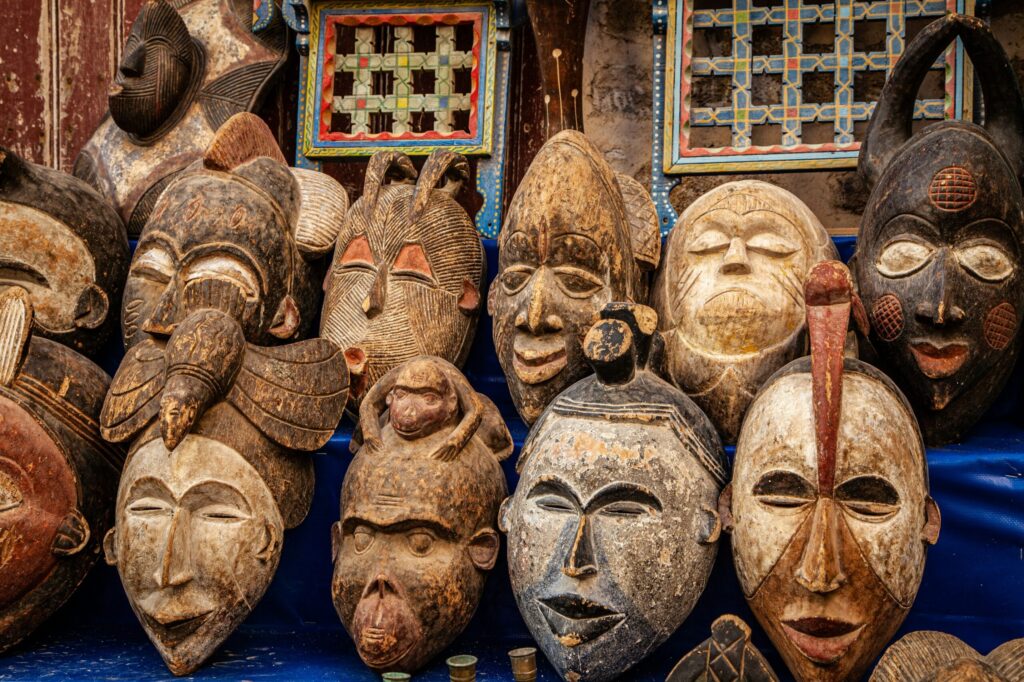
credit : commonreader
For centuries, African art was misunderstood by many Western scholars and collectors who dismissed it as “primitive” or unsophisticated. European colonial attitudes often viewed African societies through a narrow lens, ignoring the depth, symbolism, and technical brilliance embedded in African masks, sculptures, textiles, and carvings. Yet, what was once underestimated would later reshape the course of global art history.
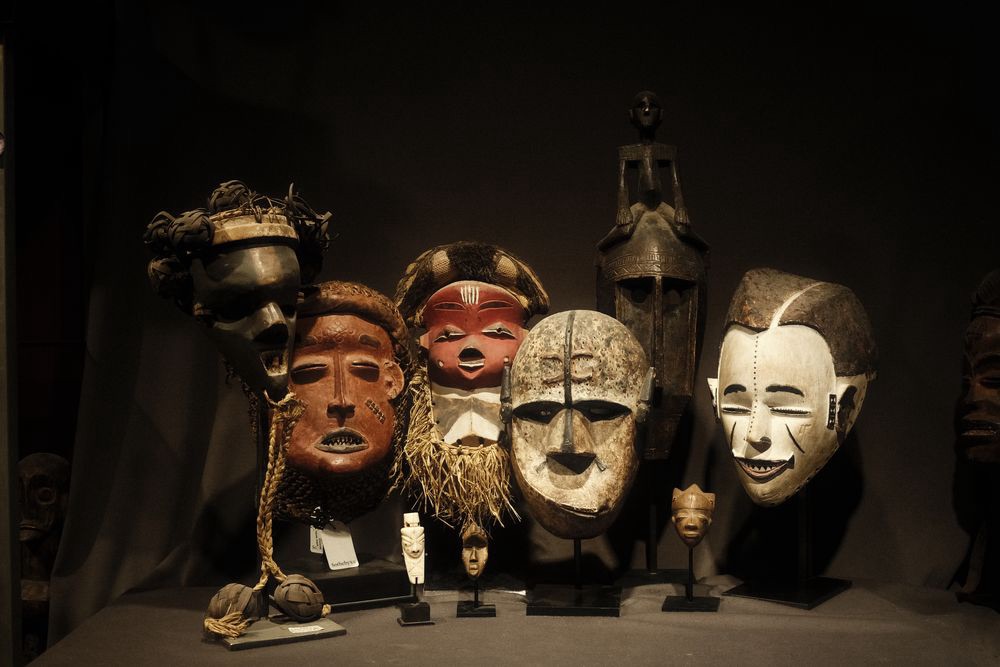
In the late nineteenth and early twentieth centuries, African artworks began arriving in Europe through colonial expeditions, trade, and museum collections. Artists in Europe encountered forms unlike the strict realism that dominated Western art at the time. African art emphasized abstraction, emotion, symbolism, spiritual meaning, and bold geometric forms. These qualities fascinated many modern artists who were searching for new ways to express reality beyond traditional European styles.
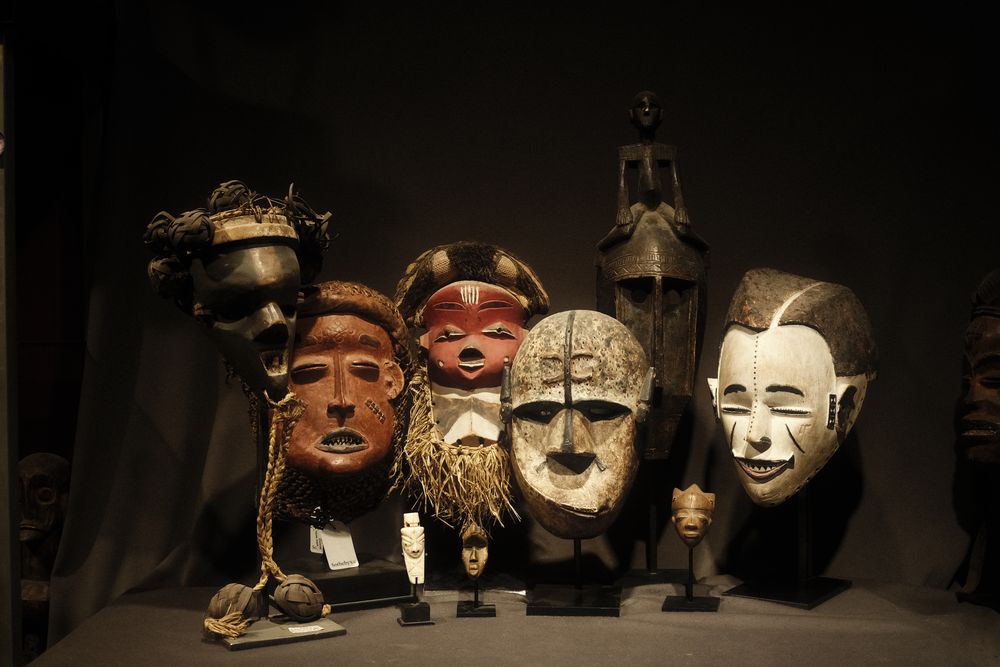
credit: buyafricanantiques
One of the most famous artists influenced by African art was Pablo Picasso. After seeing African masks and sculptures in Paris museums, Picasso became deeply inspired by their stylized features and expressive power. This influence can be clearly seen in his groundbreaking 1907 painting, Les Demoiselles d’Avignon, which helped launch the Cubist movement. Picasso was not alone. Artists such as Henri Matisse and Amedeo Modigliani also drew inspiration from African artistic traditions.
Ironically, while African art was helping to revolutionize modern European art, African artists themselves often received little recognition or credit. Over time, however, scholars, curators, and historians began challenging colonial narratives and highlighting the sophistication of African creativity. Today, African art is celebrated globally for its innovation, cultural richness, and historical importance.
From ancient Benin bronzes to contemporary Afrofuturist installations, African art continues to influence fashion, design, architecture, and global visual culture. What was once dismissed is now acknowledged as one of the most powerful creative forces in the history of art.