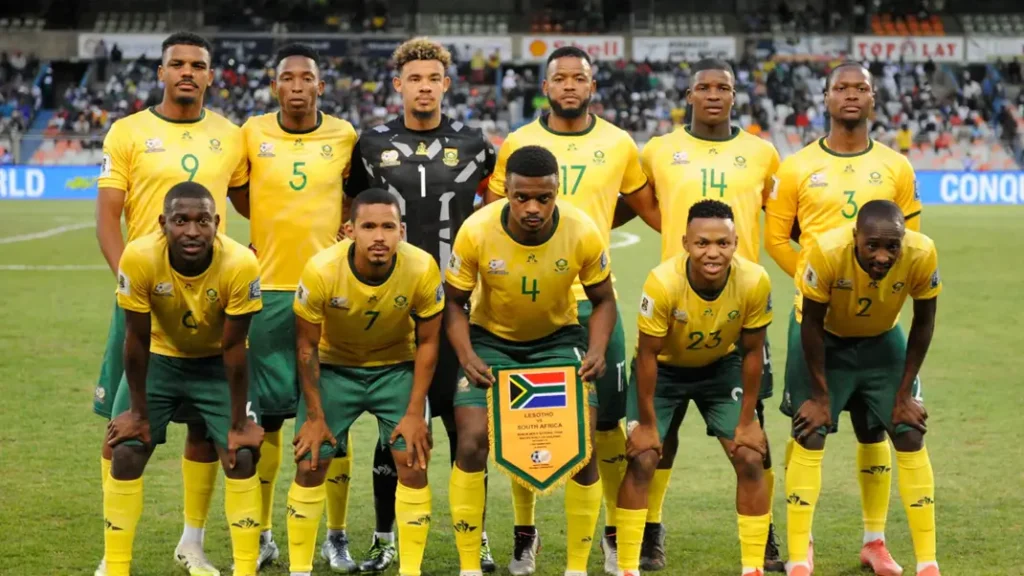
Football is often described as a universal language capable of bringing people together across borders, cultures, and histories. Yet there are moments when events beyond the pitch become impossible to ignore. Across parts of Africa, growing frustration over attacks on African migrants living in South Africa has begun to influence how some football fans view the country’s national teams.
As qualification campaigns and international tournaments draw attention, a noticeable sentiment has emerged on social media and in public discussions: some African football supporters are choosing to back South Africa’s opponents rather than South Africa itself.
The trend raises an important question. Should the actions of a segment of society affect support for a national football team?
Understanding the Source of the Frustration
For years, reports of violence, discrimination, and hostility directed at migrants from countries such as Nigeria, Zimbabwe, Mozambique, Ethiopia, and Somalia have generated concern across the continent. Images of looted businesses, displaced families, and deadly attacks have often sparked outrage far beyond South Africa’s borders.
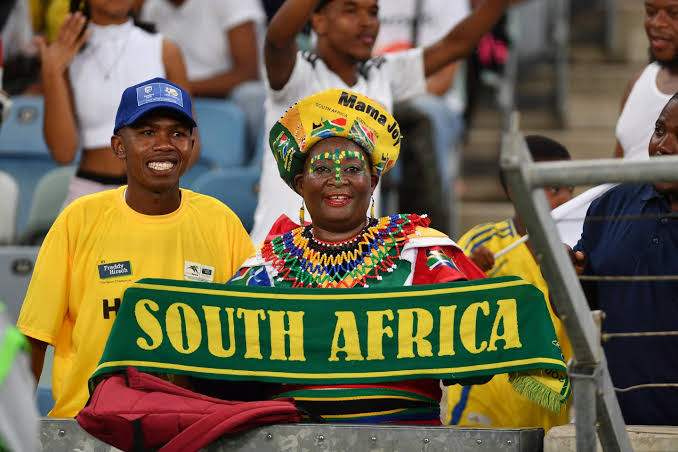
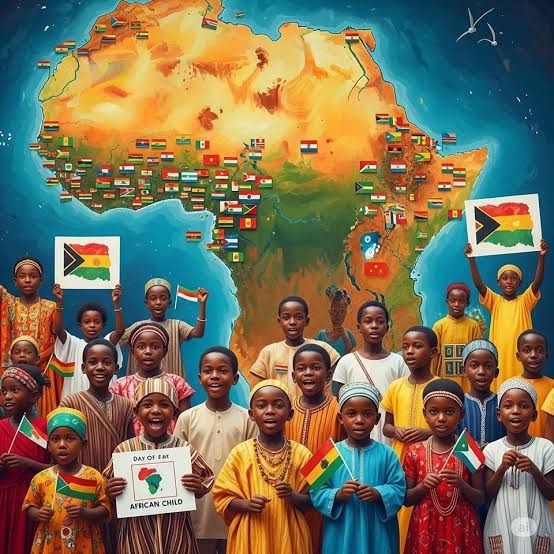
Many Africans view these incidents as particularly painful because South Africa benefited from solidarity across the continent during the struggle against apartheid. Countries across Africa provided diplomatic, financial, and moral support to anti-apartheid movements. As a result, some people feel that attacks on fellow Africans contradict the spirit of pan-African unity that helped South Africa achieve freedom.
For these critics, refusing to support South African teams becomes a symbolic form of protest.
Why Others Reject This View
Not everyone agrees with linking football to social and political tensions.
Many argue that it is unfair to hold footballers responsible for problems they neither created nor support. South Africa’s national teams are made up of athletes whose primary role is to represent their country in sport. They are not policymakers, law enforcement officials, or political leaders.
Critics of the boycott mentality also point out that many South Africans have openly condemned xenophobic violence. Civil society organizations, community groups, religious leaders, and ordinary citizens have repeatedly spoken out against attacks on migrants and worked to support affected communities.
From this perspective, treating all South Africans as though they share the same views risks creating new divisions rather than addressing existing ones.
Football as a Mirror of Society
Sport has never existed in complete isolation from society. Throughout history, football has reflected wider social issues, from racism and nationalism to political protest and calls for justice.
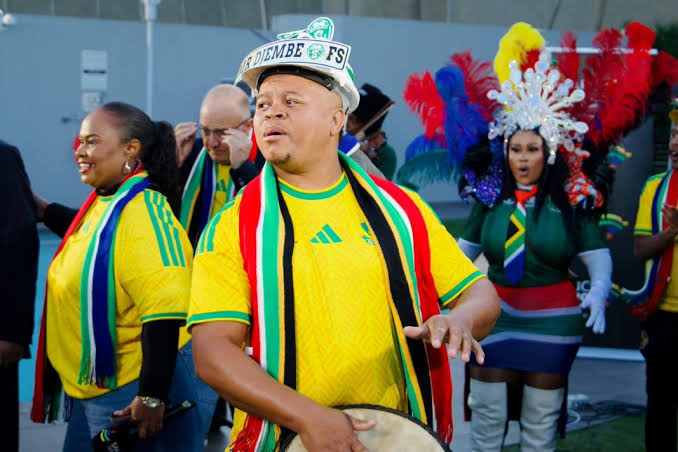
African fans who choose to support South Africa’s rivals are often expressing deeper concerns about belonging, identity, and continental solidarity. Their reactions reveal how strongly many people feel about the treatment of African migrants.
At the same time, turning sporting competition into a battleground for political grievances carries its own risks. It can deepen resentment and overshadow opportunities for dialogue and understanding.
A Test for Pan-Africanism
The debate touches on a larger issue: the meaning of African unity in the twenty-first century.
Pan-Africanism has long promoted the idea that Africans share common interests and responsibilities despite national boundaries. Yet recurring tensions surrounding migration, employment, and economic competition continue to test that ideal.
The anger directed at South Africa’s teams is therefore not simply about football. It reflects broader questions about whether Africans genuinely see one another as partners in a shared future.
Beyond the Rivalry
Football rivalries are part of what makes the sport exciting. Fans will always cheer passionately for their teams and celebrate victories over traditional opponents. However, the current debate surrounding South Africa points to issues that run much deeper than the final score.
The challenge for Africa is not merely deciding which team to support. It is finding ways to address the grievances that fuel these tensions while preserving the spirit of solidarity that has long connected the continent.
As the next major football tournaments approach, many supporters will continue to make their choices from the stands and on social media. Yet the more important contest may be the one taking place off the pitch: the effort to build a continent where every African can feel safe, respected, and welcome, regardless of where they choose to live.