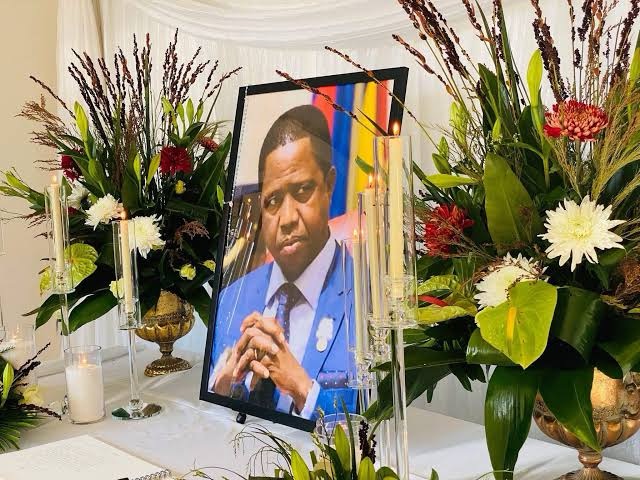
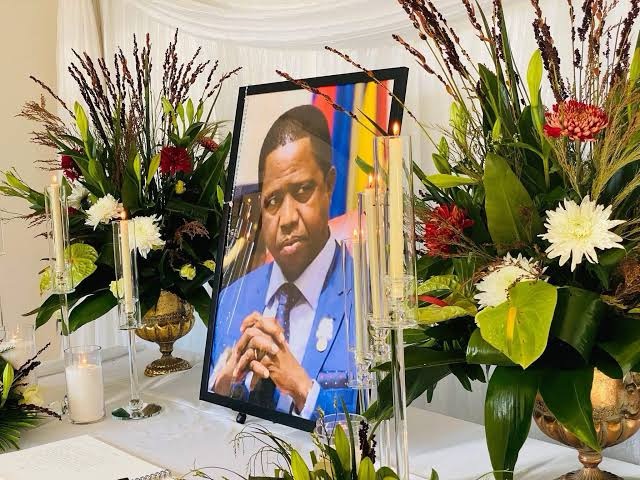
The unresolved burial of former Zambian leader Edgar Lungu has become one of the most unusual and sensitive national issues in recent memory. Nearly eleven months after his death in 2025, his remains are still in a mortuary in South Africa, with no final agreement on burial arrangements.
At the centre of the delay are disagreements between the late president’s family and the Zambian government. Reports indicate that tensions emerged over how the burial should be conducted, including the level of state involvement, funeral protocols, and the final resting place. While the government has maintained that a former head of state deserves a full state burial, members of the family have expressed reservations about certain official arrangements.
This situation has created a prolonged impasse. In Zambia, the burial of a former president is not only a private matter but also a national event tied to history, identity, and collective memory. The inability to reach a resolution has therefore drawn public attention and concern.
The location of the remains has further deepened the issue. Keeping the body in South Africa rather than returning it promptly to Zambia has raised questions about coordination and urgency. For many citizens, the delay challenges cultural expectations, where timely burial is seen as a sign of respect.
Beyond the immediate dispute, the case points to broader institutional gaps. It highlights the absence of clear frameworks for handling the passing of former leaders, especially when family wishes and state interests do not align. Without such structures, decisions can become prolonged and contested.
There are also political undertones. As a former president, Edgar Lungu remains a significant figure in the country’s recent history. Any disagreement involving his legacy inevitably carries political weight, which may complicate efforts to find common ground.
Efforts to resolve the situation have continued through dialogue, but progress has been slow. Observers note that a balanced approach is needed, one that respects the family’s position while recognising the national significance of the burial.
The ongoing delay has turned what should have been a moment of closure into a prolonged national conversation. It serves as a reminder of the importance of clear policy, mutual respect, and careful planning in managing state ceremonies.
As the situation unfolds, the key question remains unresolved: how can Zambia bring this matter to a close in a way that honours both personal wishes and national dignity?