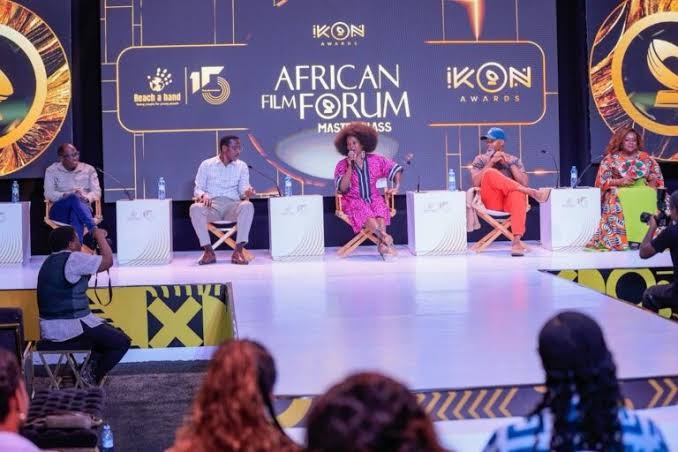
African cinema is gaining renewed global attention, and indigenous languages are at the centre of this transformation. From Yoruba films in Nigeria to Kiswahili productions in East Africa, filmmakers are increasingly embracing local-language storytelling to preserve culture, strengthen identity, and redefine how African stories are told.
Credit: exclusive bizz
For many years, African filmmakers relied heavily on English, French, and Portuguese to attract international audiences. Today, however, directors and producers are proving that authentic storytelling does not require abandoning native languages. Audiences across the world are now more willing to watch subtitled films, especially when the stories are emotionally powerful and culturally grounded.
In Nigeria, Yoruba-language films have expanded beyond local markets and are now appearing on global streaming platforms. These films often incorporate traditional beliefs, proverbs, oral histories, and family values that resonate strongly with viewers. Similarly, Kiswahili films and television productions are gaining popularity across East Africa and beyond, presenting stories rooted in everyday African experiences.
Credit: exclusive bizz
Filmmakers argue that language is more than communication. It carries memory, identity, humour, and cultural wisdom. Indigenous-language cinema therefore serves as a means of preserving traditions that could gradually disappear under the pressure of globalisation. Younger generations are also reconnecting with their heritage through films spoken in their native tongues.
Streaming platforms such as Netflix and Showmax have contributed significantly to this growth by making African-language films accessible to global audiences. Subtitles have reduced language barriers, allowing viewers from different parts of the world to appreciate African stories without losing their cultural essence.
This growing recognition marks a new chapter for African cinema. Indigenous-language films are no longer viewed as limited to local audiences. Instead, they are becoming symbols of cultural pride, artistic originality, and global relevance. From Yoruba to Kiswahili, African filmmakers are demonstrating that local stories told in native languages can speak powerfully to the world.